
 Emma Jantzen
 Bayou Life: Exploring Wildlife, Cuisine, Culture, and Conservation
Bayou life blends slow-moving water, rich biodiversity, and a culture shaped by water and weather.
These winding waterways and marshes support unique ecosystems and communities whose traditions, food, and livelihoods are intertwined with the wetlands that surround them.
The landscape
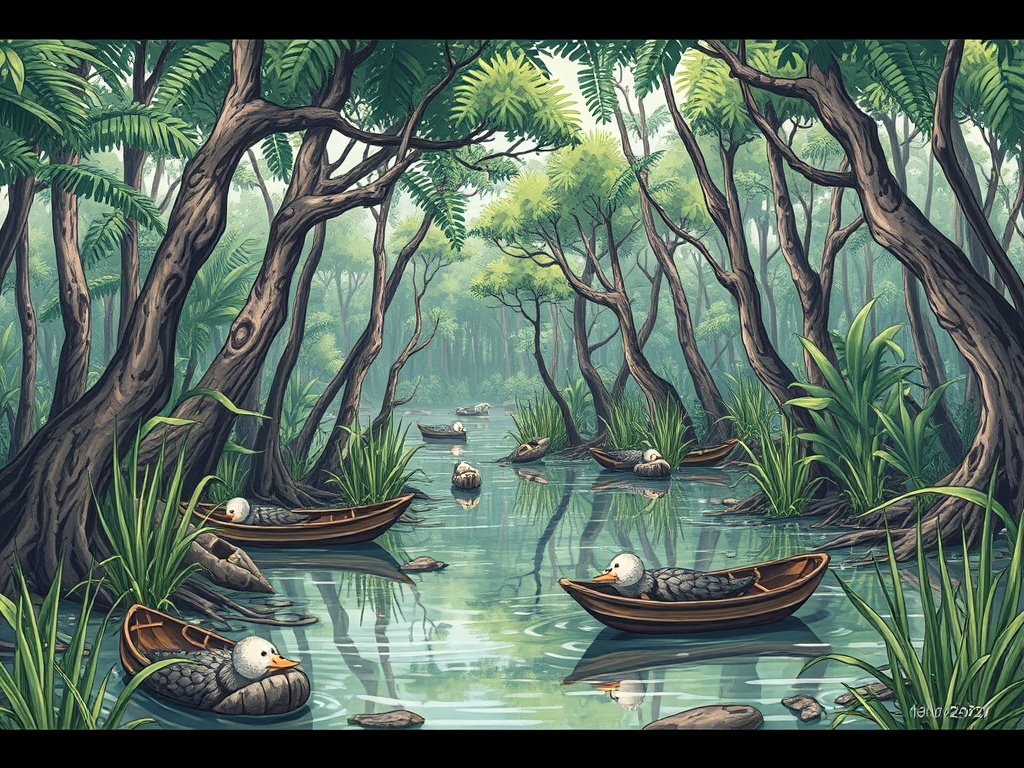
Bayous are often shallow, slow-flowing channels threaded through marshes and cypress-tupelo swamps. Vegetation like Spanish moss, bald cypress, and sawgrass creates a layered habitat that supports fish, crustaceans, turtles, wading birds, and larger predators such as alligators. Seasonal water levels and tidal influence produce a dynamic environment where islands of vegetation shift, and mudflats emerge and disappear — a landscape that rewards patience and careful observation.
Culture and cuisine
People who live along the bayou carry generational knowledge about fishing, hunting, boat handling, and weather patterns. Culinary traditions are a highlight: gumbo, jambalaya, blackened fish, and crawfish boils showcase flavors built around local seafood, rice, and bold seasonings. Community gatherings often center on food and the rhythms of the water — harvest, spawning seasons, and festivals tied to the cycle of the bayou.
Wildlife watching and recreation
Bayou corridors are excellent for birdwatching, kayaking, and low-impact fishing. Early mornings and late afternoons are prime times to see herons, egrets, ibises, and migratory songbirds. Kayaking or canoeing is a quiet way to glide through cypress stumps and lily pads, offering close encounters with wildlife while minimizing disturbance. For anglers, species such as bass, redfish, and catfish provide a mix of sport and sustenance.
Conservation challenges
Bayou habitats face pressures from coastal erosion, development, water pollution, and invasive species. Wetlands act as natural buffers against storm surge and play an important role in nutrient cycling and carbon storage. Restoration efforts often focus on re-establishing natural freshwater flows, rebuilding marshes with native plants, and controlling invasive rodents that damage marsh vegetation. Supporting local conservation organizations and community-led restoration projects helps protect both the ecosystem and the livelihoods dependent on it.
Responsible visiting
Respect for the environment and local communities is essential. Follow these practical tips:
– Choose guided tours run by local operators to support the community and benefit from local knowledge.
– Practice Leave No Trace: pack out trash, avoid disturbing nests or den sites, and stay on established boat channels.
– Keep a safe distance from wildlife; alligators and nesting birds can be sensitive to disturbance.
– Prepare for insects and sun exposure; bring repellent, sun protection, and plenty of water.
– Check local regulations for fishing seasons, permits, and harvest limits before removing seafood.
Economy and resilience
Many bayou communities balance traditional livelihoods with tourism and small-scale aquaculture.
Investing in sustainable fisheries, ecotourism, and habitat restoration helps create jobs while preserving cultural identity. Community resilience is often tied to maintaining both natural systems and social networks that pass knowledge between generations.
The appeal of bayou life lies in its slow rhythms, tactile landscapes, and food and music born from a close relationship with water. For visitors and residents alike, stewardship — informed by local traditions and modern conservation science — ensures these rich waterways remain productive and vibrant for the long term.