
 Emma Jantzen
 Bayou Life: Wildlife, Cajun Culture, Paddling Tips & Conservation
Bayou life is a sensory-rich world where water shapes everything — the landscape, the food, the music, and the pace of everyday living.
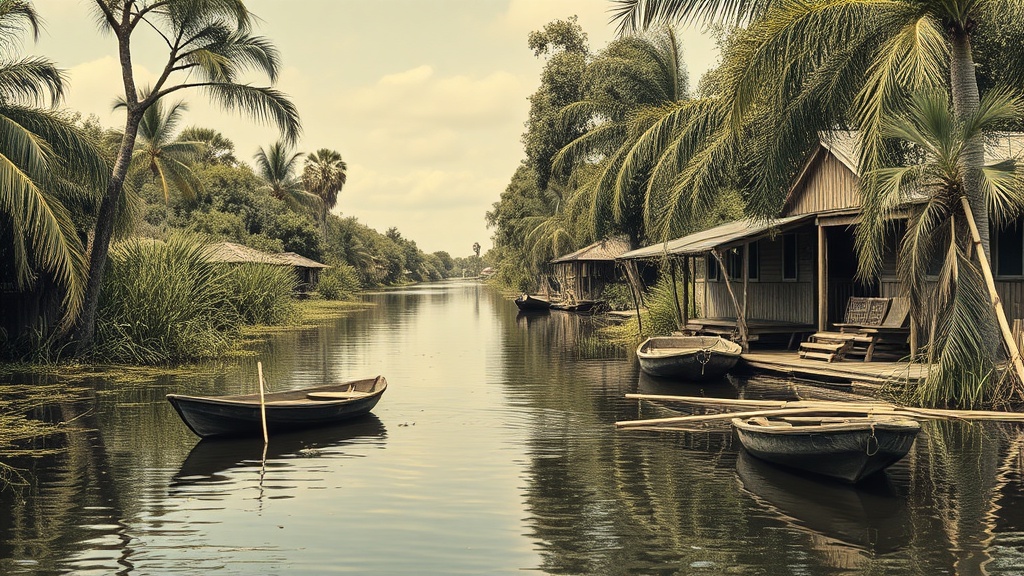
Rooted in wetland ecosystems, bayous are slow-moving waterways threaded through marshes, cypress forests, and reed beds. They offer a unique blend of wildlife, culture, and livelihood that rewards visitors and locals who come with curiosity and respect.
Landscape and wildlife
Bayous are biodiversity hotspots. Spanish moss-draped cypress swamps provide nesting sites for herons, egrets, and secretive owls. Alligators sun on muddy banks while otters slide through back channels. Fish species, from bass to mullet, navigate the tannin-stained water, and amphibians chorus loudest during the wet season. Birdwatchers and photographers can find striking species year-round, but light and insect activity vary with the wet/dry cycle, shaping daily rhythms on the water.
Cultural rhythms
Communities around the bayou blend Native, French, African, and Caribbean influences into what many call Cajun and Creole culture. French patois phrases linger in conversation, and music — fiddles, accordions, and syncopated vocals — often drifts from front porches.
Food traditions are central: shrimping, crabbing, and crawfish harvesting are not just livelihoods but social glue.
A communal boil or seafood feast brings neighbors together, and recipes handed down through generations highlight simple ingredients elevated by technique and spice.
Working the water
Fishing, shrimping, and trapping are time-honored bayou professions. Skill here is practical and local: reading tides, knowing hidden channels, and timing the harvest with lunar and weather cycles.
Small commercial operations coexist with recreational anglers and foragers; responsible practices such as size limits, seasonal closures, and selective gear help protect populations and ensure future catches.
Recreation and low-impact travel
Paddling is one of the best ways to experience bayou life up close.
Kayaks and canoes ease through narrow sloughs, letting paddlers glide quietly past wildlife without disturbing nesting birds. Guided swamp tours offer safe introductions and local storytelling, while self-guided trips suit more experienced paddlers comfortable with navigation and changing conditions.
Pack insect repellent, polarized sunglasses for deeper water visibility, and a waterproof bag for essentials.
Conservation and resilience
Bayous face pressures from development, pollution, invasive species, and changing water regimes.
Wetland restoration, marsh creation, and living shoreline projects aim to rebuild lost habitat and buffer inland communities from storms. Local stewardship groups often lead monitoring, cleanups, and educational programs that welcome volunteers. Supporting sustainable seafood and choosing low-impact tours are simple ways to contribute to the bayou’s future.
Practical tips for visitors
– Respect private property and local customs; many access points and boat launches are community-managed.
– Observe wildlife from a distance; never feed or approach alligators or nesting birds.
– Wear quick-dry clothing and sturdy shoes; mosquitoes can be active during warm, wet periods, so plan accordingly.
– Bring binoculars and a field guide or app for identifying birds and plants.
– Try local cuisine in small family-run eateries to taste authentic recipes and support local economies.
Bayou life is an invitation to slow down and listen. Whether drawn by the call of a heron at dawn, the scent of a spice-laden seafood boil, or the rhythm of a roadside fiddle, visitors who come with respect for the land and its people will leave with vivid memories and a deeper appreciation for this living, watery landscape.