
 Emma Jantzen
 Bayou Life: Your Guide to Wildlife, Cajun Culture, and Responsible Visits
Bayou Life: Slow Rhythms, Rich Wildlife, and Practical Tips for Visitors
Bayou life blends an unmistakable hush of water and moss with a vibrant human culture rooted in fishing, food, and music. For anyone drawn to wetlands, kayaking through cypress knees, listening for frogs at dusk, or tasting a bowl of gumbo right where the shrimp were pulled, the bayou offers an immersive experience that’s equal parts wild and welcoming.
What makes the bayou special
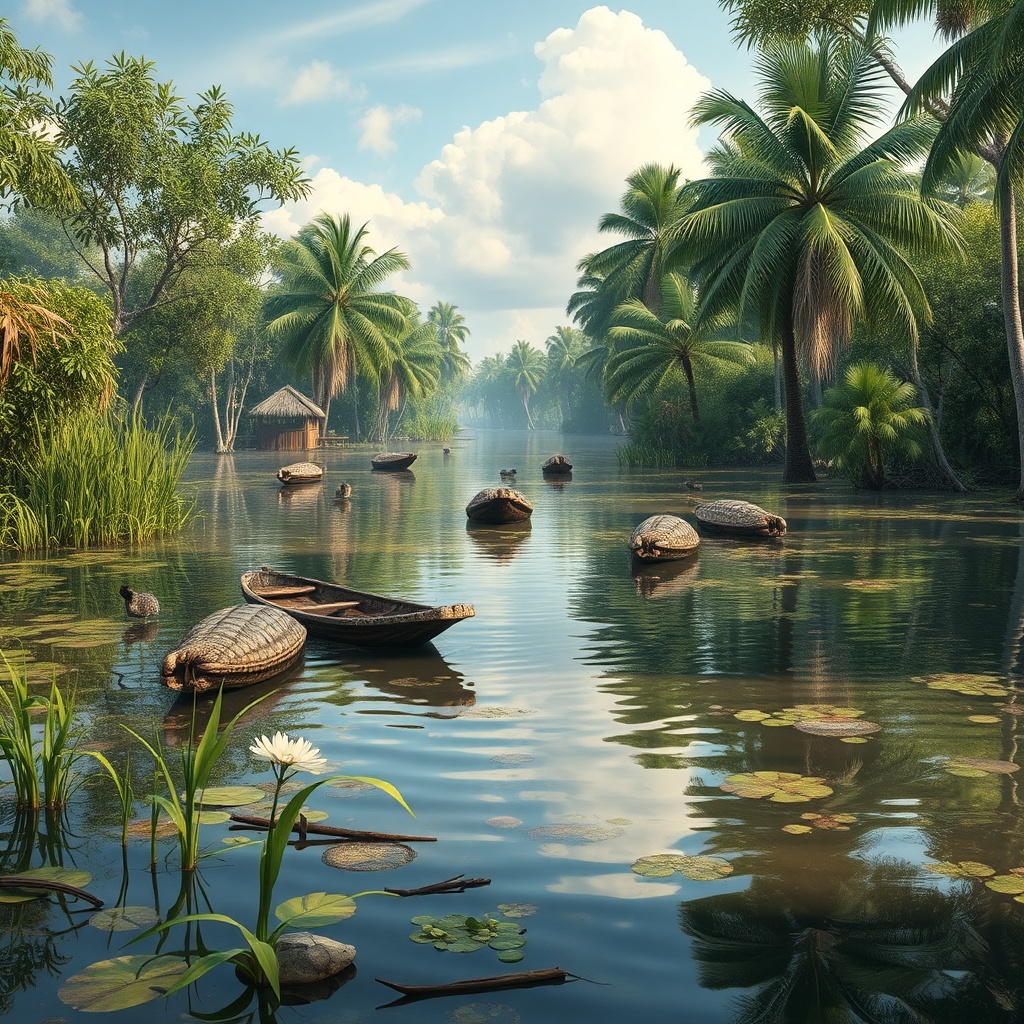
The bayou is a living wetland where water, trees, and tidal influence come together to create complex habitats. Bald cypress and tupelo trees draped in Spanish moss give these waterways their iconic look, while shallow marshes and back channels teem with life. Birdwatchers will spot herons, egrets, and migratory songbirds; anglers target bass, catfish, and redfish; and the reptile world is represented by turtles, water snakes, and the occasional alligator.
Culture and cuisine
Human communities around the bayou have long lived off the water. Cajun and Creole traditions shape language, cuisine, and celebrations: think late-night music on a front porch, a crawfish boil where shells fly and laughter fills the air, and recipes passed down through families. Seafood remains central to local diets and economies—shrimping, crabbing, and oystering are both livelihood and heritage. Sampling a bowl of gumbo or a plate of jambalaya provides a direct taste of bayou life.
Activities and how to experience the bayou responsibly
– Kayaking and canoeing: Quiet paddling is the best way to approach wildlife without disturbing it. Stay in marked channels and avoid pushing through fragile marsh vegetation.
– Guided boat tours: Local guides share stories about ecology and culture while minimizing impact—supporting their businesses helps sustain community conservation efforts.
– Fishing and crabbing: Follow local regulations and reporting rules. Catch-and-release practices help maintain healthy populations when appropriate.
– Birdwatching and photography: Early morning and dusk are prime windows. Use a telephoto lens or binoculars rather than approaching nests or roosts.
Safety and packing checklist
– Insect repellent and head net: Mosquito pressure can be high; a head net is invaluable for quiet, focused photography.
– Sun protection and hydration: Even shaded waterways reflect sunlight—wide-brim hats and SPF are essential.
– Waterproof gear and dry bags: Electronics and maps should be protected.
– Awareness around wildlife: Observe alligators from a distance, never feed wildlife, and secure food in campsites and boats.
– Check local access rules: Some shorelines are private or seasonally restricted.
Conservation and stewardship
The bayou faces pressures from coastal erosion, habitat fragmentation, invasive species, and pollution. Supporting local restoration projects, buying from seafooders who follow sustainable practices, and choosing low-impact recreation help protect these wetlands.
Simple actions—packing out trash, avoiding fuel spills, and sticking to established boat channels—protect fragile vegetation and nursery grounds for fish and crustaceans.
Why bayou life matters
Beyond its ecological value, the bayou carries cultural memory and economic importance. Wetlands buffer storms, filter water, and support fisheries that feed communities far beyond the shoreline. Experiences in the bayou—whether a quiet paddle at dawn or a lively seafood feast—create connection and stewardship. Visiting with curiosity and respect ensures these waterways remain vibrant for the people and wildlife that depend on them.
For those planning a visit, choose a local outfitter, pack carefully, and leave the place better than it was found. Bayou life rewards slow observation and thoughtful care; those who come ready to listen and learn will leave with richer stories and a deeper appreciation for wetland landscapes.
0 Comment