
 Emma Jantzen
 Cajun Cooking Essentials: Holy Trinity, Roux & One-Pot Recipes
Cajun cooking is a vibrant, bold culinary tradition built for hearty home kitchens.
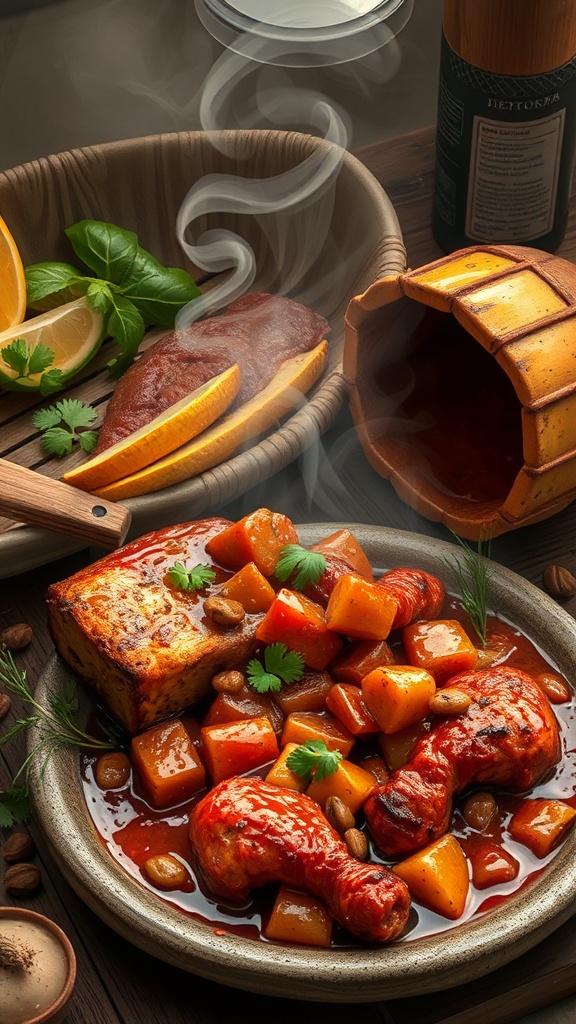
Rooted in resourcefulness and big flavors, it thrives on simple techniques, a few cornerstone ingredients, and a confident hand with heat and seasoning. Whether you’re a weekend cook or a seasoned home chef, learning a few Cajun fundamentals unlocks a world of satisfying one-pot meals and soulful comfort food.
Core ingredients and techniques
– The Holy Trinity: onion, green bell pepper, and celery form the aromatic backbone of most Cajun dishes. Dice them uniformly and sweat gently to release flavor without browning.
– Roux: a cooked blend of fat and flour used to thicken and flavor stews. Start with equal parts fat (oil, butter, or bacon drippings) and flour, cooking over medium-low heat. A light roux thickens more and tastes milder; a dark roux delivers deep, nutty complexity but less thickening power. Stir constantly and watch closely—burning ruins the flavor.
– Seasoning: cayenne, smoked paprika, black pepper, dried thyme, oregano, and bay leaves are staples. A good Creole or Cajun seasoning blend simplifies things, but adjust heat to taste.
– Cast iron and one-pot cooking: heavy-bottomed pans distribute heat evenly and build fond—those browned bits that add savory depth after deglazing.
Signature dishes to try
– Gumbo: a slow-simmered stew usually featuring roux, the trinity, and proteins like chicken, sausage, or shrimp.
Okra or filé powder (dried and ground sassafras leaves) are traditional thickeners—add filé at the end to preserve its texture and flavor.
– Jambalaya: a rice-based skillet meal that’s a complete dinner in one pot.
Brown meat first to develop flavor, then add rice and liquid; avoid stirring once rice is cooking to keep it from getting gummy.
– Étouffée: typically made with shellfish such as crawfish or shrimp, served over rice and built on a blond or peanut-butter-colored roux for a silky sauce.
– Boudin and red beans and rice: excellent examples of how rustic, economical cooking becomes iconic through seasoning and technique.
Practical tips for home cooks
– Control heat: many Cajun steps call for medium to high heat, but temper it for roux and aromatics where lower temperatures prevent bitterness.
– Layer flavor: brown proteins, build a roux, sweat the trinity, deglaze, and simmer. Each step creates complexity.
– Use fresh seafood safely: buy from reputable sources, rinse shellfish briefly, and cook until opaque. Store cooked and raw seafood separately and refrigerate promptly.
– Make ahead and freeze: gumbo and jambalaya often benefit from a day in the fridge.
Freeze portions for quick meals—most freeze well if cooled and stored properly.
– Adjust for dietary needs: substitute brown rice or cauliflower rice for lower-carb options; use vegetable stock and smoked tempeh for vegetarian variations that keep smoky depth.
Sourcing and sustainability
Look for locally sourced seafood and responsibly raised meats when possible.
Seasonal produce elevates finished dishes—fresh okra, tomatoes, and peppers make a noticeable difference. Support local purveyors for fresher ingredients and reduced environmental impact.
Experimentation is welcomed
Cajun cooking rewards improvisation. Start with a favorite dish, respect the building blocks—the trinity, roux, seasoning—and then adapt proteins, heat level, and textures.
With a few pots, a cast-iron skillet, and a willingness to taste as you go, you’ll capture the soulful, robust flavors that make Cajun cuisine beloved in kitchens everywhere. Try a modest gumbo or skillet jambalaya this week and build from there.