
 Emma Jantzen
 Cajun Cooking Essentials: One-Pot Meals, Roux Mastery & Holy Trinity Tips
Cajun cooking is all about bold flavor, simple techniques, and the smart use of humble ingredients. Rooted in a pantry-first approach, it turns rice, onions, bell peppers, and a handful of spices into memorable one-pot meals that are ideal for weeknight dinners or feeding a crowd.
Here’s a concise guide to the essentials, signature dishes, and practical tips to bring authentic Cajun flavor into your kitchen.
Foundations: The Holy Trinity and Roux
Every Cajun cook relies on two foundational elements. The “holy trinity” — onions, bell peppers (usually green), and celery — forms the aromatic base for soups, stews, and rice dishes. Dice these vegetables uniformly for even cooking and flavor distribution.
A good roux is the backbone of many Cajun dishes.
Made by slowly cooking equal parts fat (butter, oil, or bacon drippings) and flour, the roux deepens in color and flavor as it cooks. Light roux works well for gumbo meant to be lighter in body, while a medium to dark roux yields nutty, robust notes. Patience is key: cook over moderate heat and stir frequently to prevent burning.
Signature Dishes
– Gumbo: A flexible stew threaded with chicken, sausage, seafood, or a combination. Build layers: brown your proteins, sauté the holy trinity, add roux, then stock. Season with bay leaves, thyme, and cayenne. Finish with file powder or parsley for texture and aroma.
– Jambalaya: A one-pot rice dish in two main styles — “Creole” tends to include tomatoes, while the more rustic Cajun version skips them and relies on browned meat and stock to flavor the rice. Start by browning meats and creating a flavorful fond; then add rice and stock and simmer until tender.
– Étouffée: Typically made with shellfish like shrimp or crawfish, this is a thick, silky stew served over rice.
The name means “smothered,” reflecting the gentle simmering method that concentrates flavor without heavy spice.
– Boudin and Andouille: Sausage is central to Cajun cooking. Andouille adds smoky, spiced depth to stews and gumbo; boudin — a rice-and-meat sausage — showcases nose-to-tail cooking and resourcefulness.
Seasoning and Heat
Cajun food balances heat and flavor. Key seasonings include cayenne, paprika, garlic powder, onion powder, black pepper, and thyme. A small amount of hot sauce or a few shakes of cayenne can lift a dish without overwhelming it. Taste as you go and adjust in layers rather than adding all seasoning at the end.
Techniques and Tips for Home Cooks
– Browning builds flavor: Brown meats and let fond develop on the pan; deglaze with stock or wine to capture those caramelized bits.
– Control the roux: Keep heat moderate and stir constantly.
If it smells burnt, start over—burnt roux will ruin the dish.
– Layer salt gradually: Stock, sausage, and seafood can be salty; add salt toward the end once components are combined.
– Use fresh shellfish wisely: Cook shellfish briefly to avoid toughness. If using frozen seafood, thaw in the refrigerator and pat dry to prevent wateriness.
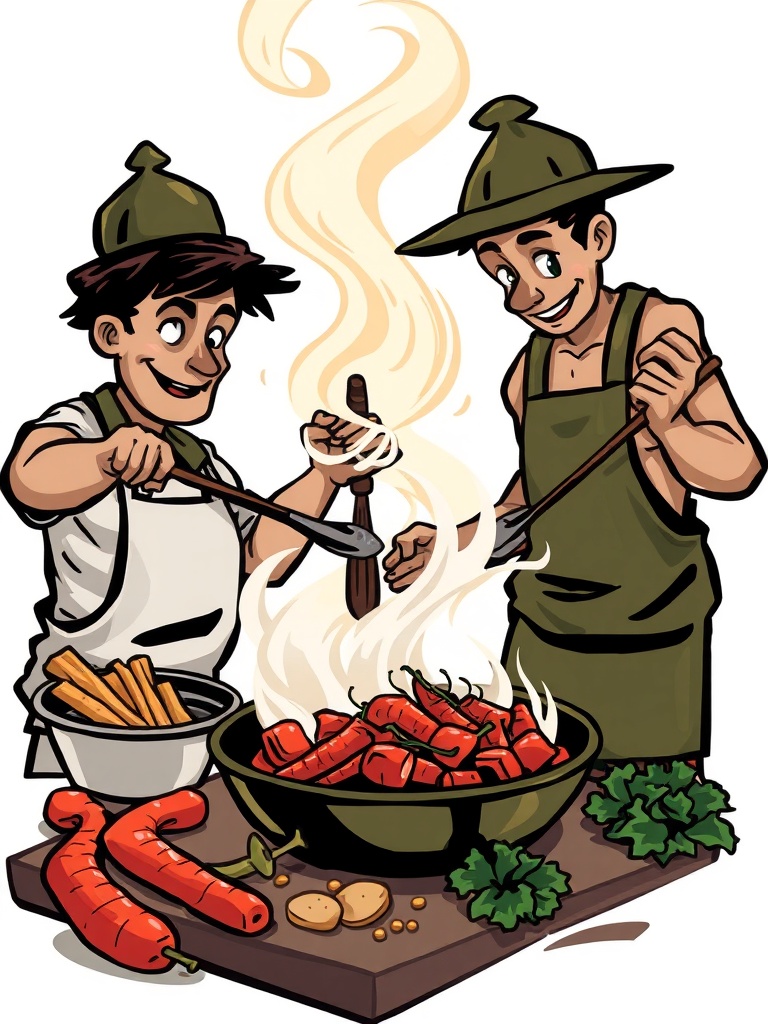
– One-pot convenience: Many Cajun recipes are designed for minimal cleanup—use that to your advantage for family meals or gatherings.
Serving and Finishing Touches
Serve over plain white rice to let bold flavors shine. Garnish with chopped green onions, parsley, a squeeze of lemon for brightness, and file powder where appropriate for a classic finish. Offer crusty bread for dunking and cold drinks to temper the heat.
Cajun cooking rewards experimentation while honoring a few steadfast techniques.
Master the holy trinity and a good roux, build flavor in stages, and you’ll be turning simple ingredients into deeply satisfying, soulful meals.