
 Emma Jantzen
 Carolina Lowcountry
Carolina Lowcountry: marshes, food, and why this coastline matters
The Carolina Lowcountry stretches from salt-scented marshes to shaded live oaks draped in Spanish moss, offering a unique blend of natural beauty, cultural history, and culinary richness. Whether planning a visit or looking to support local conservation, understanding what makes the Lowcountry special helps preserve it for generations.
Why the Lowcountry is unique
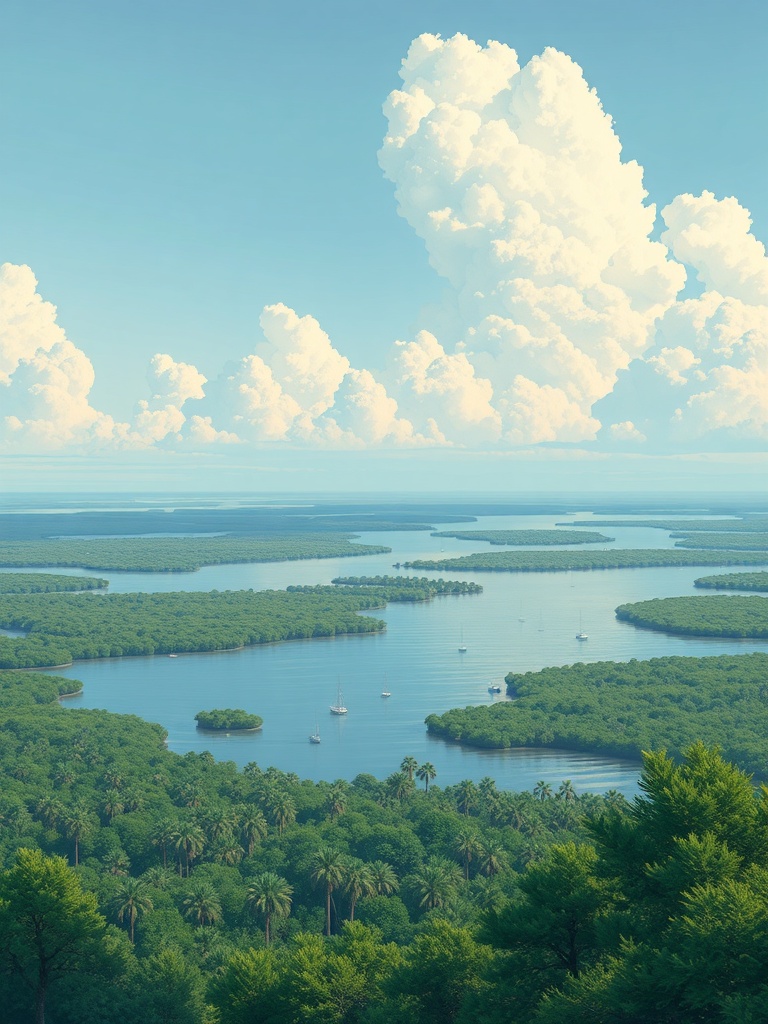
Salt marshes, tidal creeks, and barrier islands define the region’s ecology.
These habitats act as nursery grounds for shrimp, crabs, and countless fish species, while oyster reefs filter water and stabilize shorelines. The area’s Gullah Geechee communities maintain a living link to West African traditions through language, crafts, music, and food, shaping the cultural landscape as much as the geography does.
Food and culture to savor
Lowcountry cuisine is all about place. Iconic dishes like shrimp and grits, she-crab soup, and Lowcountry boils showcase local seafood and simple, seasonal ingredients. Many restaurants and markets still source directly from neighboring waters and family-run farms, making farm-to-table and sea-to-table experiences easy to find. For a deeper connection, visit community markets, join a seafood-focused tour, or take a cooking class centered on regional recipes.
Active and slow travel options
The Lowcountry supports both active outdoor adventures and tranquil escapes.
Kayaking through marsh creeks gives intimate wildlife viewing opportunities—look for egrets, herons, osprexes, and migrating shorebirds. Biking is a popular way to explore sea islands and towns; many coastal communities offer extensive bike paths. Historic towns invite slower exploration: stroll cobblestone streets, visit preserved plantations and museums that highlight local history, and attend community festivals celebrating art, music, and Gullah Geechee heritage.
Conservation and resilience efforts
Coastal communities are increasingly focused on resilience. Living shorelines, oyster reef restoration, marsh restoration, and dune rebuilding are practical approaches being used to reduce erosion and enhance habitat. Supporting local conservation organizations—by volunteering for oyster-seeding events, donating to marsh restoration projects, or attending workshops on flood-proofing and native landscaping—helps strengthen both ecological and community resilience.
Practical tips for visiting responsibly
– Check tide charts and local permit rules before launching watercraft. Tides shape access and wildlife activity.
– Stick to marked trails and respect private properties. Many coastal habitats are fragile and recover slowly from disturbance.
– Choose eco-conscious tour operators and local guides who prioritize habitat protection and cultural sensitivity.
– Sample local seafood at markets and eateries that emphasize sustainable harvesting and traceable sourcing.
– Learn about and support Gullah Geechee cultural centers and artisan workshops to help preserve living traditions.
Photography and wildlife etiquette
Early morning and late afternoon light offer the most dramatic scenes and calmer wildlife encounters. Keep a respectful distance from nesting birds and resting marine mammals; use a telephoto lens to capture close-up images without disturbance. Avoid feeding wildlife—human food can harm animals and change their natural behaviors.
The Carolina Lowcountry remains a place where natural systems and human culture are deeply intertwined. By choosing mindful travel, supporting local heritage, and engaging with conservation efforts, visitors and residents can help ensure this special coastal region remains vibrant and resilient for all who cherish it.