
 Emma Jantzen
 Carolina Lowcountry: Sustainable Travel Guide to Salt Marshes, Gullah-Geechee Culture & Cuisine
The Carolina Lowcountry is a place of salt-scented air, moss-draped live oaks, and a blend of cultures that shaped the American South.
Stretching along the coast, this region is defined by tidal estuaries, barrier islands, and a culinary tradition rooted in the sea and the rice fields. Whether you’re planning a short getaway or simply discovering the region’s charm from afar, the Lowcountry offers a unique mix of nature, history, and flavor.
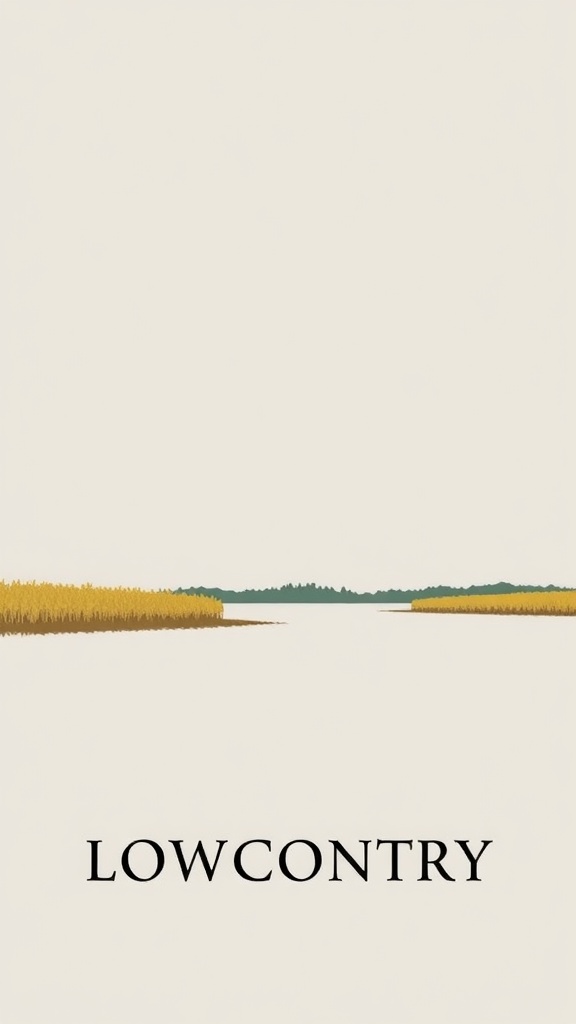
Why the salt marsh matters
Salt marshes are the backbone of the Lowcountry ecosystem. These tidal wetlands filter water, protect shorelines from storms, and support nurseries for shrimp, scallops, and many fish species. Marshes also store carbon in their soils, making them important in climate resilience strategies. Visiting a marsh by kayak or on a guided boat tour provides a hands-on perspective of these functions and the wildlife they support—herons, ospreys, fiddler crabs, and the occasional dolphin.
Cultural threads: Gullah-Geechee heritage
The Gullah-Geechee community preserves West African cultural practices, language influences, storytelling, and crafts that are integral to the region’s identity. Community-led tours, cultural centers, and craft markets offer respectful ways to learn about this living culture. When visiting historic sites or plantations, seek experiences that center descendant voices and support local preservation efforts.
Lowcountry cuisine: simple, soulful, sustainable
Lowcountry food is all about high-quality local ingredients prepared with a light, flavorful touch. Shrimp and grits, she-crab soup, and Lowcountry boil are iconic dishes; but look beyond the classics to fish-of-the-day offerings, oyster roasts, and vegetable-forward plates from farm-to-table kitchens. Many chefs and fisheries emphasize sustainable sourcing—ask about certifications or how seafood is harvested, and choose restaurants that partner with local fishermen and restoration projects.
Outdoor pursuits and barrier islands
Barrier islands like those near coastal towns provide quiet beaches, birding hotspots, and opportunities for shelling and sea turtle watching. Popular activities include kayaking through creeks and estuaries, guided birding walks across tidal flats, and biking historic town squares. Respect closed nesting areas and seasonal restrictions to avoid disturbing wildlife.
Conservation you can support
Local organizations work on oyster reef restoration, living shorelines, and marsh conservation—projects that stabilize coasts and rebuild habitat. Look for volunteer opportunities or donate to nonprofits focused on habitat restoration and cultural preservation. When visiting, practice “leave no trace”: carry out trash, use reef-safe sunscreen, and avoid driving on unmarked beaches.
Practical tips for visiting
– Pack lightweight layers to handle humid days and cool evenings.
– Bring binoculars for birding and a reusable water bottle to minimize plastic use.
– Book tours and dining reservations ahead, especially for community-led cultural experiences.
– Support small businesses—seafood markets, local bakeries, and craft shops—so the economic benefits stay in the region.
The Carolina Lowcountry invites slow discovery: taste its food, learn its stories, and wander its tidal landscapes with intention.
By choosing responsible experiences and supporting community-led preservation, visitors help keep this coastal culture vibrant for generations to come.