
 Emma Jantzen
 Carolina Lowcountry Travel Guide: Food, Gullah-Geechee Culture, Salt Marshes & Sustainable Outdoor Adventures
The Carolina Lowcountry is a place where salt marshes, live oaks draped in Spanish moss, and tidal creeks shape not just the landscape but a distinctive cultural and culinary identity. Stretching along the coastal plain, this region blends historic towns, barrier islands, and a living coastal culture rooted in West African traditions. Whether you’re drawn by food, history, wildlife, or coastal recreation, the Lowcountry delivers a unique, slow-paced experience.
What defines the Lowcountry
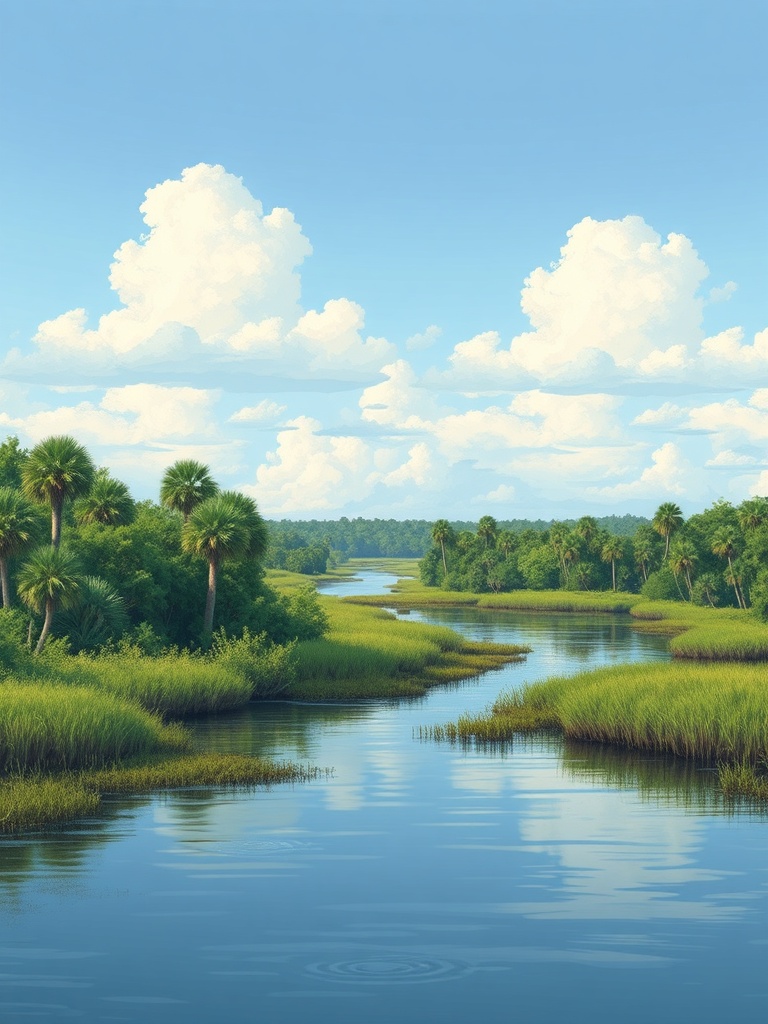
The Lowcountry’s defining features are its tidal marshes and barrier islands. Salt marshes act as nurseries for fish, shrimp, and crabs while buffering shorelines from storms. Barrier islands protect mainland habitats and offer miles of beaches, maritime forests, and dunes. Small towns and cities—each with their own character—ring these waterways, creating a patchwork of preserved landscapes, historic districts, and vibrant waterfront life.
Culture and heritage
A cornerstone of the region is the Gullah-Geechee culture, preserved by communities that maintain language, crafts, and culinary traditions passed down through generations. Sweetgrass basketry is a celebrated art form carried on by local artisans; buying baskets from known makers supports cultural preservation and the local economy.
Historic homes, churches, and community sites tell layered stories—respectful visits and guided tours help keep those stories alive while supporting preservation efforts.
Lowcountry cuisine
Food is central to the Lowcountry experience. Seafood rules the table: shrimp, oysters, blue crab, and local fish appear in simple, flavorful preparations. Signature dishes include shrimp and grits, she-crab soup, and the communal Lowcountry boil.
Benne (sesame) seeds, collard greens, and hominy show African culinary roots. Local markets and waterfront restaurants often list catch-of-the-day items—ask about sustainable sourcing and seasonal availability to enjoy the freshest flavor while supporting healthy fisheries.
Outdoor activities and wildlife
The Lowcountry is an outdoor enthusiast’s playground. Kayaking through marsh creeks, birdwatching along migration corridors, saltwater fishing, and guided eco-tours are great ways to explore. Barrier islands offer beachcombing, turtle nesting observation programs, and quiet stretches for walking.
Bird species like herons, egrets, and migratory shorebirds make the marshes a draw for photographers and naturalists.
Choose certified guides who practice low-impact access to fragile habitats.
Practical travel tips
– Timing: Mild weather and fewer crowds make shoulder seasons appealing; check local forecasts and tide conditions before heading out.
– Packing: Bring sun protection, insect repellent for marsh areas, water-resistant shoes, and binoculars for wildlife viewing.
– Respect: Stay on designated trails and boardwalks, avoid trampling dune vegetation, and refrain from taking shells or disturbing nests. Support local craftspersons and eateries—purchases go a long way toward sustaining communities.
– Sustainability: Look for restaurants and tour operators that emphasize local procurement and conservation; consider joining a marsh restoration volunteer day to give back.
Conservation and challenges
The region faces pressures from development, rising seas, and stronger coastal storms that affect marshes and communities.
Conservation groups, local governments, and residents are actively engaged in living shoreline projects, land protection, and cultural preservation initiatives. Supporting those efforts through donations, mindful tourism choices, and advocacy helps ensure the Lowcountry’s landscapes and traditions endure.
The Carolina Lowcountry offers a blend of natural beauty, rich culture, and savory food that rewards slow exploration.
Whether savoring a waterfront meal, paddling a quiet creek, or learning about Gullah-Geechee heritage, the region invites visitors to slow down and connect with a coastal way of life shaped by tides, traditions, and resilience.