
 Emma Jantzen
 Carolina Lowcountry Travel Guide: Marsh Ecology, Gullah Geechee Heritage, and Sustainable Seafood
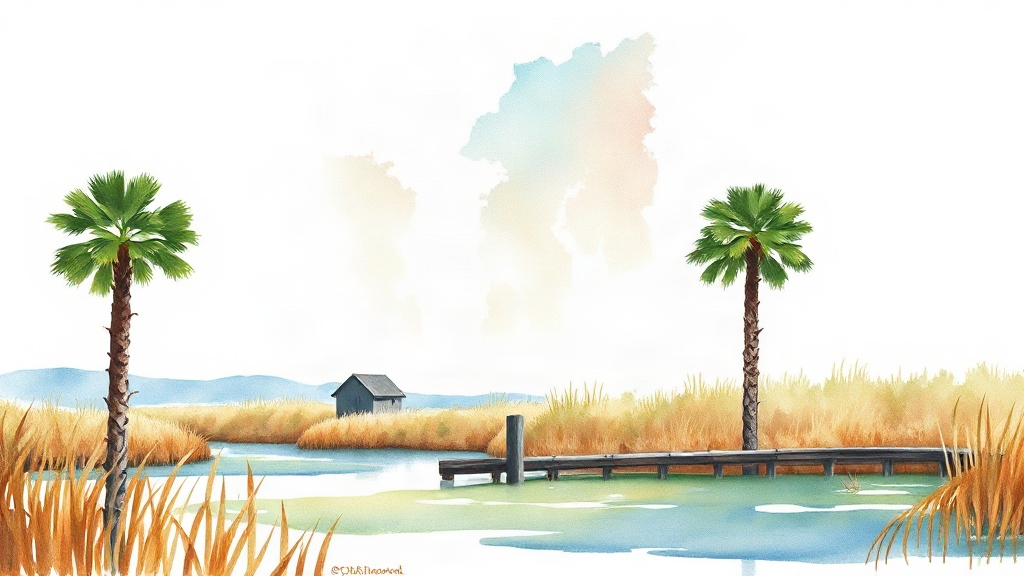
The Carolina Lowcountry is a landscape of marsh, moss-draped live oaks, tidal creeks and barrier islands that together shape a distinct culture and way of life. From winding waterways to historic port towns, this coastal region offers a blend of natural riches, culinary tradition and living heritage that draws visitors and sustains communities.
Landscape and ecology
Salt marshes dominate the Lowcountry’s edge, acting as nurseries for shrimp, blue crabs and juvenile fish while buffering storms and filtering runoff. Those marshes also store significant amounts of “blue carbon,” making them important allies in climate resilience. Barrier islands and estuaries—protected by sand dunes and maritime forests—are home to nesting sea turtles, migratory shorebirds and dense oyster reefs that naturally clean water and stabilize shorelines.
Cultural roots and Gullah Geechee heritage
The cultural heartbeat of the Lowcountry is deeply connected to Gullah Geechee traditions. Enslaved West Africans and their descendants preserved language, crafts and foodways that are still practiced today. Sweetgrass basket weaving, the ring shout in religious gatherings, and a distinct Gullah creole are visible threads in the region’s identity.
Visiting community-run cultural centers or guided heritage tours offers authentic insight while supporting local stewards of this living history.
Seafood and cuisine
Lowcountry cuisine is comfort food shaped by tide and season.
Classic dishes such as shrimp and grits, she-crab soup and oyster roasts emphasize fresh, local catch and simple, bold flavors. Farmers’ markets and small coastal fisheries connect chefs and home cooks to ingredients harvested nearby—seasonal seafood, field greens, and condiments that reflect both African, European and Native American influences. When dining out, prioritize sustainably sourced seafood and restaurants that work with local fishermen.
Responsible travel and ecotourism
Low-impact travel preserves the very qualities that attract visitors.
Kayaking through tidal creeks, guided birding walks, and boat trips focused on natural history allow close encounters with wildlife while minimizing disturbance. Look for tours led by local guides—many offer combined cultural and ecological perspectives and contribute directly to community economies.
Conservation and adaptation
Communities across the Lowcountry are actively pursuing nature-based solutions such as living shorelines, marsh restoration and oyster reef rebuilding to address erosion and changing tidal patterns.
These strategies aim to retain habitat, improve water quality and reduce flood risk without the ecological costs of hardened seawalls. Supporting organizations that prioritize community-led conservation helps ensure both cultural and environmental values are protected.
Top experiences to consider
– Paddle scenic tidal creeks at dawn to spot birds and otters.
– Visit a sweetgrass basket maker’s workshop to learn about this craft’s history.
– Book a guided oyster reef or marsh restoration tour to see conservation in action.
– Taste classic Lowcountry dishes at small, locally owned restaurants.
– Explore offshore barrier islands for quiet beaches, dunes and nesting birds.
Practical tips
Pack bug spray for marsh trips, bring sun protection, and respect posted wildlife nesting areas. If photographing cultural events or working with artisans, ask permission and consider purchasing directly to support local livelihoods. Choose low-impact operators for kayaking, boating and wildlife viewing to minimize your footprint.
The Carolina Lowcountry invites slow travel and curiosity—whether you come for the food, the history, or the wild landscapes, you’ll find a region where nature and culture are inseparable and preservation matters to everyone who lives and visits there.
0 Comment