
 Emma Jantzen
 Carolina Lowcountry Travel Guide: Marshes, Gullah-Geechee Culture and Seafood
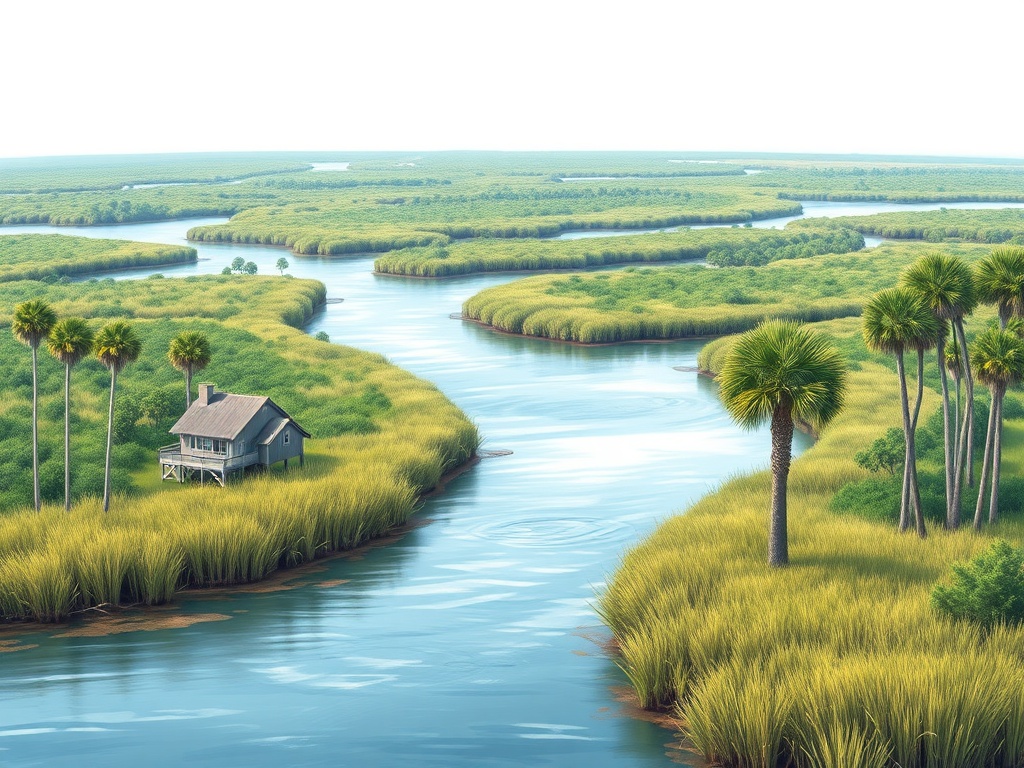
The Carolina Lowcountry blends salt-scented marshes, tidal creeks, and moss-draped live oaks into a landscape that feels both ancient and alive. Stretching along the coast from barrier islands to historic port towns, the Lowcountry is prized for its wildlife, culinary traditions, and living cultural heritage. Whether you’re drawn to kayaking through quiet estuaries, sampling iconic dishes, or exploring Gullah-Geechee history, this region offers deep, memorable experiences.
Why the Lowcountry Matters
The Lowcountry’s ecology is a delicate tapestry of marshes, estuaries, and islands that support migratory birds, oysters, shrimp, and a wide range of fish and invertebrates.
Salt marshes act as natural buffers against storms and filter runoff, while oyster reefs stabilize shorelines and boost water quality. These ecosystems are central to local livelihoods and culture, so conservation efforts by community groups and land trusts are active and ongoing.
Cultural Riches: Gullah-Geechee and Rice Culture
The Lowcountry’s cultural identity is strongly shaped by the Gullah-Geechee people—descendants of West African communities who preserved unique languages, crafts, and culinary techniques. Rice cultivation, once the economic backbone of the region, left lasting influences on landscape design, foodways, and folklore. Visiting cultural centers, small museums, and guided heritage tours offers meaningful context and supports local stewardship.
Lowcountry Cuisine: What to Eat and Where
Lowcountry food is a culinary shorthand for fresh local seafood and rice-based dishes, seasoned simply and luxuriously. Must-try items include:
– Shrimp and grits: a savory, comforting pairing of locally caught shrimp and stone-ground grits
– She-crab soup: a creamy, shellfish-forward specialty finished with a splash of sherry
– Oysters: raw or roasted, often sourced from nearby estuaries and reef restoration projects
– Lowcountry boil: a communal pot of shrimp, corn, potatoes, and sausage
Farm stands and coastal markets are great places to sample seasonal produce and catch-of-the-day seafood.
Supporting local fishermen and farmers helps sustain regional foodways.
Outdoor Activities and Island Escapes
Recreation in the Lowcountry centers on water and wildlife.
Popular pursuits include:
– Kayaking or paddleboarding through tidal creeks and marsh channels
– Birdwatching for species like herons, egrets, ospreys, and migratory shorebirds
– Fishing for inshore species such as redfish and flounder
– Exploring barrier islands by foot or ferry to find quiet beaches and historic ruins
Barrier islands like those accessible by short boat rides offer excellent opportunities to disconnect from crowds and experience unspoiled coastal habitats.
Practical Travel Tips
– Pack layers: coastal weather can shift quickly between sunny, breezy, and humid.
– Bring insect repellent for evening marsh walks and marsh-edge trails.
– Respect private property and marsh boundaries; stick to marked trails and public beaches.
– Consider guided eco- or cultural tours to gain deeper knowledge and support local guides.
Conservation and Responsible Visiting
Many local organizations focus on habitat restoration, oyster reef rebuilding, and preserving cultural sites. Visitors can contribute by choosing sustainable seafood, joining volunteer shoreline cleanups, or supporting heritage programs.
Thoughtful travel helps ensure the Lowcountry’s landscapes and traditions remain vibrant for generations to come.
The Carolina Lowcountry is more than a destination; it’s an experience of place where ecology, food, and history are inseparable. For visitors and locals alike, the best way to appreciate it is to slow down—listen for the tidal rhythms, savor simple coastal flavors, and respect the ecosystems and cultures that make this region unique.