
 Emma Jantzen
 Carolina Lowcountry Travel Guide: Nature, Seafood & Gullah Culture
The Carolina Lowcountry is a distinctive coastal region where tidal marshes, moss-draped live oaks, and a rich cultural tapestry meet vibrant culinary traditions. Stretching along the seaboard from river deltas to barrier islands, the Lowcountry offers a mix of natural beauty and historic charm that keeps visitors returning for its slow rhythms, seafood-forward cuisine, and deep-rooted culture.
What to expect: landscape and wildlife
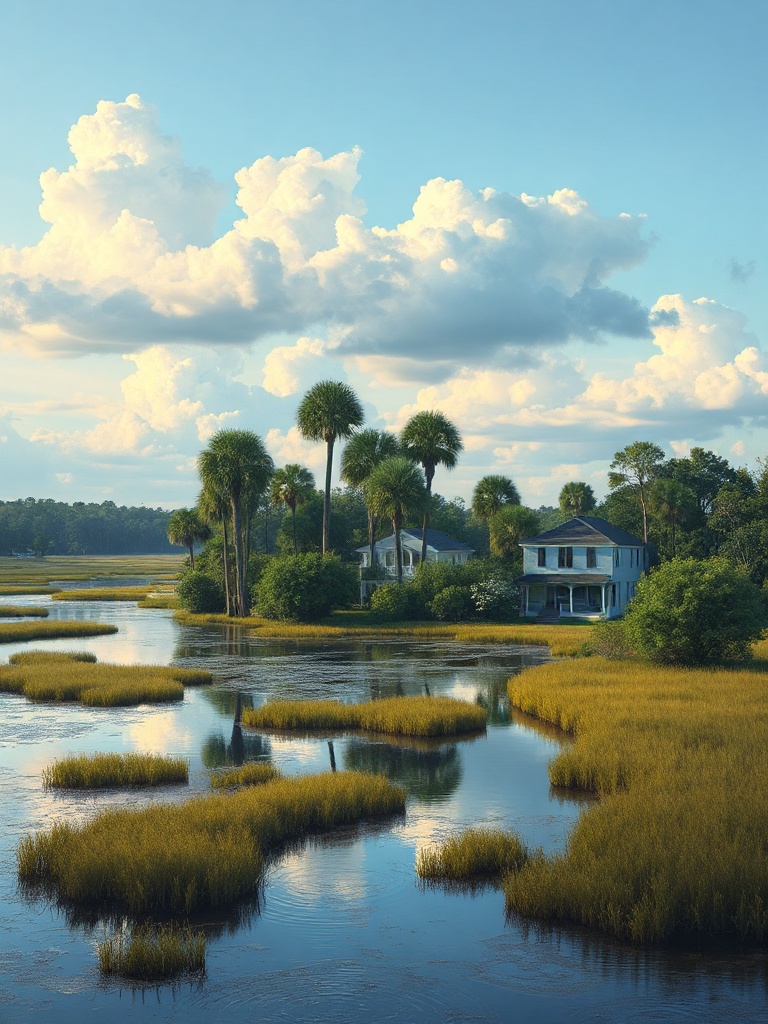
The Lowcountry landscape is defined by salt marshes, estuaries, and sea islands.
These marshes act as nurseries for shrimp, blue crabs, and countless species of fish, and are a magnet for shorebirds and raptors. Birding is especially rewarding—look for herons, egrets, and migrating songbirds—and kayak trips through narrow creeks provide close encounters with dolphins and marsh life. Many nature preserves and coastal sanctuaries offer boardwalks and guided tours that highlight coastal ecology and conservation efforts focused on marsh restoration and shoreline resilience.
Culinary scene: flavors born of the sea and soil
Lowcountry cuisine is a celebrated fusion of West African, European, and Indigenous influences. Staples like shrimp and grits, she-crab soup, oyster roasts, and Lowcountry boils showcase the region’s reliance on fresh seafood and simple, bold flavors.
Local produce and traditional ingredients—such as benne seeds, okra, and field peas—add depth to both rustic and elevated dishes. Farmers’ markets in coastal towns make it easy to sample seasonal offerings, while many restaurants emphasize sustainable sourcing and partnerships with local watermen and growers.
Heritage and culture
The cultural heart of the Lowcountry includes the Gullah/Geechee communities whose language, crafts, and culinary traditions continue to shape the region. Storytelling, sweetgrass basket weaving, and festivals celebrate this heritage. Historic plantations and preserved towns offer windows into the layered histories of agriculture, rice cultivation, and coastal trade, but there are also contemporary cultural centers and museums where visitors can learn about living traditions and preservation efforts.
Outdoor activities and active travel
Outdoor enthusiasts will find plenty to do.
Paddleboarding and kayaking through tidal creeks, cycling along historic routes, and chartering boat trips to secluded beaches are popular ways to explore. Salt marshes and barrier islands are fragile ecosystems—responsible access through guided tours or designated trails helps protect sensitive habitats.
For anglers, estuary flats and inshore waters provide excellent sport fishing opportunities for speckled trout, redfish, and flounder.
Practical travel tips
Accommodations range from boutique lodges in coastal towns to historic inns and beachfront rentals. Spring and fall typically offer the most comfortable weather and fewer crowds, while summers are lively and perfect for water recreation. Pack sun protection, insect repellent, and flexible footwear for sandy and muddy terrain. Respect private properties and local wildlife; many of the best island experiences are on protected or privately owned lands that require mindful visitation.
Why it matters
The Carolina Lowcountry is a living landscape—ecologically rich and culturally vibrant.
Conservation efforts and community-led preservation continue to shape how residents and visitors interact with this coast. For anyone seeking a blend of culinary adventure, nature immersion, and meaningful cultural experiences, the Lowcountry delivers an unforgettable encounter with America’s southeastern shore.