
 Emma Jantzen
 Carolina Lowcountry Travel Guide: Salt Marshes, Seafood & Gullah Geechee Culture
Carolina Lowcountry: Salt Marshes, Seafood, and Soulful Culture
The Carolina Lowcountry is a coastal tapestry where salt marshes, live oaks draped in Spanish moss, and tidal creeks shape daily life. Stretching along the Southeastern seaboard, this region blends rich cultural heritage with an ecology that supports some of the most productive estuaries on the continent.
Whether you’re planning a weekend escape or curious about conservation, the Lowcountry rewards slow exploration.
Why the Lowcountry matters
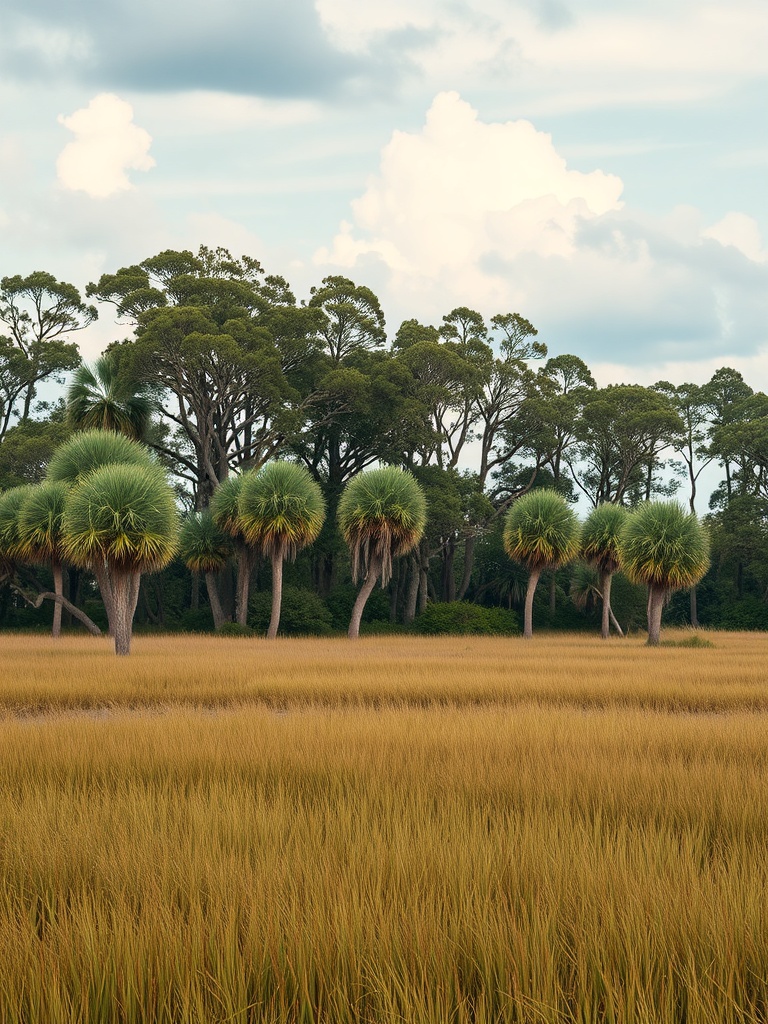
Salt marshes here are more than scenic backdrops — they’re vital nurseries for shrimp, blue crabs, and many fish species. These marshes store “blue carbon,” help filter runoff, and buffer inland areas from storm surge.
Preserving marshland and native barrier islands supports fisheries, tourism, and coastal resilience.
Culture and cuisine
The Gullah Geechee culture is a cornerstone of Lowcountry identity, preserving language, crafts, folktales, and foodways shaped by West African traditions.
Local markets and community tours offer respectful ways to learn about Gullah history and artistry.
Culinary highlights reflect the coast: fresh shrimp and grits, she-crab soup, Lowcountry boil, and oysters straight from the tidal flats.
Seek out family-run seafood shacks and farmers’ markets for the best, and pair meals with locally made spirits or sweet tea for a true regional experience.
Top experiences
– Marsh and wildlife tours: Guided boat or kayak trips take you into winding creeks where dolphins, herons, egrets, and migratory shorebirds are easily spotted. Salt marshes glow at sunrise and sunset — bring a telephoto lens for birds and a wide-angle for sweeping marsh vistas.
– Historic towns: Stroll cobblestone streets, antebellum architecture, and waterfront promenades. Small museums, historic homes, and guided walking tours illuminate the area’s complex past.
– Barrier islands and beaches: Bike-friendly islands and quieter barrier beaches offer shelling, surf, and birdwatching. Many islands limit development, preserving dunes and nesting habitat for sea turtles and shorebirds.
– Culinary trails: Follow seafood shacks, oyster bars, and farm-to-table restaurants. Attend a farmers’ market to taste local produce and meet fishers and farmers.
– Cultural workshops: Look for local classes on basket weaving, storytelling, and culinary demonstrations to connect deeper with Gullah traditions.
Practical tips for visitors
– Respect tides and private property.
Marshes and tidal creeks can be deceptively deep or soft underfoot.
Local guides know safe routes.
– Pack sun protection and insect repellent. Salt marsh mosquitos can be persistent around dusk.
– Time outdoor activities for early morning or late afternoon to avoid midday heat and enjoy better wildlife viewing.
– Support conservation-minded businesses and nonprofits working to restore marshes and protect cultural sites. Donations, volunteer days, and responsible tourism all help sustain the region.
– Avoid disturbing nesting birds, sea turtle nests, or shellfish beds; collect memories, not shells or wildlife.
Conservation and the future
Local communities, scientists, and nonprofits are increasingly collaborating on habitat restoration, living shorelines, and cultural preservation efforts. These programs focus on maintaining fisheries, rebuilding marshes, and ensuring that Gullah Geechee heritage continues to be honored and protected.
The Carolina Lowcountry is best experienced at a relaxed pace: listen for the call of shorebirds, taste the day’s catch, and let the landscape remind you why coastal places deserve both enjoyment and stewardship. Plan a visit that leaves the marshes healthier and the culture respected.