
 Emma Jantzen
 Carolina Lowcountry Travel Guide: Tides, Gullah-Geechee Culture, Food & Conservation
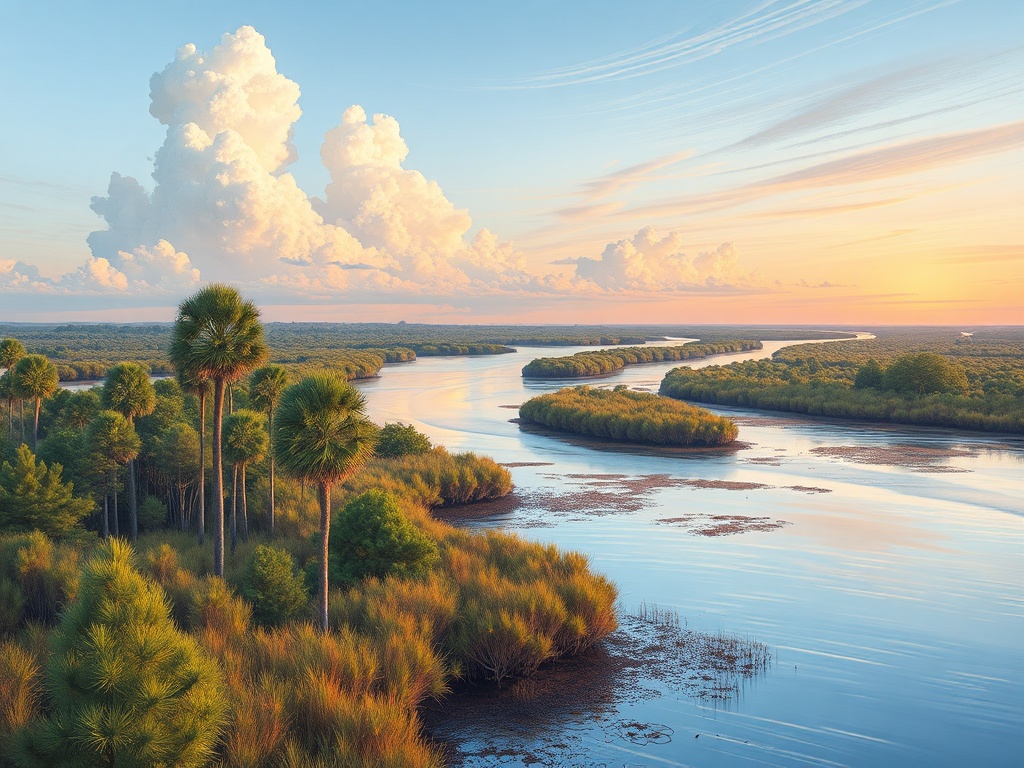
The Carolina Lowcountry is a landscape of slow tides, salty air, and a culture shaped by sea and soil. Stretching along the coastal plain, this region is defined less by strict borders and more by its marshes, barrier islands, live oaks draped in Spanish moss, and a culinary heritage that blends African, European, and Native influences.
Why the Lowcountry feels unique
Low-lying salt marshes create sweeping, flattened vistas that change with the tide. These estuaries are ecological powerhouses: nursery grounds for shrimp, blue crabs, and fish; feeding stops for migratory birds; and natural buffers that help protect inland communities.
Barrier islands hold beaches, maritime forests, and secluded inlets that reward exploration by kayak or bike.
Cultural roots and living traditions
The Lowcountry is home to a rich Gullah-Geechee cultural legacy, expressed through language, music, recipes, and crafts. Sweetgrass basket weaving—an art form passed down through generations—remains a living tradition, and supporting local artisans helps sustain both culture and economy. Historic plantations, coastal churches, and town squares tell layers of history, while community festivals celebrate everything from shrimp to shell music.
Food that defines the coastline
Lowcountry cuisine is famously simple and ingredient-driven. Look for lowcountry boil at community gatherings, freshly steamed shrimp, plump oysters, and she-crab soup that showcases local crustaceans and cream.
Farm stands and seafood markets connect diners directly to harvests, making seasonal menus the norm. For an authentic food experience, join a neighborhood oyster roast or sample local restaurants that prioritize catch-of-the-day and regional produce.
Outdoor activities and quiet adventure
Outdoor enthusiasts find a lot to love here. Kayaking through tidal creeks, paddleboarding along calm riverways, and wildlife photography in the marsh at golden hour are all quintessential Lowcountry experiences. Bicycle-friendly towns and numerous public trails invite slow travel; historic downtowns offer walking tours that blend architecture, folklore, and food stops.
Conservation and resilience
The Lowcountry faces environmental challenges that shape local planning and lifestyle choices. Salt marsh restoration, living shorelines, and community-driven conservation initiatives are increasingly prominent as residents and organizations work to protect wetlands, manage stormwater, and preserve barrier island habitats. Responsible tourism—respecting nesting shorebirds, limiting single-use plastics, and following local fishing regulations—helps keep natural systems healthy for future visitors and residents.
Practical tips for visiting or settling
– Aim for spring or fall for milder weather and smaller crowds; bring layers for cool morning tides and humid afternoons.
– Choose experiences led by local guides to gain deeper cultural context and support community economies.
– When sampling seafood, ask about sourcing—local harvests often offer the freshest flavors and help sustain coastal fisheries.
– Respect private properties and protected areas; many island habitats are fragile and best enjoyed from designated paths or guided tours.
Why it matters
The Carolina Lowcountry is more than a destination—it’s an ecosystem and a way of life that depends on stewardship as much as celebration. Whether drawn by food, history, or the simple rhythm of the tides, visitors and residents can have a positive impact by choosing mindful recreation, supporting local makers, and learning the stories that make this coastal stretch unlike any other.