
 Emma Jantzen
 Carolina Lowcountry Travel Guide: Wildlife, Food, Culture & Eco-Tours
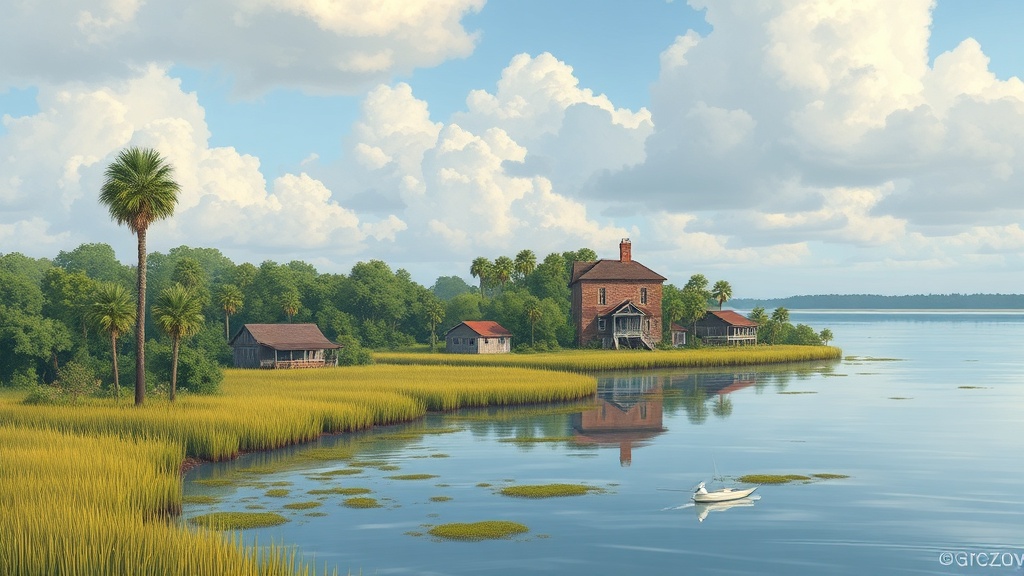
The Carolina Lowcountry is a place where land and sea meet in a slow, elemental rhythm: tidal marshes ripple with cordgrass, live oaks drape Spanish moss over quiet lanes, and barrier islands guard a fragile coastal web of life. That mix of ecology, culture, and coastal living creates a region prized by birders, food lovers, history buffs, and anyone seeking a softer pace shaped by salt and tide.
Ecology and resilience
Salt marshes and tidal creeks are the backbone of the Lowcountry. These wetlands filter water, store carbon, and protect inland communities from storm surge. Oyster reefs and living shorelines are increasingly part of shoreline management — natural structures that reduce erosion, improve water quality, and provide habitat for fish and crustaceans. Restoring these systems helps maintain the fisheries and recreation opportunities that local economies depend on.
Wildlife viewing is exceptional. Wading birds like herons and egrets stalk the mudflats, while migrating shorebirds use the region as a crucial stopover.
River otters, dolphins, and the occasional sea turtle add to the wildlife tapestry, making guided kayak trips and quiet marsh tours some of the best ways to connect with the landscape without disturbing it.
Cultural layers
The Lowcountry’s human story is as rich as its ecology. Gullah-Geechee culture, formed by West African traditions blended with local experience, influences food, music, crafts, and place names across the islands and coastal towns. Historic downtowns in port cities and small sea island communities keep alive distinct crafts, storytelling traditions, and recipes passed down through generations.
Food and flavors
Lowcountry cuisine celebrates the bounty of the region with straightforward, flavorful dishes. Local shrimp, blue crab, oysters, and wild-caught fish feature alongside rice, okra, and seasonal produce. Classics like shrimp and grits and a Lowcountry boil highlight fresh ingredients prepared simply to let the coastal flavors shine. Farmers’ markets and waterfront seafood shacks remain the best ways to taste truly local fare.
Outdoor recreation and visitor tips
From paddling quiet creeks to biking historic districts, the Lowcountry invites slow exploration. Popular activities include:
– Kayaking or stand-up paddleboarding through salt marsh creeks.
– Birding at coastal preserves and wildlife refuges.
– Scenic drives beneath canopy roads lined with moss-draped oaks.
– Ferry rides to barrier islands for beach walking and shelling.
Practical tips for visitors: check local tide charts before paddling or beachcombing; bring insect repellent for marshy areas; wear sun-protective clothing and comfortable footwear for sandy or muddy terrain; and respect private properties—many marsh-viewing spots are best accessed via guided tours or public preserves.
How to support the Lowcountry
Sustainable visitation and local stewardship make a big difference.
Choose businesses that source seafood responsibly, sign up for guided eco-tours that follow best practices, and consider donating time or funds to groups focused on marsh restoration, oyster reef projects, and sea turtle protection.
Small actions—using reusable water bottles, avoiding single-use plastics, and staying on designated paths—help keep the coastal system healthy.
The Carolina Lowcountry rewards curiosity and patience. Whether you’re drawn by the slow-moving tides, the deep cultural roots, or the flavor of a perfectly cooked shrimp and grits, the region offers a distinctive blend of natural beauty and human history that invites repeated visits and thoughtful stewardship.
0 Comment