
 Emma Jantzen
 Discover the Enchanting Beauty of Magnolias: A Deep Dive into Their Species, Cultivation, and Environmental Impact
Magnolia trees have long held a cherished place in the hearts of nature enthusiasts. These grand trees are the epitome of natural beauty and grace, with their large, glossy leaves and spectacular fragrant blossoms. Found in temperate, subtropical, and tropical regions, magnolia trees have a unique charm that continually enthralls plant lovers and botanists alike.
Today, magnolia trees are a prominent part of the landscape in many urban and suburban areas. They can often be seen embellishing parks, city streets, and private gardens. Beyond their aesthetic appeal, these trees also play a crucial role in diversifying the ecosystem, attracting a wide array of birds, insects, and wildlife.
From a botanical perspective, the magnolia family includes more than 200 species, offering a remarkable diversity in terms of size, blossom color, and habitat preference. Some species, like the Southern Magnolia and the Star Magnolia, are particularly celebrated for their stunning flowers and resilience.
The Southern Magnolia, known scientifically as Magnolia grandiflora, is a quintessential feature of the American South. This evergreen species is famous for its large, leathery leaves and exquisite creamy-white flowers. It remains green throughout the year, which makes it an excellent choice for folks looking to add a touch of perennial greenery to their landscapes.
On the other hand, the Star Magnolia, or Magnolia stellata, is a smaller, deciduous species that hails from Japan.
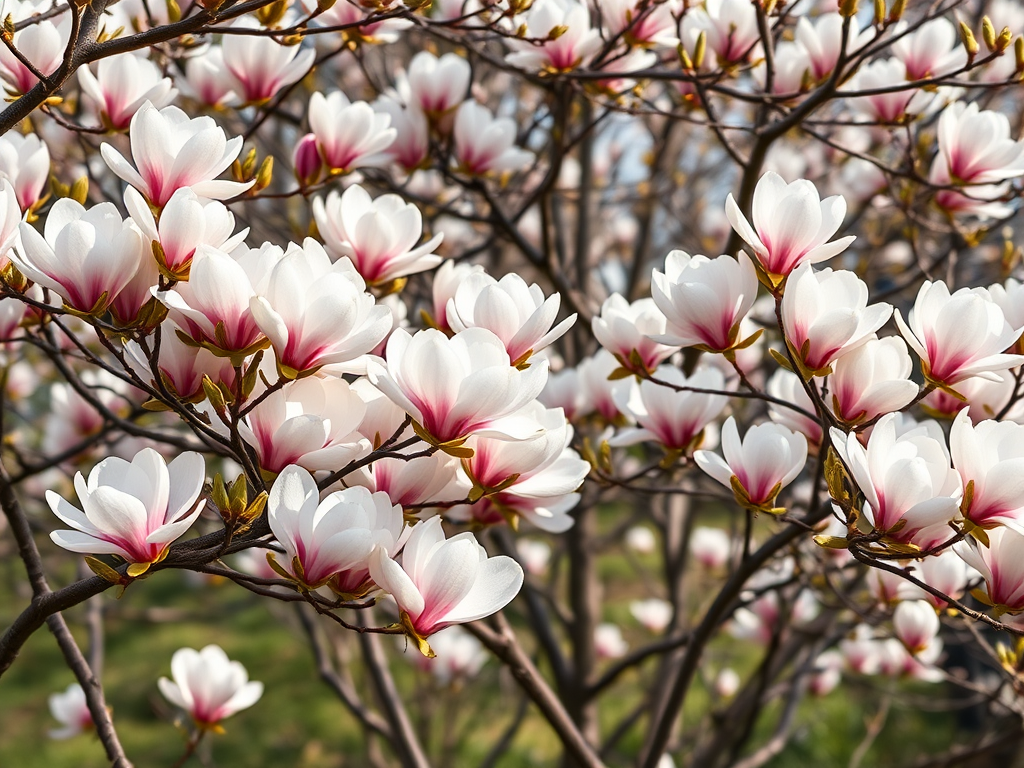
It dazzles with its star-shaped white or pink flowers that bloom early in the spring, even before the appearance of its leaves.
This species is perfect for smaller gardens or landscapes with limited space.
However, magnolia trees do more than just beautify landscapes. Over the years, these trees have proven to be a tremendous source of natural remedies. Traditional medicine practitioners have long valued the bark, flowers, and buds of magnolias for their potential health benefits. Various parts of the tree have been used to address conditions like anxiety, allergies, and respiratory disorders, although always under the guidance of an expert.
Cultivating magnolia trees can be a rewarding experience, but it is not without challenges.
Much like any plant, magnolias have specific needs in terms of sunlight, water, and soil quality. They thrive best in well-drained, slightly acidic soil and prefer sunny or partly shaded locations.
Interestingly, magnolia trees are generally pest-resistant, making them a low-maintenance choice for many homeowners.
In spite of this, they can be susceptible to certain diseases, like fungal leaf spot and verticillium wilt, which may require attention and care for prevention and control.
Today, the propagation of magnolia trees is largely achieved through seeds, cuttings, or grafting. While growing a magnolia tree from seed may take more time, it can be an exciting and fulfilling journey for any gardening enthusiast. Alternatively, cuttings and grafting can provide quicker results, though they may require more technical expertise.
In this age of increasing environmental awareness, trees like magnolias play a significant role in bolstering biodiversity, enhancing air quality, and providing much-needed green spaces. Amidst the concrete jungles of our cities, these trees serve as a steadfast reminder of the magnificence of nature, interlacing the modern world with a refreshing touch of the wild.
Indeed, the allure of magnolia trees extends far beyond their obvious beauty. Their diversity, ecological importance, and cultural significance make them a worthy subject of interest for all. As we continue to explore the wonders of the plant kingdom, magnolia trees undoubtedly shine as one of its most fascinating members.