
 Emma Jantzen
 Exploring the Carolina Lowcountry: A Journey Through Nature, History, and Southern Charm
In the southeastern United States, nestled along the coastline, is an enchanting region known as the Carolina Lowcountry. Stretching from Pawleys Island, South Carolina, to Georgia’s Savannah River, this region is steeped in history, enriched by unique culture, and adorned with breathtaking beauty. The Carolina Lowcountry is a captivating blend of beautiful beaches, sprawling marshlands, lush plantations, and historic towns, offering an escape into nature’s tranquility and the heritage of the Old South.
The Carolina Lowcountry is a crown jewel of natural splendor, best known for its sweeping marshlands. Its landscape is dominated by a vista of tidal creeks and rivers crisscrossing through the marshes, creating a stunning spectacle of aquatic flora and fauna.
These areas are home to a diverse range of wildlife, from the graceful egrets and ospreys to the playful dolphins in the Charleston Harbor. Birdwatchers and nature enthusiasts alike find their paradise here amidst the seemingly endless expanse of marsh and sea.
Moreover, the Lowcountry’s iconic Angel Oak Tree, a live oak reputed to be one of the oldest living things in the country, is a testament to nature’s resilience and grandeur. This monumental tree is an awe-inspiring sight, with branches that reach out in all directions, creating a canopy of leaves that provides cooling shade on hot summer days. The Angel Oak Tree is a marvelous symbol of the Lowcountry’s rich and enduring natural heritage.
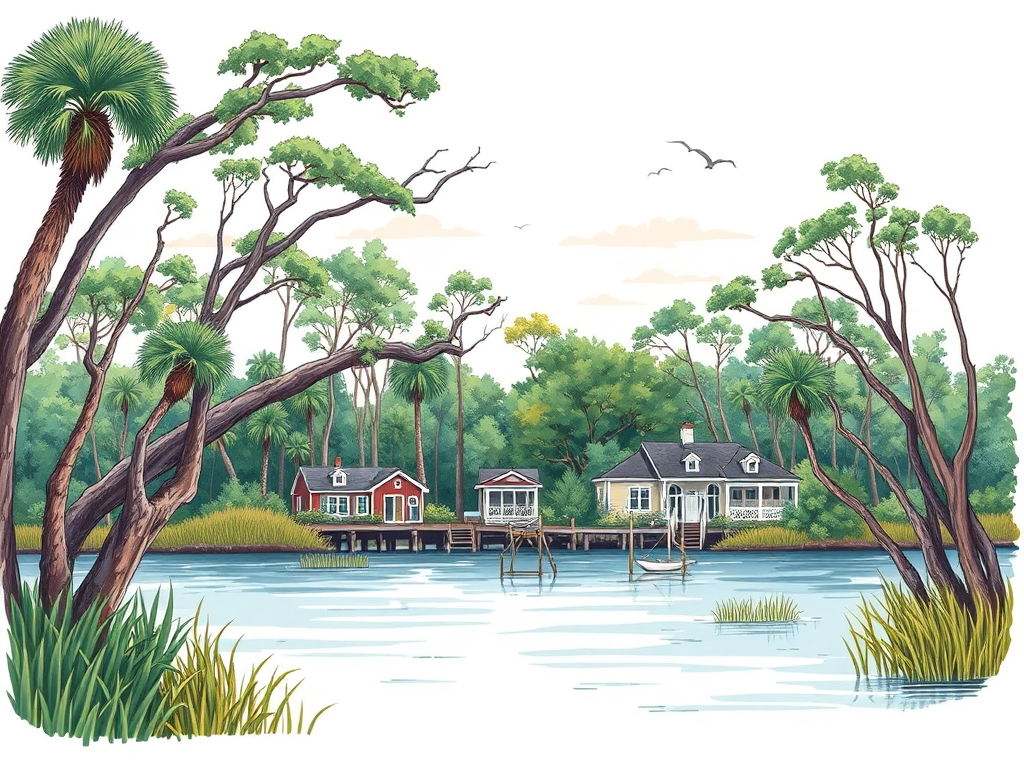
Additionally, the Carolina Lowcountry’s maritime forests, such as the Francis Marion National Forest, offer a unique opportunity for outdoor enthusiasts. With miles of hiking and biking trails cutting through dense forests, these natural sanctuaries are perfect for exploring and reconnecting with nature.
The Carolina Lowcountry’s unique charm extends beyond its natural wonders into its rich history and cultural heritage. The region is dotted with historic plantations, each narrating a chapter of the Old South’s history. The Boone Hall Plantation, for instance, is a beautifully preserved site, offering visitors a glimpse into the past with its antebellum mansion, slave cabins, and centuries-old Live Oak Alley.
Lowcountry cuisine is another cultural highlight, deeply rooted in the region’s history and geography. A blend of Southern cuisine with coastal influences, it features dishes like shrimp and grits, she-crab soup, and Frogmore Stew.
Fresh seafood, locally sourced ingredients, and traditional methods are the hallmarks of Lowcountry cooking, creating a culinary experience that is as distinctive as the region itself.
Moreover, the region resonates with artistic flair.
Gullah culture, brought by West African slaves, has been preserved and celebrated in the Lowcountry through folk arts, sweetgrass basket weaving, and spirituals. This vibrant culture adds another layer to the region’s rich tapestry, making it even more fascinating.
The vibrant towns of the Carolina Lowcountry, such as Charleston and Beaufort, are hubs of Southern charm and hospitality. With their cobblestone streets, horse-drawn carriages, historic buildings, and sunset cruises, they offer a timeless retreat into a world of elegance and tranquility.
Today, the Carolina Lowcountry stands as a testament to the harmonious blend of nature, history, and culture.
Its serene landscapes invite you to unwind, its rich heritage intrigues you to explore, and its warm hospitality makes you feel at home. Whether you’re a nature lover, history buff, foodie, or simply a seeker of tranquility, the Carolina Lowcountry has something magical to offer.