Emma Jantzen
 Exploring the Richness of Cajun Cuisine: A Journey Through its Flavorful Traditions and Techniques
Cajun Cooking: A Symphony of Flavors and Tradition
Cajun cuisine is a living testament to the rich culinary history of Louisiana, a symphony of flavors that tells a story of tradition and culture.
With its distinct and diverse food preparations, it has made a significant impact on the global food scene. But what makes Cajun cooking unique? What is the secret behind its mouthwatering dishes?
A Blend of Cultures
The charm of Cajun cuisine lies in its unique blend of cultural influences. Tracing its roots back to the French Acadian settlers who migrated to Louisiana in the 18th century, it has since grown to incorporate Spanish, African, and Native American elements. This fusion of cultures has resulted in a cooking style that is rich, robust, and recognizably unique.
The Holy Trinity of Cajun Cooking
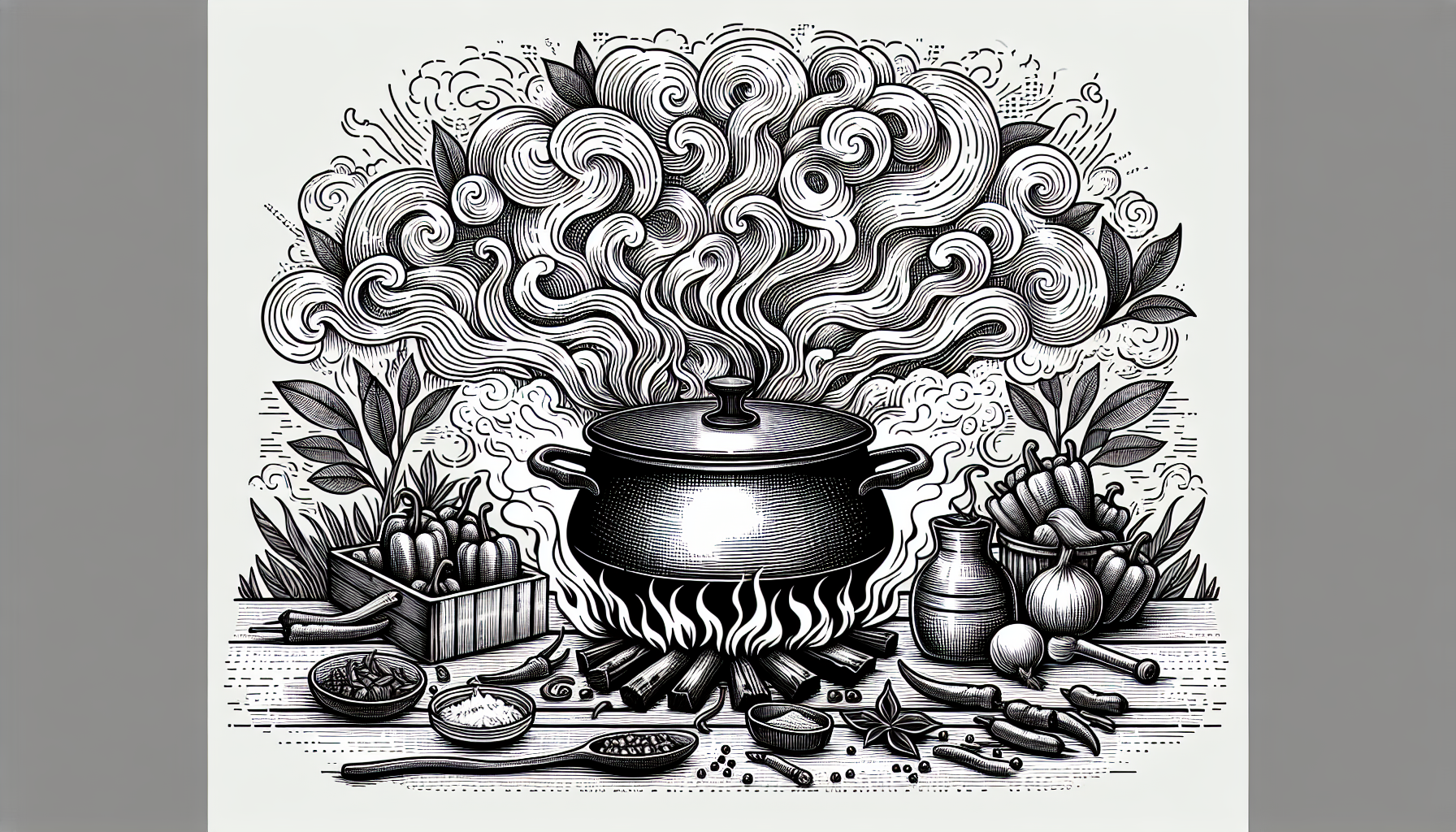
In the heart of Cajun cooking is the ‘Holy Trinity,’ a combination of onions, bell peppers, and celery. This aromatic trio forms the base for many of the region’s signature dishes, infusing them with a depth of flavor that is unmistakably Cajun.
Similar to the French ‘mirepoix’ or the Italian ‘soffritto,’ these three ingredients provide a flavor foundation for soups, stews, and other dishes such as the classic jambalaya and gumbo.
Spice It Up
The fiery kick in Cajun dishes comes from the generous use of spices. While the spice blend varies from cook to cook, some of the staples include cayenne pepper, black pepper, white pepper, paprika, and dried herbs like oregano and thyme. This fiery blend, known as Cajun seasoning, is the secret behind the spicy, smoky flavor that Cajun dishes are famous for.
Seafood and Meat: A Staple in Cajun Cuisine
Blessed with a bounty of fresh seafood and wild game, Cajun cuisine features a variety of proteins. From crawfish to alligator, duck to rabbit, the choices are as varied as they are delicious. Seafood boils and meaty étouffées are staples, demonstrating the Cajun tradition of making the most of locally available ingredients.
Cajun Cooking Techniques
From the slow-and-low simmering of gumbo to the quick sautéing of crawfish, Cajun cooking techniques are as diverse as the dishes themselves. Yet they all share one common trait — the emphasis on developing deep, layered flavors.
This is often achieved by browning the meat or vegetables, a process known as ‘browning reaction,’ to bring out their natural sugars and enhance their flavors.
While the popularity of Cajun cuisine has grown beyond the borders of Louisiana, its essence remains the same — a celebration of local ingredients, traditional techniques, and a rich tapestry of cultural influences. It’s more than just a cooking style; it’s a culinary heritage that continues to evolve while still staying true to its roots.
Whether you’re a seasoned cook or a beginner in the kitchen, the journey into Cajun cuisine promises a gastronomic adventure of robust flavors, unique ingredients, and traditional cooking techniques. So why not spice up your next meal with a taste of Cajun cooking? After all, who can resist the tantalizing allure of a perfectly simmered gumbo or a spicy crawfish boil?