
 Emma Jantzen
 Freshness, Safety & Sustainability Tips
The Gulf is synonymous with rich, briny seafood flavors that define coastal dining from backyard boils to fine dining. Whether you’re buying shrimp at the dock, slurping oysters at a waterfront shack, or cooking a fresh fillet at home, understanding how to choose, handle, and enjoy Gulf seafood makes a big difference in taste, safety, and sustainability.
What makes Gulf seafood special
The Gulf’s warm waters support a wide variety of species prized for their texture and flavor: tender Gulf shrimp, briny oysters, firm red snapper and grouper, savory blue crab, and seasonal catches like mahi-mahi and cobia. Local fisheries combine wild harvest with growing aquaculture operations — especially oyster and shrimp farms — helping meet demand while easing pressure on wild populations.
Buying smart: freshness and traceability
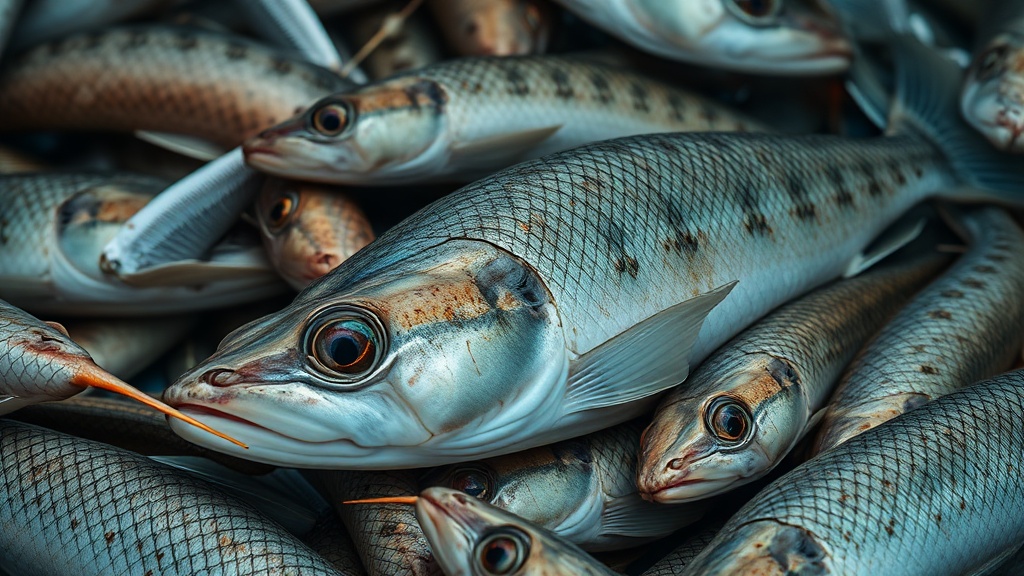
When shopping, look for clear signs of freshness. Whole fish should have bright eyes, firm flesh, and a clean scent. Shrimp should be firm and not overly soft or slimy; avoid strong ammonia smells.
Live oysters and clams should be closed or close quickly when tapped. Many local suppliers now offer traceability tools — QR codes or harvest tags — so you can see where and how the seafood was caught or farmed. Favor suppliers that provide this transparency and those participating in community-supported fisheries or local co-ops.
Safety pointers
Harmful algal blooms, often called red tides, and bacterial risks in warm months can affect the safety of shellfish and some finfish. Always check local health advisories and harvesting closures before buying recreationally harvested shellfish. Refrigerate seafood immediately and plan to use fresh fish and shellfish within a short window; if freezing, do so promptly in airtight packaging. Cook finfish to an internal temperature commonly recommended by food safety authorities, and fully cook shellfish to reduce risk. Raw oysters carry higher risk for certain groups — pregnant people, young children, older adults, and those with weakened immune systems should avoid raw shellfish.
Sustainability and stewardship
Sustainable practices are growing along the Gulf Coast. Oyster reef restoration projects enhance habitat, filter water, and rebuild beds that support juvenile fish. Fisheries managers use a combination of seasonal closures, size limits, and gear restrictions to protect stocks — supporting both long-term harvests and healthy ecosystems. Look for seafood certified by reputable programs, or seek out harvesters who use low-impact gear like handlines and selective traps.
Cooking and flavor tips
Gulf seafood’s natural quality shines with simple preparation. For shrimp, a quick sauté with garlic, lemon, and butter preserves sweetness. Oysters are versatile — try raw with a light mignonette, or baked with a savory breadcrumb topping. Firm fish like grouper and snapper take well to grilling or blackening for bold flavors, while delicate fillets benefit from gentle poaching or en papillote. Pair with citrus, fresh herbs, and light sides that let the seafood lead.
Supporting local economies
Buying directly from Gulf fishers and farmers keeps more of the value in coastal communities. Farmers’ markets, marina markets, and direct-delivery programs often offer the freshest catches and the best chance to learn about how your seafood was produced.
The Gulf’s seafood is a combination of coastal heritage, culinary excellence, and environmental responsibility. By choosing wisely, following safety guidance, and supporting sustainable practices, consumers can enjoy the region’s seafood while helping ensure healthy waters and thriving fisheries for the future.