
 Emma Jantzen
 Gulf Coast Beaches: What Makes Them Unique and How to Protect Them
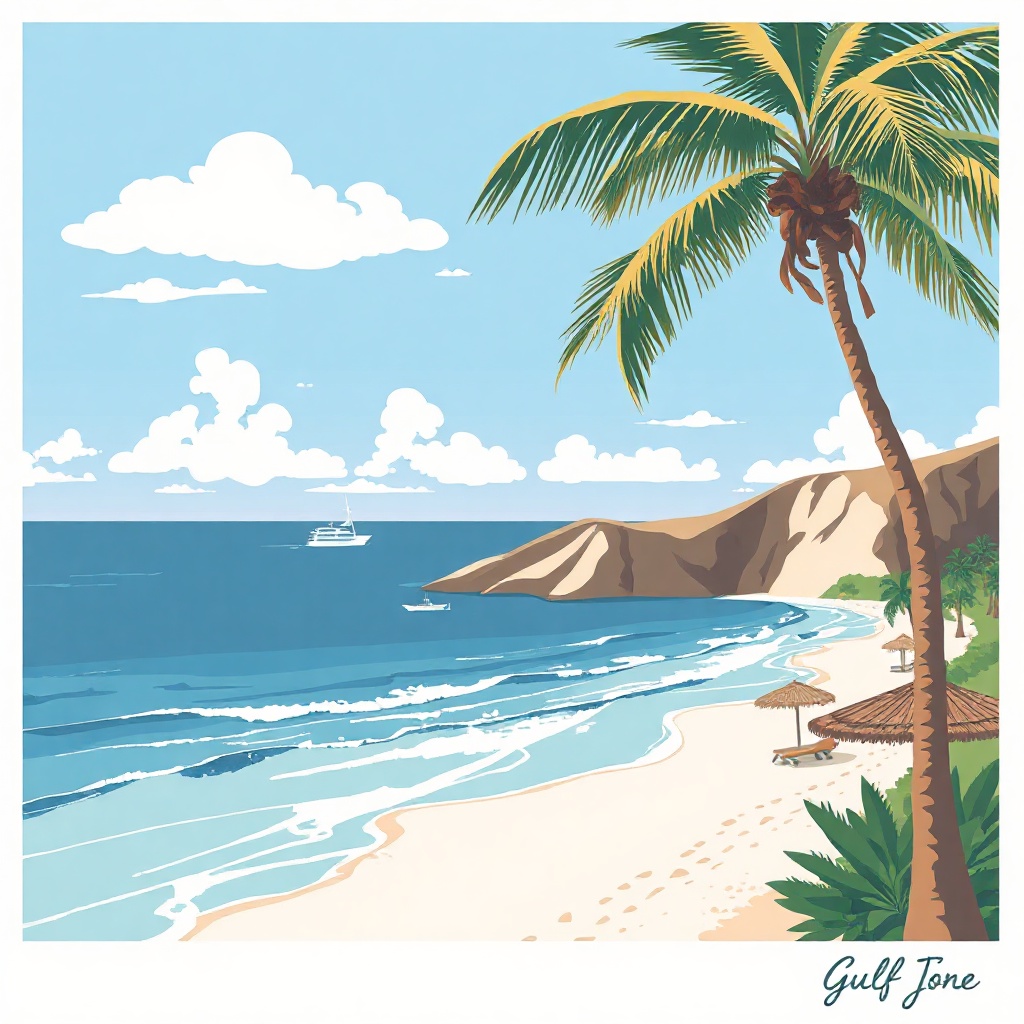
Few coastal landscapes combine warm water, gentle waves, and thriving wildlife like Gulf beaches. From wide, sugar-fine sand strands to fringes of mangroves and seagrass beds, these shorelines offer easygoing recreation and vital habitat.
Understanding what makes Gulf beaches special—and how to enjoy them responsibly—keeps them healthy for residents and visitors alike.
What makes Gulf beaches unique
Gulf beaches are often characterized by sheltered waters, slow-moving tides, and sand that ranges from silvery white to golden. These conditions support extensive seagrass meadows, salt marshes, and mangrove systems that act as nurseries for fish and shellfish and feed migratory birds. Many Gulf coastlines are also critical nesting sites for sea turtles and habitat for shorebirds that depend on undisturbed dunes and tidal flats.
Common pressures on Gulf shorelines
Development, coastal erosion, marine debris, and pollution pose persistent threats. Heavy visitation can compact sand and damage dunes; coastal construction alters natural sediment flows and increases vulnerability to storms. Marine debris—especially single-use plastics and fishing gear—harms wildlife and degrades the visitor experience. Climate-related shifts in storm patterns and sea level can intensify erosion and habitat loss, putting both nature and infrastructure at risk.
Conservation approaches that work
Restoration projects focused on dunes, living shorelines, and seagrass recovery are proving effective. Dune restoration using native vegetation stabilizes sand and provides nesting habitat, while living shorelines—created from natural materials—offer erosion control without the hard impacts of seawalls. Beach nourishment can restore recreational space, though it’s most effective when paired with habitat protection and smart planning. Community-driven initiatives like beach cleanups, citizen science monitoring, and turtle nest patrols also make a measurable difference.
How visitors can help
– Respect protected areas and posted signs. Stay off marked dune vegetation and nesting areas.
– Choose reef-safe sunscreen to reduce chemical stress on seagrasses and reefs.
– Pack reusable items—water bottle, food containers, and bags—to cut single-use plastic waste.
– Follow flag systems and local advisories for rip currents and water quality. Gulf waters can look calm but still produce strong currents; swim near lifeguards when available.
– Avoid handling marine life.
If you encounter a stranded animal, note its location and contact local wildlife responders rather than attempting rescue without guidance.
– Join local cleanups or donation-supported conservation programs to multiply your impact.
Wildlife viewing tips
Early morning and late afternoon are prime times for shorebird and dolphin activity, and lower tides reveal tidal pools rich with small marine life. Use binoculars and long lenses to observe from a distance—minimizing disturbance is crucial, especially during breeding and nesting seasons. Bright lights at night can disorient turtle hatchlings; beachfront properties and visitors can help by minimizing light pollution and shielding necessary lighting.
Balancing use and protection
Gulf beaches support recreation and coastal economies, but long-term enjoyment depends on balancing human use with habitat protection. Smart policy, community stewardship, and individual actions together maintain the scenic beauty and ecological productivity of these shores. When visitors prioritize safety and conservation, Gulf beaches remain resilient places for wildlife and people to connect with the coast.