
 Emma Jantzen
 Gulf Seafood Guide: Freshness, Sustainability & Top Recipes
Gulf seafood has a reputation for bold flavor and incredible variety, from delicate oysters and plump shrimp to robust snapper and silky grouper.
Whether served raw on the half shell, simmered in a spicy stew, or blackened on the grill, seafood from the Gulf region delivers a taste that reflects coastal ecosystems, culinary traditions, and a thriving fishing economy.
What makes Gulf seafood special
– Diversity: Shallow estuaries, river outflows, and offshore reefs support a wide range of species—white shrimp, brown shrimp, blue crab, oysters, red snapper, grouper, and more—each with a distinct texture and flavor profile.
– Freshness: Proximity between harvest areas and coastal markets helps keep supply chains short, which preserves taste and nutritional quality.
– Culinary tradition: Regional dishes like seafood boils, gumbo, oyster roasts, and blackened fillets showcase local techniques that highlight natural flavors.
Sustainability and fisheries management
Gulf fisheries are managed through a mix of science-based assessments, catch limits, seasonal closures, and gear improvements designed to reduce bycatch.
Aquaculture—especially oyster farming and controlled shrimp production—has grown as a way to relieve pressure on wild stocks while supplying consistent product. Look for sources that disclose harvest methods and certifications from recognized programs if sustainability is a priority.
Health and nutrition benefits
Seafood from the Gulf is an excellent source of lean protein, essential omega-3 fatty acids, and micronutrients like selenium and vitamin D. Regular, varied seafood consumption supports heart and brain health and contributes to a balanced diet. Preparation methods that preserve natural fats—grilling, steaming, or broiling—maximize nutritional benefits while keeping calories in check.
Choosing and storing Gulf seafood
– Fresh fish: Look for bright, clear eyes, firm flesh that springs back when pressed, and a mild ocean scent rather than a strong fishy odor.
– Shellfish: Live shellfish like oysters and clams should have tightly closed shells or close when tapped. Discard any that remain open.
– Shrimp and crab: Firm texture and a fresh, slightly sweet aroma are signs of quality.
Store fresh seafood on ice or in the coldest part of the refrigerator and use within a couple of days, or freeze for longer storage. Thaw frozen seafood slowly in the refrigerator or under cold running water to maintain texture.
Safety considerations
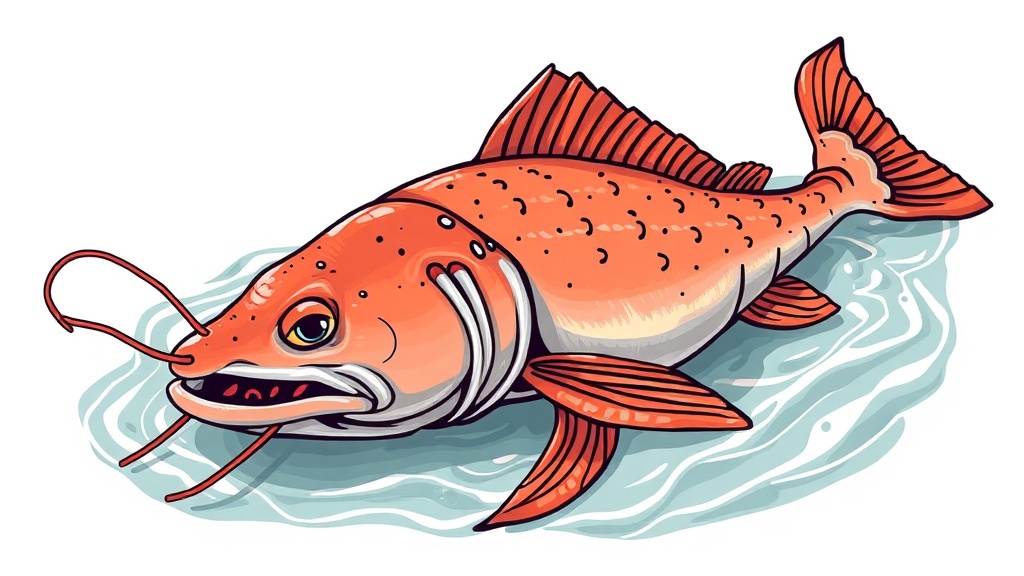
Harmful algal blooms can affect water quality and shellfish safety in some coastal areas.
Always consult local health advisories and shellfish watch reports before harvesting or buying wild shellfish. Proper cooking destroys many pathogens, but for certain toxins associated with algal blooms there is no heat treatment—relying on tested, certified product is essential.
Cooking ideas
– Simple gulf shrimp: Sauté with garlic, lemon, and a touch of butter or olive oil for a quick weeknight meal.
– Blackened fish: Coat firm fillets with a bold spice rub and sear in a hot cast-iron pan for a crisp crust and tender interior.
– Oyster roast: Steam or grill oysters and serve with mignonette or spicy butter for a communal, celebratory dish.
– Seafood gumbo: Combine shredded seafood, sausage, and vegetables in a rich roux-based broth for a comforting, flavor-packed stew.
Supporting coastal communities
Buying directly from local fishers, farmers’ markets, and certified suppliers strengthens coastal economies and helps maintain the cultural heritage tied to seafood. When choosing Gulf seafood, prioritize transparent sourcing, responsible harvest methods, and seasonal variety to enjoy the best flavors while supporting long-term health of the fisheries.
0 Comment