
 Emma Jantzen
 Gulf Seafood Guide: How to Buy, Cook, and Support Sustainable Catch
Gulf seafood remains a cornerstone of coastal cuisine and coastal economies, prized for its fresh flavor, diversity, and cultural importance.
From plump Gulf shrimp and briny oysters to firm red snapper and sweet blue crab, the Gulf’s catch offers something for every palate. Understanding what makes Gulf seafood distinctive — and how to choose, cook, and support it responsibly — helps consumers get the best taste while protecting marine resources.
What sets Gulf seafood apart
The Gulf’s warm, nutrient-rich waters support fast growth and diverse species. That results in seafood with bold, clean flavors and firm textures that hold up well to a wide range of cooking methods. Local fishing traditions and family-run boats keep many Gulf products connected to place and seasonality, offering a sense of terroir similar to wine or produce.
Sustainability and fisheries management
Fisheries management and aquaculture practices have advanced to balance harvest with conservation. Many Gulf fisheries follow science-based quotas, mandatory reporting, and gear restrictions designed to reduce bycatch and habitat damage. Oyster farming, in particular, has expanded as a low-impact aquaculture option that also improves water quality by filtering and cycling nutrients. Look for seafood certified by reputable sustainability programs or labeled with transparent sourcing information.
Safety and environmental concerns
Natural events such as harmful algal blooms can affect shellfish safety, and localized pollution or runoff occasionally impacts nearshore waters. Monitoring programs and routine testing are in place to protect consumers; reputable sellers will remove affected shellfish from the market and post advisories when necessary. Purchasing from trusted fishmongers, certified dealers, or direct-from-boat sellers who follow testing protocols reduces risk.
How to buy Gulf seafood with confidence
– Ask the source: Prefer vendors who can name the fishing area, vessel, or farm.
– Check freshness: Fish should smell like the sea, not ammonia; shrimp should be firm and translucent; oysters should be alive and tightly closed or close when tapped.
– Look for labels: “Wild-caught” or “farm-raised” plus certification seals provide useful context.
– Support local: Farmers’ markets and co-ops often sell freshly landed or farmed Gulf seafood and contribute directly to coastal livelihoods.
– Follow advisories: Pay attention to local shellfish safety notices and harvest-area closures.
Cooking tips and flavor pairings
Gulf seafood adapts well to many techniques.
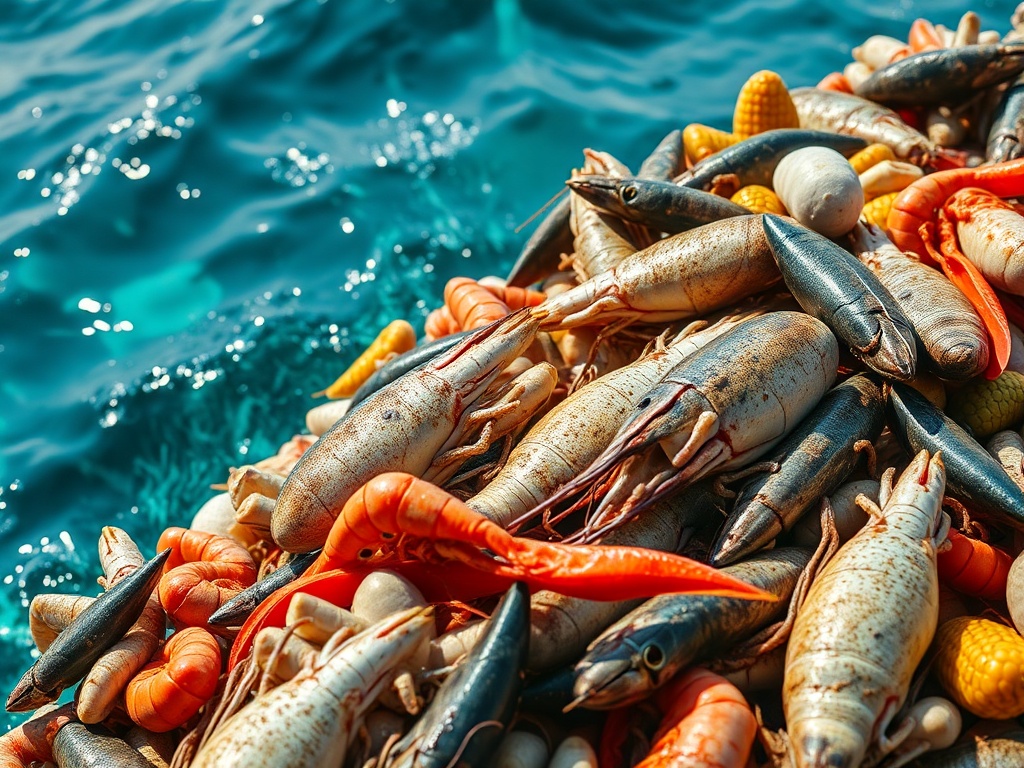
Shrimp and crab shine when simply sautéed, blackened, or used in stews and chowders where their sweetness complements spices and aromatics. Oysters can be enjoyed raw on the half shell, broiled with a savory topping, or incorporated into savory pancakes and po’boys. Firm fillets like snapper are ideal for grilling, baking en papillote, or lightly pan-searing. Acidic finishes — citrus, vinegars, or pickled relishes — brighten the natural richness, while herbs like parsley, cilantro, and thyme add fresh contrast.
A few pantry-friendly tips
– Keep it cold: Store seafood on ice or in the coldest part of the refrigerator and cook within a day or two for peak freshness.
– Don’t overcook: Seafood becomes rubbery quickly; aim for just opaque flesh and flaky texture.
– Re-use shells: Shrimp shells and fish bones make excellent bases for homemade stocks that intensify soups and sauces.
Supporting Gulf communities
Choosing Gulf seafood at restaurants and markets supports fisheries, processors, and coastal traditions that sustain jobs and culture.
Prioritizing sellers with ethical practices and transparent sourcing helps ensure those benefits persist alongside healthy marine environments.
Exploring Gulf seafood opens a world of flavor while connecting diners to place and people. Whether experimenting with a simple grilled fillet or sampling raw oysters from a nearby farm, mindful choices keep the Gulf thriving for future meals.