
 Emma Jantzen
 Gulf Seafood: How to Choose, Prepare, and Support Sustainable Catch
The Gulf’s seafood is prized for its bold flavors and coastal heritage, from plump Gulf shrimp and briny oysters to the firm, flaky fillets of red snapper. Whether you’re shopping at a fish market, ordering at a waterfront restaurant, or cooking at home, knowing how to choose, prepare, and support sustainable Gulf seafood makes a delicious difference.
What to look for: popular Gulf species
– Shrimp: A cornerstone of Gulf catches, shrimp are versatile and quick-cooking.
Frozen-at-sea shrimp often retain superior texture and flavor.
– Oysters: Gulf oysters are known for a rich, creamy brine. They’re also central to restoration and water-quality efforts along the coast.
– Red snapper and grouper: Firm-fleshed and adaptable to many preparations, these species are staples of Gulf tables.
– Blue crab and stone crab: Sweet meat perfect for steaming, boiling, or crab cakes.
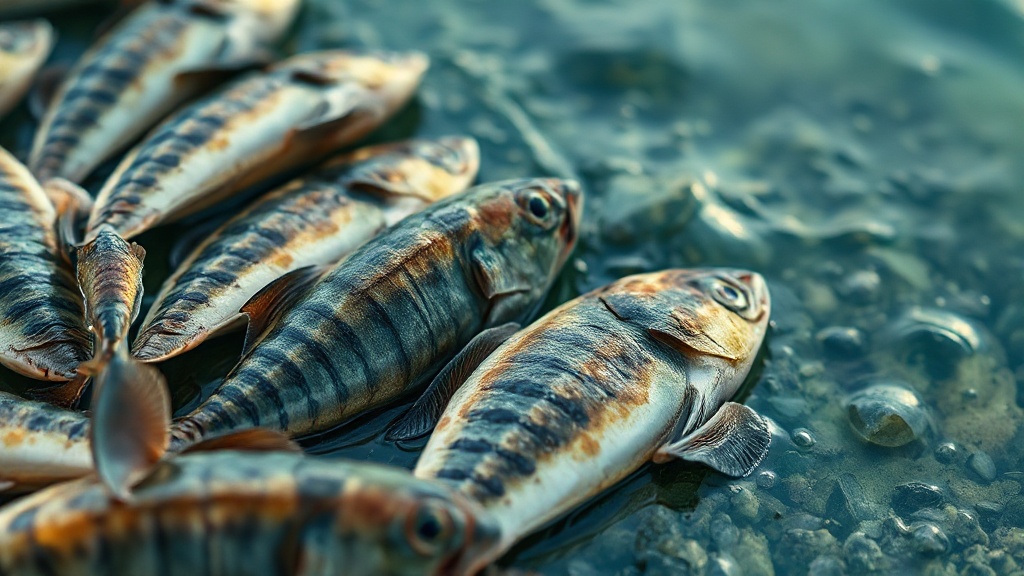
– Menhaden: Less visible on menus but vital to the ecosystem, providing food for larger fish and supporting fisheries indirectly.
Freshness and safety tips
– Smell: Fresh fish should smell mild and ocean-like, not overly fishy or sour.
– Texture: Flesh should be firm and resilient. Fillets that separate easily may be past their prime.
– Shellfish: Buy oysters, clams, and mussels that are alive—closed shells or shells that close when tapped. Discard cracked or broken shells.
– Local advisories: Harmful algal blooms such as red tide can lead to shellfish closures and respiratory irritation. Check state or regional seafood advisories before harvesting or consuming wild shellfish. Larger predatory fish can carry higher mercury levels; pregnant people and young children should follow consumption guidance from health authorities.
Sustainability and responsible choices
Gulf fisheries have seen active management and restoration efforts aimed at balancing harvest with ecological health. Look for seafood that is traceable and responsibly harvested:
– Certifications: Labels from recognized programs can help, but asking your fishmonger where and how the seafood was caught is also effective.
– Choose lower-trophic options: Small, fast-growing species often have a smaller environmental footprint than large predators.
– Support habitat restoration: Local oyster reef restoration projects and seagrass protection efforts help sustain fish populations and coastal resilience.
– Buy local and seasonal: Purchasing from local fishers or farmers markets not only supports coastal economies but reduces transportation impact and increases transparency.
Storage and simple cooking guidance
– Keep seafood cold: Store fresh fish on ice or in the coldest part of the refrigerator and use within a couple of days. Freeze if you won’t use it quickly—properly wrapped, most seafood freezes well.
– Basic doneness cues: Shrimp turn opaque and curl into a loose “C” when done; fish flesh should flake easily and be opaque throughout. Use a food thermometer if desired—fish is typically done when it reaches a safe internal texture.
– Quick preparations: Pan-seared snapper, grilled oysters with a squeeze of citrus, a simple shrimp sauté with garlic and herbs, or a classic Gulf-style boil highlight fresh flavors without fuss.
Buying and dining smarter
Ask your supplier about harvest method (wild-caught vs. farmed), seasonality, and whether the product was frozen at sea. When dining out, look for menus that list the catch location or name the local fishery.
Supporting businesses that prioritize traceability and responsible harvesting helps maintain healthy Gulf fisheries for the long term.
Gulf seafood offers vibrant flavors and a direct connection to coastal culture. With a few smart choices—checking advisories, prioritizing sustainability, and buying fresh—you can enjoy high-quality seafood while helping protect the Gulf’s marine resources.