
 Emma Jantzen
 How to Choose, Plant & Care for Magnolia Trees: A Complete Guide
Magnolia trees combine classic beauty with surprisingly adaptable garden performance. From large, glossy-leaved evergreens to delicate, early-blooming deciduous types, magnolias offer dramatic flowers, fragrance, and year-round structure. Whether you’re planting a single specimen or designing a mixed border, understanding basics of selection, care, and common problems will help these trees thrive.
Choosing the right magnolia
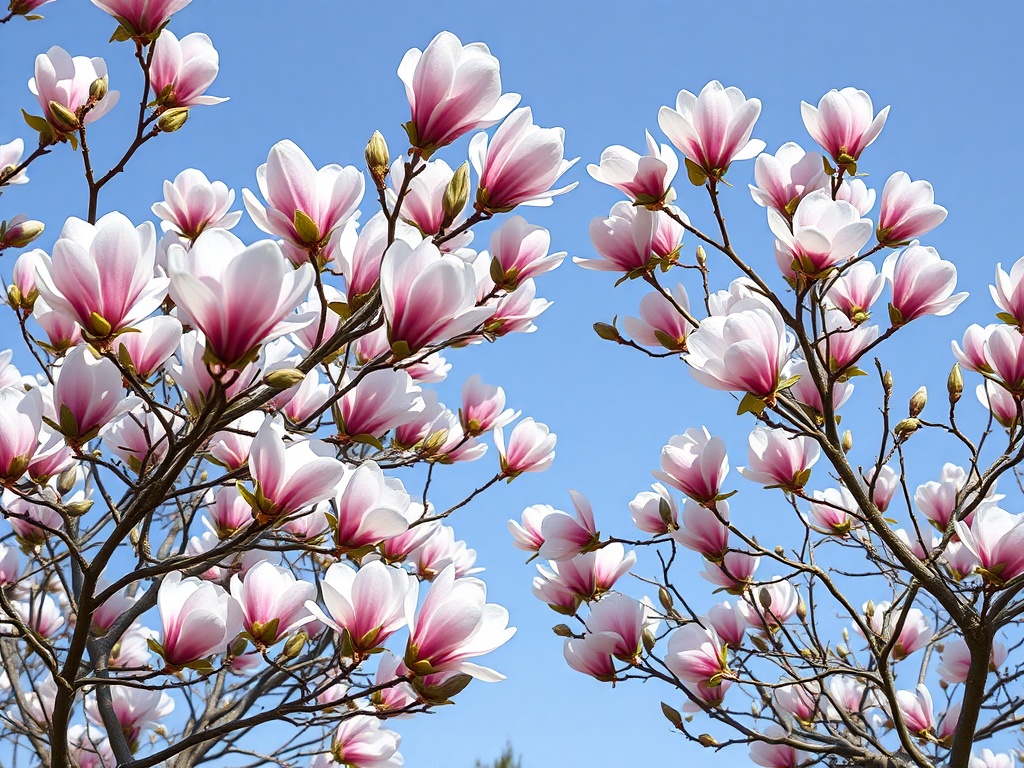
Match the species to the space and climate. Evergreen magnolias (like southern types) suit warm, sheltered sites and give year-round foliage, while saucer and star magnolias provide spectacular spring blooms but require room for their spreading habit.
For small gardens and patios, look for compact or dwarf cultivars; they preserve the iconic magnolia look without overwhelming the site. Consider bloom time and scent if fragrance or early-season interest is important.
Planting and site preparation
Magnolias prefer rich, well-drained soil with a slightly acidic to neutral pH. Pick a site with full sun to partial shade—morning sun and afternoon protection from harsh exposure help prevent scorch and bud damage. Avoid planting too deep: set the root flare slightly above soil level and backfill with native soil amended with compost. Apply a 2–4 inch mulch layer, keeping it a few inches away from the trunk to prevent rot and discourage rodents.
Watering and feeding
Newly planted magnolias need regular deep watering while roots establish. Once established, many are moderately drought-tolerant, but consistent moisture yields better flowering and leaf health.
Fertilize lightly in spring with a balanced, slow-release fertilizer or an acid-loving plant formula if soil is alkaline. Avoid heavy late-season nitrogen which can encourage tender growth vulnerable to cold or pests.
Pruning and maintenance
Most magnolias respond best to minimal pruning. Remove dead, damaged, or crossing branches, and do major shaping immediately after flowering for spring-flowering species to avoid cutting off next season’s buds. Use clean, sharp tools and make cuts back to a lateral branch to maintain natural form. Watch for shallow root zones; avoid compacting soil or planting under heavy foot traffic.
Propagation and establishing new trees
Magnolias are commonly propagated by grafting or semi-hardwood cuttings for named cultivars, while seed-grown trees may take many years to flower and can vary from the parent. Layering is an easy vegetative method for enthusiasts. Patience is key—many magnolias take time to reach maturity and produce their impressive blooms.
Pests, diseases, and common issues
Magnolia scale is a common pest on evergreen varieties; manage with dormant oil sprays, good hygiene, and encouraging natural predators. Leaf spots and powdery mildew are usually cosmetic and can improve with better air circulation and reduced overhead watering.
Poor drainage can lead to root rot; improve soil structure and avoid planting in heavy, waterlogged locations.
Frost damage on early bloomers can brown flowers—wait until foliage emerges before heavy pruning.
Landscape uses and benefits
Magnolias make striking focal points, fragrant accents near entrances, or mixed-species specimens in a layered garden. They support pollinators—magnolia flowers have ancient relationships with beetles and other insects—and provide seasonal interest from blooms, foliage texture, and form.
With thoughtful selection and basic care, magnolia trees repay attention with long-lived beauty and seasonal drama. Choose the right variety for your space, nurture roots and soil, and enjoy one of the garden’s most distinctive and rewarding trees.