
 Emma Jantzen
 How to Grow Magnolia Trees: Choosing, Planting & Care Tips for Every Garden
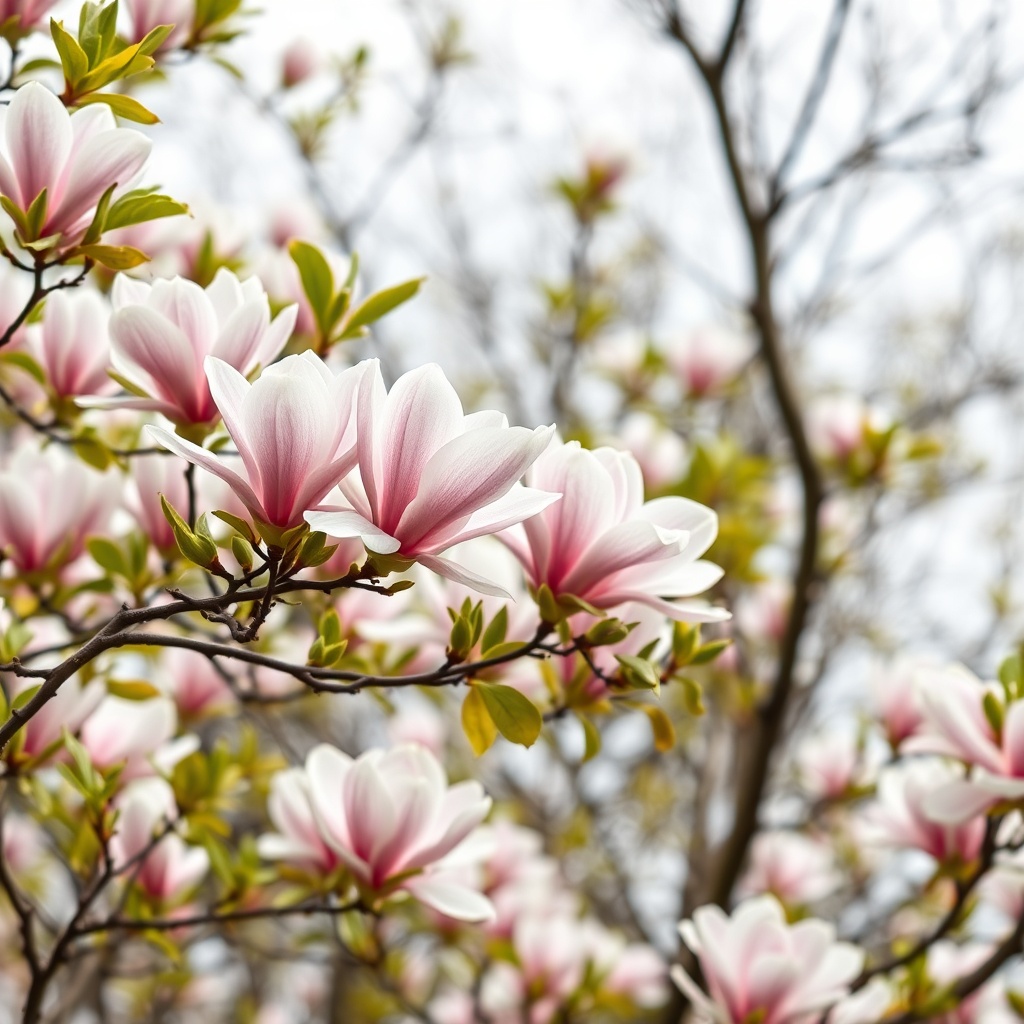
Magnolia trees combine dramatic blooms, lush foliage, and a timeless presence that suits formal gardens, suburban yards, and urban plantings. Known for large, often fragrant flowers and glossy leaves, magnolias offer variety for nearly every landscape — from compact shrubs to towering specimen trees.
Choosing the right magnolia
Select a variety that fits your space and climate. Evergreen types like southern magnolia offer year-round foliage and large, creamy flowers, while deciduous varieties such as saucer or lily magnolias provide bold spring displays and smaller winter silhouettes. Dwarf cultivars and star magnolias work well for small gardens or near foundations. Consider ultimate height and spread, cold hardiness, and bloom time when making a choice.
Planting and site selection
Magnolias prefer a site with morning sun and some afternoon shade, although many varieties tolerate full sun if soil moisture is steady. They thrive in rich, well-drained soil with slightly acidic to neutral pH. When planting, dig a hole about twice as wide as the root ball and set the tree so the top of the root ball sits slightly above surrounding soil — planting too deep invites root issues. Apply a 2–3 inch layer of mulch, keeping it pulled a few inches away from the trunk to prevent rot and encourage healthy root growth.
Watering and feeding
Newly planted magnolias need consistent moisture while roots establish.
Water deeply and infrequently rather than shallow, frequent watering; this encourages deeper root systems and drought resilience. Once established, many magnolias tolerate short dry spells but benefit from supplemental watering during prolonged heat.
Use a slow-release, balanced fertilizer in spring if growth appears sluggish, but avoid high-nitrogen feeds that promote foliage at the expense of blooms.
Pruning and maintenance
Minimize heavy pruning to preserve natural form and flowering potential. Light pruning to remove dead, crossing, or crowded branches is best done immediately after flowering for deciduous magnolias so you don’t remove next season’s buds. Evergreen magnolias can be lightly shaped in late winter or early spring. When cutting large limbs, use proper pruning techniques to encourage clean healing and reduce disease risk.
Propagation and transplanting
Magnolias can be propagated from seed, semi-hardwood cuttings, or grafting, though grafting is common for preserving cultivar characteristics. Seeds require stratification and patience, while cuttings need humidity and rooting hormone to succeed.
Transplanting mature magnolias is challenging due to their sensitive root systems; plan ahead and move them when small for best success.
Pests, diseases, and ecological value
Common issues include scale insects and magnolia borer; manage these with monitoring, good tree vigor, and targeted treatments when necessary. Poor drainage can lead to root rot, and leaf spot may appear in overly wet conditions. Magnolias have an ancient lineage and are often pollinated by beetles, supporting a small but valuable slice of garden biodiversity. Their flowers attract pollinators and the dense canopy provides shelter for birds.
Landscape uses and tips
Use a magnolia as a focal specimen, a privacy screen, or a patio-shading tree. For container gardening, choose a compact variety and provide consistent moisture and feeding. To maximize blooms and fragrance, place magnolias where their flowers can be enjoyed from windows, walkways, or sitting areas.
With thoughtful selection, proper planting, and modest maintenance, magnolias reward gardeners with dramatic seasonal displays, year-round structure, and a classic presence that enhances almost any landscape.
Explore varieties suited to your site and enjoy the memorable blooms and scent that make magnolias stand out.