
 Emma Jantzen
 Magnolia Tree Care: A Complete Guide to Choosing, Planting, and Maintaining Magnolias
Magnolia trees bring dramatic form, perfume, and long-lasting landscape value to gardens of many climates. With showy blooms, glossy foliage or delicate branching depending on variety, they can serve as a focal specimen, a screening hedge, or a cozy understory tree. Knowing the basics of selection and care helps ensure healthy growth and reliable flowering season after season.
Choosing the right magnolia
Magnolias range from compact shrubs to large canopy trees. Evergreen types, like the classic southern magnolia, hold glossy leaves year-round and offer large, fragrant white blooms. Deciduous magnolias, such as saucer and star varieties, burst into flower before or as leaves emerge, creating an unforgettable spring display. Select a variety that suits your mature space and climate: compact cultivars for smaller yards, larger species for parks or broad landscapes.
Site and soil
Most magnolias prefer a location with morning sun and some afternoon shade, though many do well in full sun if soil moisture is consistent.
They thrive in rich, slightly acidic, well-draining soil amended with organic matter.
Avoid heavy clay that remains waterlogged; poor drainage can lead to root rot.
Mulch generously around the root zone to conserve moisture, moderate soil temperature, and reduce weeds, keeping mulch a few inches from the trunk.
Planting and watering
When planting, dig a hole as deep as the root ball and wider than it to encourage lateral root growth. Position the tree so the root flare sits slightly above the surrounding soil to avoid burying the trunk. Water deeply after planting and during extended dry spells. Young magnolias benefit from consistent moisture while establishing; once mature, many species handle short dry periods but still perform best with occasional deep watering.
Pruning and maintenance
Minimal pruning is usually best. Prune lightly after flowering to shape or remove dead or crossing branches, avoiding heavy cuts that can stress the tree or reduce next season’s blooms.
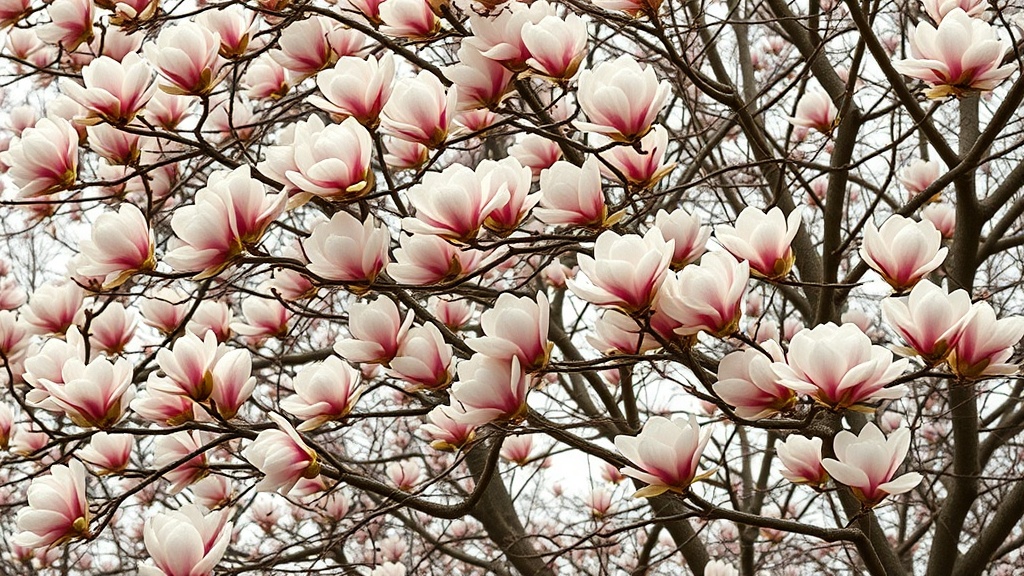
Because many magnolias set flower buds on old wood, late pruning risks removing developing blooms. Fertilize sparingly with a balanced formula if growth is sluggish, testing soil first to avoid over-application.
Propagation and growth habits
Magnolias can be grown from seed, but seedlings often vary from the parent and may take many years to bloom. Propagation by semi-ripe cuttings or grafting produces more consistent results and preserves cultivar traits.
Be mindful of root characteristics: many magnolias have shallow root systems, so avoid heavy lawn traffic and planting bulbs too close to the trunk.
Pests and diseases
Magnolias are relatively low-maintenance but occasionally face problems.
Scale insects, spider mites, and thrips can appear on stressed plants; natural predators, horticultural oils, or targeted insecticidal treatments can manage outbreaks. Fungal diseases like leaf spot or powdery mildew may occur in humid conditions—good air circulation, well-drained soil, and prompt removal of infected leaves help reduce issues.
Avoid wounding the trunk and branches to lower canker risk.
Landscape uses and companion planting
Use magnolias as dramatic entrance specimens, near a patio for fragrant flowers, or as a layered backdrop with understory shrubs and shade-tolerant perennials. Pair evergreen magnolias with azaleas, camellias, or ferns for year-round texture; mix deciduous magnolias with bulbs and spring perennials to highlight the short but spectacular bloom window.
With proper siting and gentle care, magnolia trees reward patience with stunning blooms, memorable fragrance, and bold architectural presence that enhances any garden setting.
0 Comment