
 Emma Jantzen
 Magnolia Tree Care: Choosing Varieties, Planting Tips, Watering & Pruning for Reliable Blooms
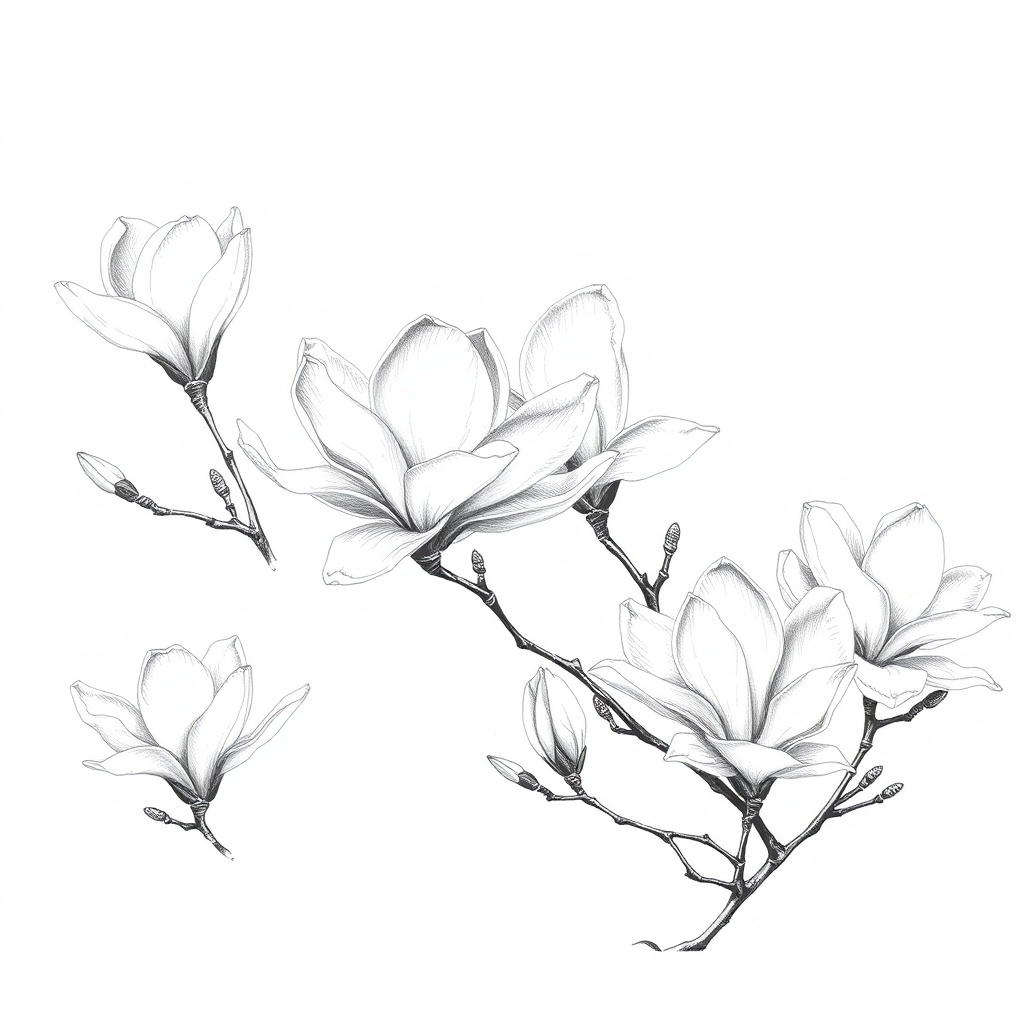
Magnolia trees are prized for dramatic flowers, glossy foliage, and a timeless presence in landscapes.
Whether you’re planting a sweeping specimen for a front yard or a compact variety for a patio, understanding magnolia habits and care helps ensure reliable blooms and long-term health.
Why magnolias matter
Magnolias offer bold, fragrant flowers that appear before or with leaves on many varieties, creating early-season interest. Their blooms attract pollinators and often become signature elements in residential and public gardens. With forms ranging from low-growing shrubs to large canopy trees, magnolias fit a wide range of garden designs.
Choosing the right variety
– Large evergreen: Southern magnolia (Magnolia grandiflora) delivers glossy leaves and large, fragrant white flowers; best for warm, sheltered sites.
– Early-flowering species: Saucer and star magnolias (hybrids and smaller species) produce abundant cups or star-shaped blooms on smaller trees or large shrubs.
– Compact options: Dwarf cultivars and smaller species suit small yards or containers.
Match the variety to your climate, exposure, and available space. Check mature height and spread before planting to avoid future clearance issues.
Planting and site selection
Pick a location with well-drained, fertile soil. Magnolias prefer slightly acidic to neutral soil and benefit from organic matter worked into the planting hole. Many do best in full sun to light afternoon shade; in hot climates, afternoon shade reduces leaf scorch. Avoid low spots where water pools—standing water can lead to root rot.
Planting tips:
– Dig a hole twice as wide as the root ball but no deeper than the root depth.
– Set the root flare at or slightly above ground level.
– Backfill gently, water thoroughly, and apply a 2–4 inch layer of mulch, keeping mulch away from the trunk.
Watering and feeding
Young magnolias need consistent moisture while establishing—deep weekly watering is better than frequent shallow watering.
Mature trees are moderately drought-tolerant but will flower and leaf best with regular moisture. Fertilize sparingly with a balanced, slow-release fertilizer in spring if growth is weak or leaves show nutrient deficiencies.
Pruning and maintenance
Minimal pruning is ideal. For spring-blooming magnolias, prune immediately after flowering to avoid cutting next season’s flower buds. Remove dead, crossing, or rubbing branches anytime. Avoid heavy pruning into old wood; magnolias don’t respond well to aggressive topping.
Propagating magnolias
Propagation can be done by seed, semi-hardwood cuttings, or grafting. Seeds require stratification and patience; cuttings from healthy wood tend to root more reliably for many garden cultivars.
Nursery-bought grafted plants ensure specific cultivar characteristics.
Common pests and diseases
Watch for scale insects, aphids, and caterpillars; natural predators and horticultural oils often provide control.
Leaf spot and powdery mildew occur in humid conditions; good air circulation, sanitation, and targeted fungicides help manage outbreaks. Root rot from poor drainage is a major problem—proper site selection prevents most cases.
Common mistakes to avoid
– Planting too deeply
– Using heavy clay without amending drainage
– Over-fertilizing with high-nitrogen feeds that promote foliage over flowers
– Pruning at the wrong time and cutting off future flower buds
With thoughtful selection and basic care, magnolia trees reward gardeners with years of fragrant blooms and elegant structure. Their versatility—ranging from stately evergreens to delicate early-flowering shrubs—makes them a lasting and attractive choice for many landscapes.
0 Comment