
 Emma Jantzen
 Magnolia Tree Care Guide: Best Varieties, Planting, Pruning & Problems
Magnolia trees are prized for dramatic blooms, glossy foliage, and a timeless presence in landscapes. Whether you want an evergreen screen, a fragrant patio specimen, or a compact variety for a small garden, magnolias offer options to fit many sites and climates.
This guide covers practical care, variety choices, and common problems so your magnolia flourishes.
Choosing the right magnolia
Start with the right variety for your space.
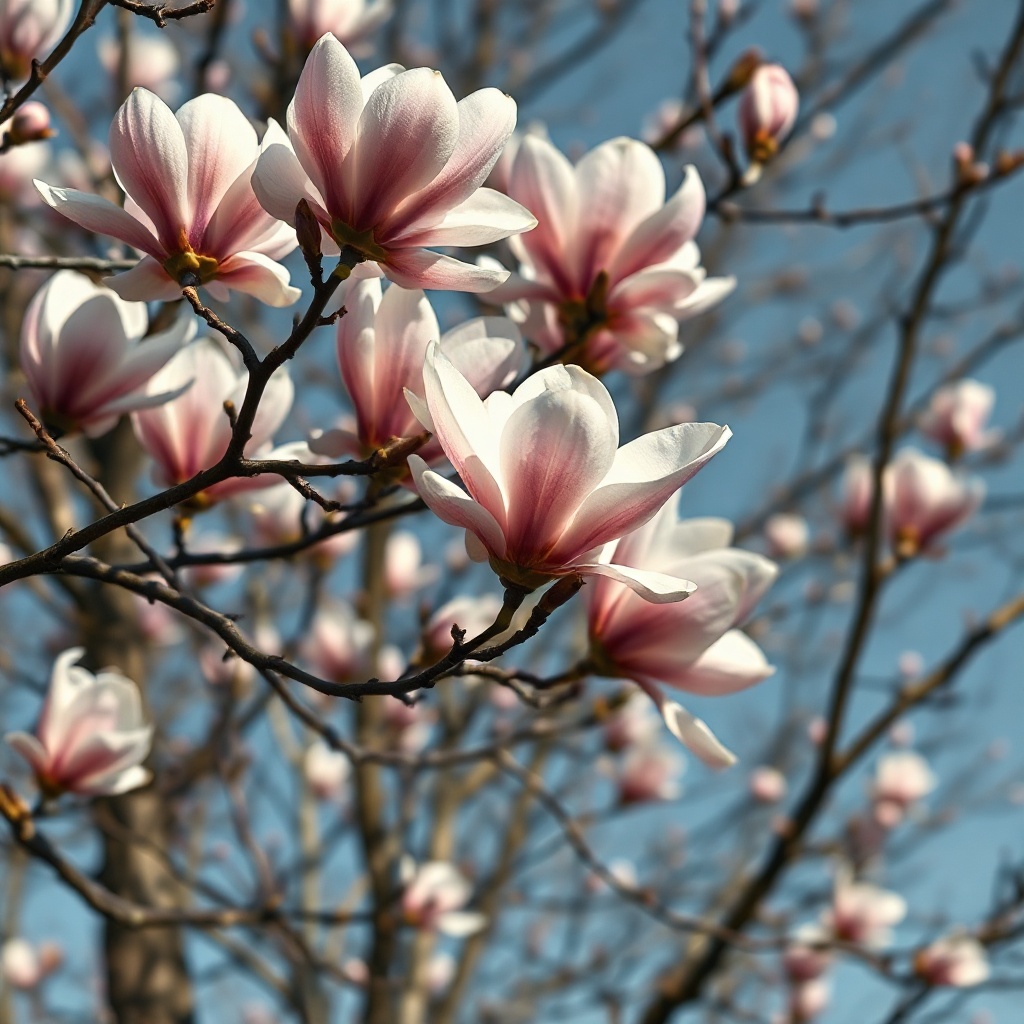
Evergreen southern magnolias are excellent for year-round screening and large landscapes, while saucer and star magnolias suit smaller yards and bring early-season color. Sweetbay magnolias work well in moist sites and tolerate partial shade. For patios and containers, look for dwarf cultivars bred for compact growth. Consider bloom time and hardiness for your local conditions, and pick disease-resistant cultivars where available.
Planting tips
Site selection drives long-term success. Magnolias prefer well-drained, slightly acidic soil and a sunny to partly shaded spot. Avoid planting too deep; the root flare should be visible at the soil surface. Dig a hole roughly twice the root ball’s width and backfill gently, tamping lightly to remove air pockets. Water thoroughly after planting to settle the roots.
Watering and mulching
Young magnolias need consistent moisture until established. Water deeply and infrequently to encourage deep roots, rather than frequent shallow watering.
Apply a 2–4 inch layer of organic mulch such as shredded bark, keeping it a few inches from the trunk to prevent rot. Mulch helps maintain soil moisture, moderates temperature, and suppresses weeds.
Fertilization and soil care
Most magnolias don’t require heavy feeding. A single application of a balanced slow-release fertilizer in spring can support growth if your soil is poor.
Test soil pH and nutrients if growth is weak.
Avoid high-nitrogen feeds that spur excessive foliage at the expense of blooms.
Pruning and shaping
Magnolias generally bloom on old wood, so pruning should be minimal. Remove dead, damaged, or crossing branches after flowering to maintain shape. Avoid heavy pruning late in the season when frost can damage fresh cuts and reduce next season’s blooms. When pruning is necessary, make clean cuts just outside the branch collar.
Pests and diseases
Healthy cultural practices prevent most issues. Common pests include scale insects and borers; inspect trunks and branches and treat scale with horticultural oil or targeted insecticidal products when needed. Fungal problems like leaf spot or powdery mildew can appear in humid conditions—improve air circulation, avoid overhead watering, and remove affected foliage.
Poor drainage can lead to root rot, so amend heavy clay soils or plant on a slight mound.
Propagation and care tips
Magnolias can be propagated from semi-hardwood cuttings and seed, though seed-grown plants may not retain parent traits. When transplanting, take care with roots; magnolia root systems are often shallow and sensitive to disturbance. Stake young trees only if necessary, removing supports after the first year to encourage strong trunk development.
Landscape uses
Use a magnolia as a focal specimen near terraces or entryways to showcase its flowers and fragrance. Smaller varieties make excellent additions to mixed borders or as companion plants under taller trees. Evergreen magnolias also serve as effective screens or windbreaks.
With thoughtful placement, modest pruning, and consistent cultural care, magnolias reward gardeners with long-lived structure, luxurious blooms, and fragrant charm that elevate any landscape.