
 Emma Jantzen
 Magnolia Tree Care Guide: Choosing Varieties, Planting Tips, Pruning & Pest Solutions
Magnolia trees combine bold architecture, heady fragrance, and long-lived resilience, making them standout choices for many landscapes. Whether you want a dramatic specimen, a fragrant street tree, or a compact variety for a small yard, there’s a magnolia that fits. This guide covers practical care, variety choices, and common problems so you can enjoy peak blooms and glossy foliage year after year.
Why magnolias are prized
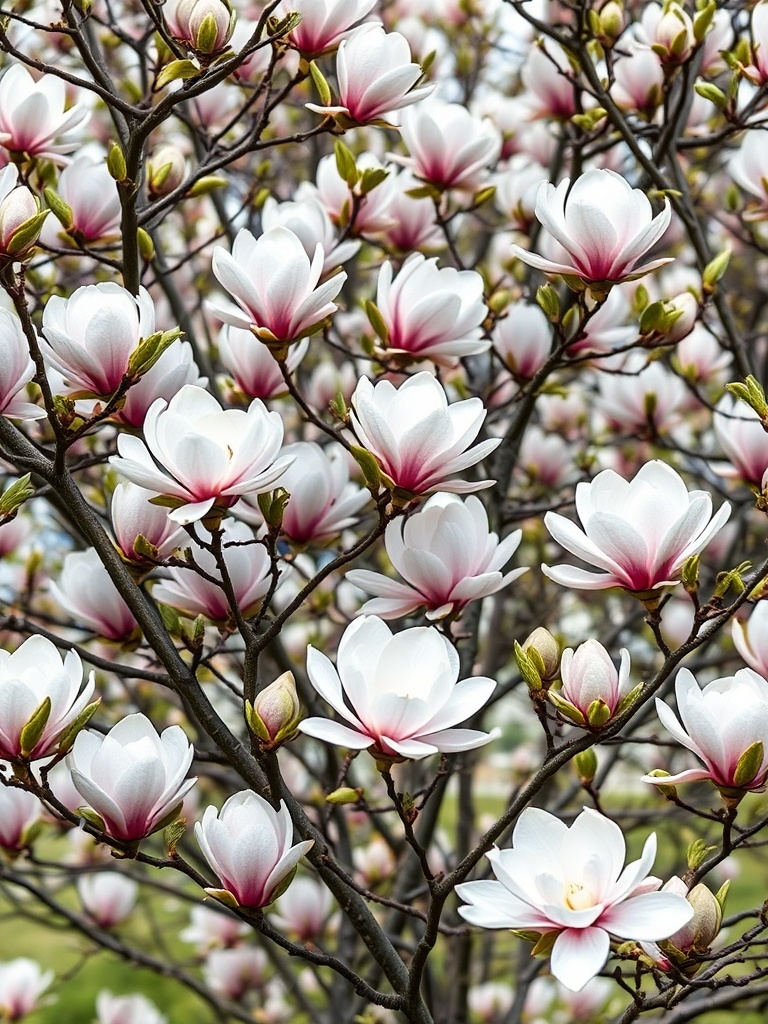
– Spectacular blooms: Many magnolias produce large, showy flowers in shades of white, pink, purple, and yellow. Deciduous types often bloom before or as leaves appear, creating a vivid spring display; evergreen magnolias provide year-round structure and glossy leaves.
– Fragrance and pollinators: Several varieties offer a strong sweet scent that perfumes the garden and attracts beetles and other pollinators.
– Versatility: Magnolias work as focal trees, street trees, hedging (for smaller cultivars), or container specimens for patios.
Choosing the right variety
– Evergreen vs. deciduous: Southern magnolia (Magnolia grandiflora) keeps lush foliage and large white blooms through much of the year in suitable climates. Star magnolia (Magnolia stellata) and saucer magnolia (Magnolia × soulangeana) are popular deciduous choices for dramatic early-season flowers.
– Size considerations: Mature heights range from compact multi-stem shrubs under 8 feet to towering specimen trees reaching 60 feet or more. Pick a variety that fits the available space and overhead clearances.
– Cold tolerance and local climate: Select a variety suited to your local minimum temperatures and humidity.
Nurseries and extension services can recommend cultivars adapted to nearby conditions.
Planting and care basics
– Site and soil: Magnolias prefer well-drained, slightly acidic soil and do best in full sun to light shade. Avoid heavy clay that stays saturated; if drainage is poor, amend soil or choose a raised planting bed.
– Planting technique: Dig a hole roughly twice the width of the root ball but no deeper than the container’s depth; position the root flare slightly above surrounding grade. Backfill gently and water thoroughly to settle soil.
– Mulch and watering: Apply a 2–4 inch layer of organic mulch, keeping it away from the trunk to prevent rot. Newly planted magnolias need consistent moisture until established; once mature they tolerate short dry spells but benefit from supplemental watering during extended drought.
– Fertilizing: Use a slow-release, balanced fertilizer if growth looks weak, and avoid over-fertilizing, which can stress roots and reduce bloom quality.
Pruning and maintenance
– Timing matters: Prune spring-flowering magnolias immediately after they finish blooming to avoid cutting off next season’s flower buds. Evergreen types generally need only light shaping; remove dead or crossing branches anytime.
– Avoid heavy pruning: Many magnolias resent deep cuts into old wood and can respond poorly to over-pruning. When possible, make selective cuts to preserve natural form.
Pests, diseases and solutions
– Common issues: Scale insects, aphids, and sooty mold can affect magnolias; heavy scale infestations are more common on southern evergreens.
Root rot can occur in poorly drained soils. Leaf spots may appear but seldom threaten mature trees.
– Management: Encourage beneficial insects, use horticultural oils or targeted insecticidal soaps for minor outbreaks, and improve drainage and cultural care to reduce disease risk.
Propagation and landscape uses
– Propagation methods: Magnolias are propagated by seed, cuttings, layering, or grafting. Seed-grown trees may take longer to bloom; layering or grafted specimens preserve parent characteristics.
– Design ideas: Plant a magnolia as a focal point near a patio or entrance, use compact varieties for small gardens, or combine with shade-tolerant understory plants that enjoy the dappled shade beneath the canopy.
With proper site selection and gentle care, magnolias reward gardeners with stunning blooms, fragrance, and timeless presence that enhance landscapes for decades. Consider your space and climate, choose an appropriate variety, and follow basic planting and maintenance steps to keep a magnolia thriving.
0 Comment