
 Emma Jantzen
 Magnolia trees
Magnolia trees: why they remain a standout choice for gardens and city streets
Magnolia trees continue to be prized for bold flowers, glossy foliage, and strong landscape presence. From compact flowering magnolias to towering southern magnolias, these plants offer options for small yards, mixed borders, and large-lot shade.
Understanding the right variety, siting, and care will help any gardener enjoy dramatic blooms and long-lived trees.
Choosing the right magnolia variety
– Flowering magnolias (saucer, star, and lily types) are often smaller, bloom reliably in spring, and suit small gardens or containers.
– Southern magnolia is an evergreen or semi-evergreen specimen with large, fragrant white blooms and leathery leaves—ideal for screening and large properties.
– Sweetbay magnolia combines fragrant flowers with partial shade tolerance and is a good fit for wetter soils.
– For tight spaces, look for cultivar names that include “compact,” “dwarf,” or specific cultivar selections bred for narrow growth.
Planting and location
Magnolias prefer a site with morning sun and some afternoon shade in hotter climates. They do best in well-drained, slightly acidic to neutral soil enriched with organic matter. Avoid planting too deeply; the root flare should sit at or just above soil level. Give young magnolias room to spread—many develop wide canopies as they mature.
Watering, mulching, and soil care
Newly planted magnolias need consistent moisture until established. Water deeply and less frequently rather than shallow daily watering. Apply a 2–4 inch layer of organic mulch, keeping it a few inches from the trunk to reduce disease risk and maintain soil moisture. Mulch also moderates soil temperature and encourages beneficial microbial activity.
Fertilizing and pruning
Magnolias are not heavy feeders.
A slow-release, balanced fertilizer applied in spring or tailored to soil test recommendations can support growth. Avoid high-nitrogen feeds that stimulate excessive leafy growth at the expense of blooms.
Prune sparingly and only when necessary—dead, crossing, or damaged branches should be removed. If pruning is needed to shape the tree, do it right after flowering for spring-blooming magnolias so you do not remove next season’s flower buds. For evergreens, prune lightly to maintain shape and remove safety hazards.
Common pests and diseases
Magnolias are generally resilient but can face issues such as scale insects, leaf spot, and root rot in poorly drained soils. Scale can be managed with horticultural oil in dormant times or targeted insecticides when populations are high.
Good cultural practices—proper siting, avoiding overwatering, and keeping mulch away from the trunk—reduce disease risk. If cankers or serious dieback appear, consult a certified arborist to assess and treat the problem.
Propagation and sustainability
Propagating magnolias from seed or cuttings is possible, though grafting is common for maintaining cultivar traits. Seed-grown trees may take longer to bloom but can be satisfying projects for patient gardeners. Selecting disease-resistant and climate-appropriate varieties supports long-term success and lowers maintenance.
Landscape uses and design ideas
Use magnolias as focal points, specimen trees, or mixed-border features. Their dramatic blooms create seasonal impact; glossy leaves and textured bark add winter interest. In urban settings, smaller cultivars or careful placement avoid conflicts with sidewalks and foundations.
Mixing underplantings of shade-tolerant perennials and spring bulbs can extend visual appeal from bloom through foliage season.
Magnolias pair well with plantings that echo their form and color—white-flowering shrubs, evergreen hedges, and naturalized bulbs.
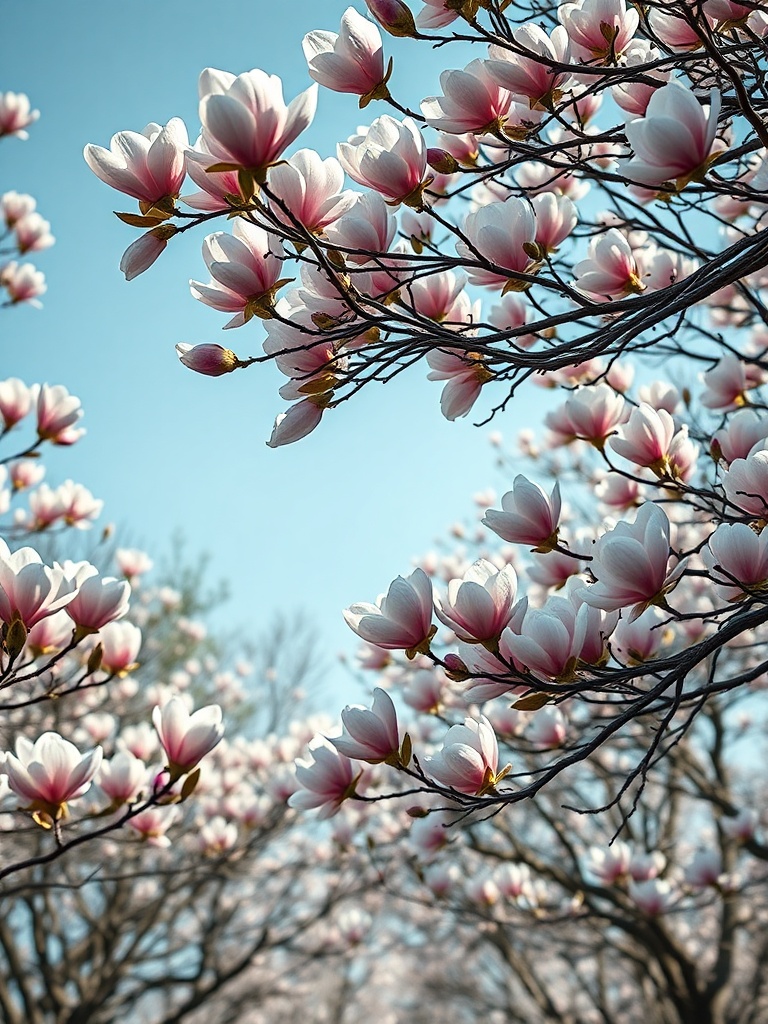
With thoughtful selection and care, magnolia trees reward gardeners with enduring beauty and fragrant, show-stopping blossoms that elevate any landscape.