
 Emma Jantzen
 Magnolia Trees: Complete Guide to Planting, Care, Pruning, Varieties & Pest Control
Magnolia trees are prized for their dramatic blooms, glossy foliage, and timeless presence in gardens and landscapes. Whether you choose a compact star magnolia for a small yard or a towering southern magnolia for a grand avenue, these trees offer year-round interest and relatively straightforward care when planted and maintained correctly.
Why magnolias stand out
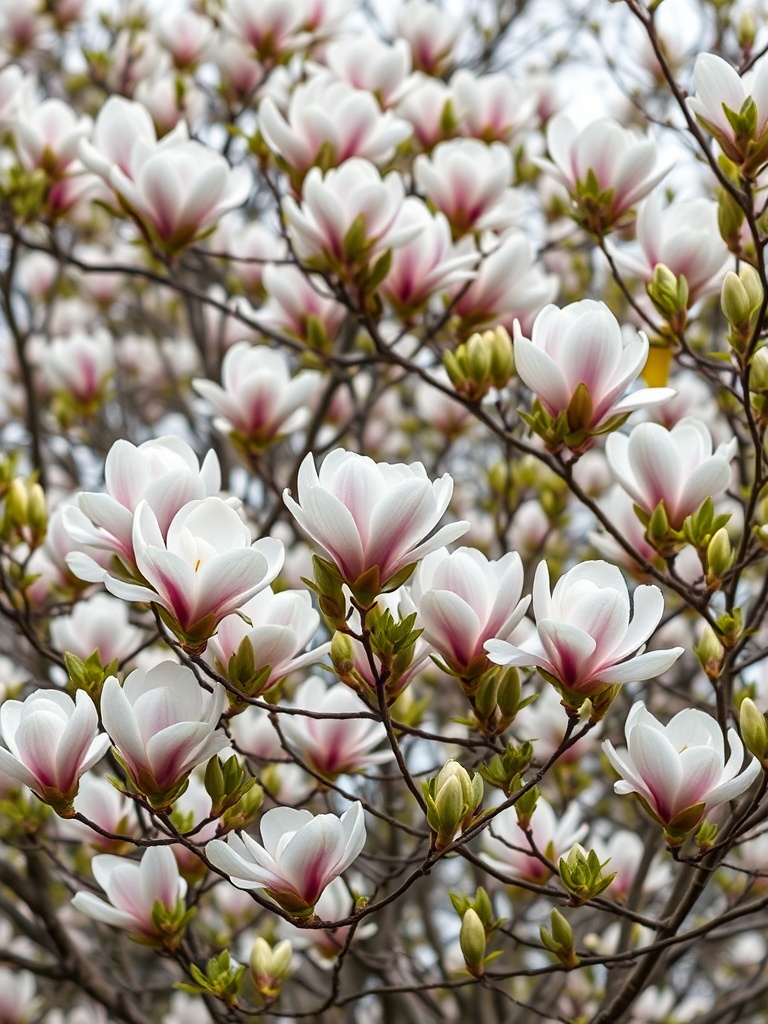
Magnolias produce large, often fragrant flowers made of tepals (petal-like structures) that open before or with the leaves, creating a stunning seasonal display. They range from deciduous types that herald spring with saucer or star-shaped flowers to evergreen species with leathery leaves and huge creamy blossoms. Many varieties attract pollinators like bees and beetles, and their dense branches provide shelter for birds.
Planting and siting tips
– Light: Most magnolias flower best in full sun to part shade.
In hot climates, afternoon shade can prevent leaf scorch.
– Soil: Aim for rich, well-drained soil with consistent moisture. Slightly acidic to neutral pH suits most magnolias.
– Spacing: Allow adequate room for mature spread; many magnolias have broad, spreading canopies and vigorous root systems.
– Planting technique: Plant at the same depth the tree sat in the nursery, keeping the root flare visible. Dig a hole wider than the root ball and backfill with native soil, avoiding excessive amendments that can create a planting “pot.”
Watering, feeding and mulching
Young magnolias need regular watering to establish a deep root system. Apply a 2–3 inch layer of organic mulch around the root zone, keeping it pulled back from the trunk to prevent rot. Feed lightly with a balanced slow-release fertilizer in spring if growth looks pale or sparse; avoid high-nitrogen formulas that favor foliage at the expense of blooms.
Pruning and blooming
Prune magnolias sparingly.
Remove dead, crossing, or rubbing branches any time, but reserve shaping cuts for immediately after flowering on spring-blooming types to avoid removing next season’s buds. Evergreen magnolias tolerate more flexible pruning timing but still respond best to minimal intervention.
Propagation options
Magnolias can be propagated from seed, cuttings, or layering. Seed-grown plants may take many years to flower and can vary from the parent. Softwood cuttings taken in early summer and treated with rooting hormone can produce reliable clones of the parent cultivar, while grafting is common for preserving named varieties.
Common pests and diseases
Magnolia scale is a notable pest that produces sticky honeydew and can lead to black sooty mold; dormant oil sprays and timely removal of heavy infestations help control it. Fungal leaf spots and cankers can be reduced through good air circulation, avoiding overhead watering, and cleaning up fallen debris. Maintaining tree vigor through proper watering and mulching reduces susceptibility to most problems.
Landscape uses and benefits
Magnolias make excellent focal points, street trees, or privacy screens depending on species. Their early-season flowers and fragrant blooms are ideal for cutting into arrangements. They also support local ecology by providing habitat and occasional food resources for insects and birds.
Choosing the right magnolia and providing consistent, minimal care rewards gardeners with decades of beauty and presence. Select a variety suited to your climate and space, plant thoughtfully, and enjoy the dramatic, floral statements magnolias bring to the landscape.