
 Emma Jantzen
 Magnolia Trees: The Complete Guide to Planting, Care, and Best Varieties
Magnolia trees remain a standout choice for gardeners and landscapers who want dramatic blooms, heady fragrance, and year-round structure. With species and cultivars ranging from compact, star-shaped-flowering shrubs to towering evergreen specimens, magnolias adapt to many landscape roles — from a fragrant focal point to a screening hedge.
Why magnolias are prized
Magnolias are prized for their large, often fragrant flowers that attract pollinators such as bees and beetles. Flower forms vary: star magnolias produce delicate, spidery blooms; saucer and tulip magnolias offer broad, cup-shaped blossoms; and southern magnolias bring glossy evergreen foliage and large, creamy flowers.
Beyond floral display, many varieties offer attractive seed pods and textured bark that add winter interest.
Choosing the right type
Select a species that fits the planting space and climate. Smaller varieties suit urban gardens and tight spaces, while large species are ideal for parks and estates.
Consider bloom timing: some magnolias flower early in spring, others later, and a few bloom into summer. Evergreen magnolias provide year-round screening and contrast well with understory shade plants.
Planting and soil preferences
Magnolias prefer well-draining, slightly acidic to neutral soil and benefit from organic matter. When planting, dig a hole roughly twice the diameter of the root ball and position the root flare slightly above grade to improve drainage.
Mulch the root zone to retain moisture and moderate soil temperature, keeping mulch a few inches away from the trunk to prevent rot.
Watering and feeding
Young magnolias need regular deep watering to establish a strong root system. Once established, many species tolerate short dry spells but will perform best with consistent moisture. Apply a balanced, slow-release fertilizer sparingly in spring if growth appears slow; avoid heavy feeding, which can encourage soft flushes vulnerable to late frosts.
Pruning and maintenance
Prune magnolias minimally.
Light shaping can be done after flowering for spring-blooming types to avoid cutting off next-season’s buds. Remove dead, crossing, or rubbing branches any time of year to maintain structure. Major pruning should be avoided because magnolias can produce large, gappy wounds that take time to seal.
Pest and disease considerations
Common pests include magnolia scale and borers; early detection is key.
Horticultural oil in spring can help control scale, and targeted insect treatments may be needed for severe infestations.
Fungal leaf spots and root rot are more likely in poorly drained soils, so improving drainage and practicing good sanitation—removing dropped leaves and debris—reduces disease pressure.
Propagation and cultivar selection
Magnolias can be grown from seed, cuttings, or grafted onto rootstocks for selected cultivars.
Many prized garden magnolias are grafted to preserve desirable traits such as flower color, form, and hardiness.
When choosing cultivars, prioritize those noted for disease resistance, bloom reliability, and size appropriate to your site.
Design tips
Group magnolias with acid-loving understory plants like azaleas, rhododendrons, ferns, and hostas to create layered, textural planting beds. Use evergreen magnolias as privacy screens or specimen trees in a lawn where their form and fragrance can be fully appreciated.
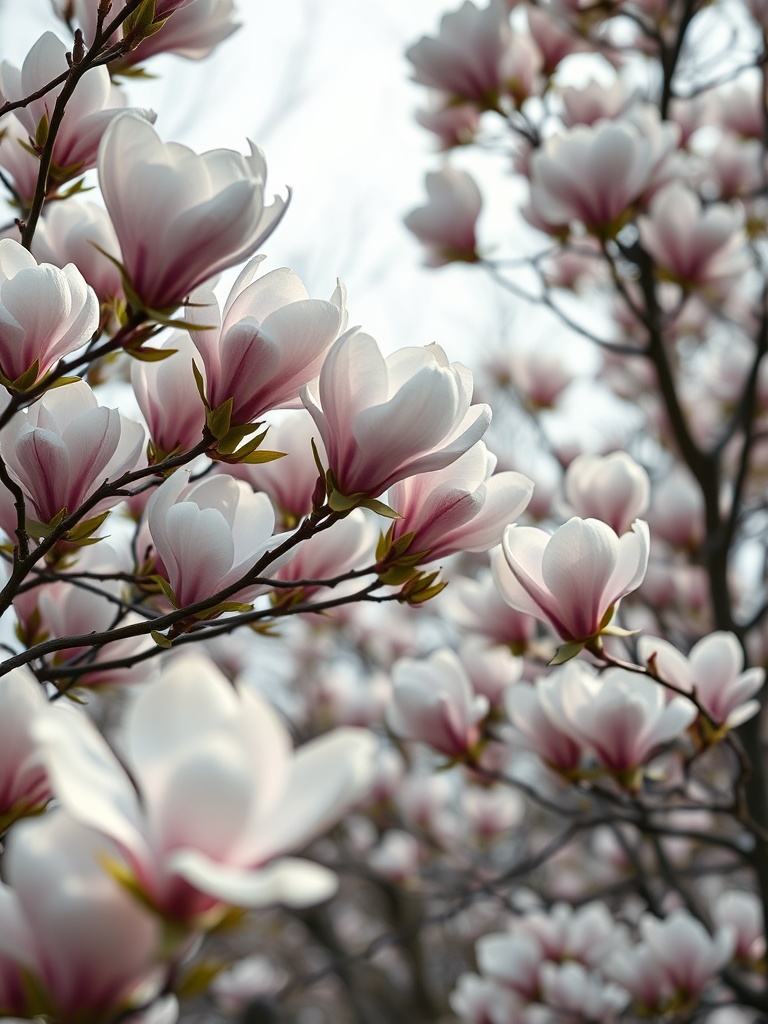
Whether you seek a fragrant focal point, seasonal drama, or evergreen structure, magnolias deliver a blend of beauty and presence. With thoughtful siting and basic care, they reward patience with unforgettable blooms and lasting landscape value.
0 Comment