
 Emma Jantzen
 Magnolia Trees: The Ultimate Guide to Choosing, Planting, and Caring for Fragrant Blooms
Magnolia trees combine dramatic blooms, glossy foliage, and a long-lasting presence that suits many landscapes. Whether you want a stately evergreen specimen or a compact, spring-flowering tree, magnolias deliver bold seasonal interest and memorable fragrance.
Here’s a practical guide to selecting, planting, and caring for magnolia trees so they thrive where you live.
Choosing the right magnolia
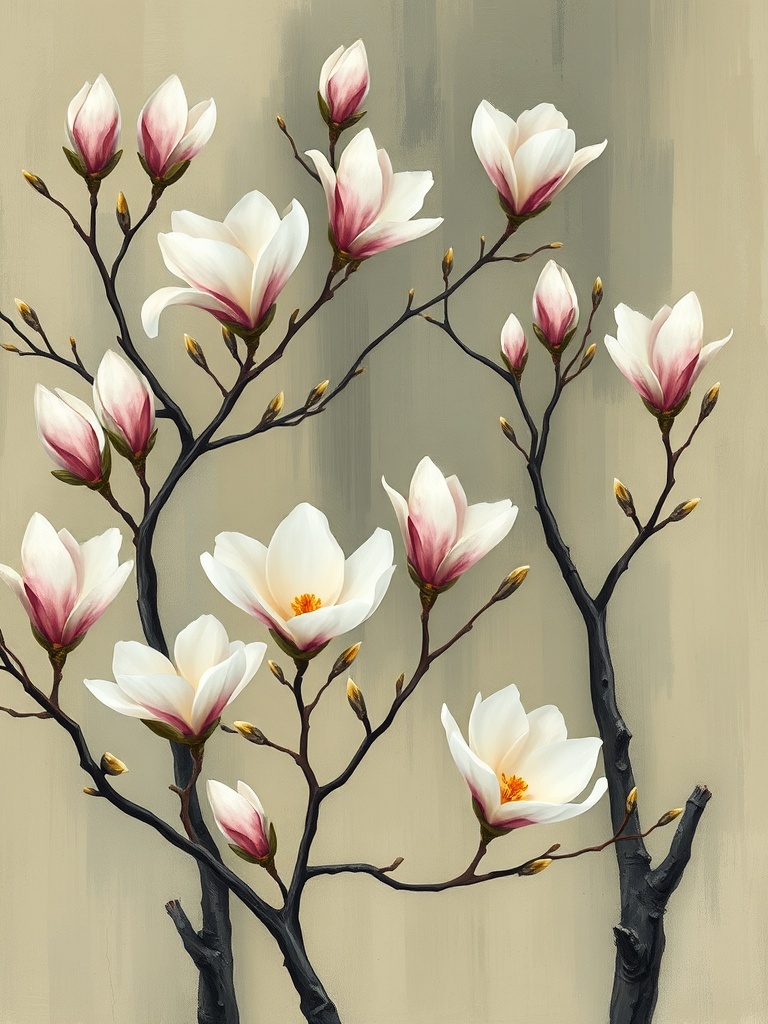
– Evergreen vs. deciduous: Evergreens like southern magnolia offer year-round foliage and large, fragrant white blooms. Deciduous types such as saucer and star magnolias produce spectacular spring flowers on bare branches, creating a showy display. Choose based on your climate and the seasonal effect you prefer.
– Size and habit: Some species grow into large shade trees, while others remain shrub-sized. Consider mature height and spread to avoid future crowding. Many modern cultivars are bred for smaller gardens.
– Flower type and scent: Petal shape, color, and fragrance vary widely.
If fragrance matters, sample blooms at a nursery or ask about scent intensity—some varieties are highly aromatic, others more subtle.
Planting and soil
– Light: Most magnolias perform best in full sun to partial shade. In hotter climates, afternoon shade helps protect flowers and leaves from scorch.
– Soil: Magnolias prefer well-draining, rich soil with a slightly acidic to neutral pH. Amend heavy clay with organic matter to improve drainage and root development.
– Mulch and planting depth: Apply a 2–4 inch layer of organic mulch, keeping it slightly away from the trunk. Plant so the root flare sits just above soil level; planting too deep can cause decline.
– Spacing and placement: Allow room for the canopy and root system.
Avoid planting close to foundations or under power lines.
Watering and feeding
– Watering: Newly planted magnolias need regular deep watering during establishment.
Once established, many tolerate moderate drought, but consistent moisture produces the best blooms and foliage.
– Fertilizer: Use a balanced slow-release fertilizer if growth is slow or leaves show nutrient deficiency. Avoid high-nitrogen feeds that encourage excessive foliage at the expense of blooms.
Pruning and maintenance
– Pruning timing: For spring-flowering magnolias, prune immediately after bloom to avoid cutting flower buds for next season. Evergreens can be lightly shaped as needed, but heavy pruning is rarely necessary.
– Technique: Remove dead or crossing branches and thin the canopy for air circulation. Use sharp, clean tools to make smooth cuts and reduce disease risk.
Pests and problems
– Common issues: Scale insects, aphids, and magnolia borer can affect trees. Scale often appears as small, immobile bumps on stems and leaves; horticultural oil and targeted insecticides help control outbreaks.
Magnolia borer damage is more likely on stressed trees—maintain tree vigor and remove heavily infested branches.
– Diseases: Leaf spot and powdery mildew occur in humid sites with poor air circulation. Good cultural practices—proper spacing, pruning, and sanitation—minimize problems.
Propagation and uses
– Propagation: Magnolias can be grown from seed, cuttings, or grafting.
Seed-grown trees may vary from the parent; grafted cultivars preserve specific traits.
– Landscape uses: Use magnolias as focal specimens, small lawn trees, or mixed borders. Their large flowers also make excellent cut blooms, and the seed pods attract birds when left on the tree.
Magnolias reward patience with long-lasting beauty and fragrance.
With the right selection and simple care—proper planting, watering, and occasional pruning—they become enduring highlights in many landscapes.