
 Emma Jantzen
 Magnolia Trees: The Ultimate Guide to Planting, Care, and the Best Varieties for Any Garden
Magnolia Trees: Planting, Care, and Best Varieties for Any Garden
Magnolia trees are prized for their dramatic flowers, glossy foliage, and distinct fragrance. Whether you’re planning a specimen for a small yard or a canopy tree for a larger landscape, understanding the right varieties and care techniques will help magnolias thrive and make a lasting impression.
Choosing the right magnolia
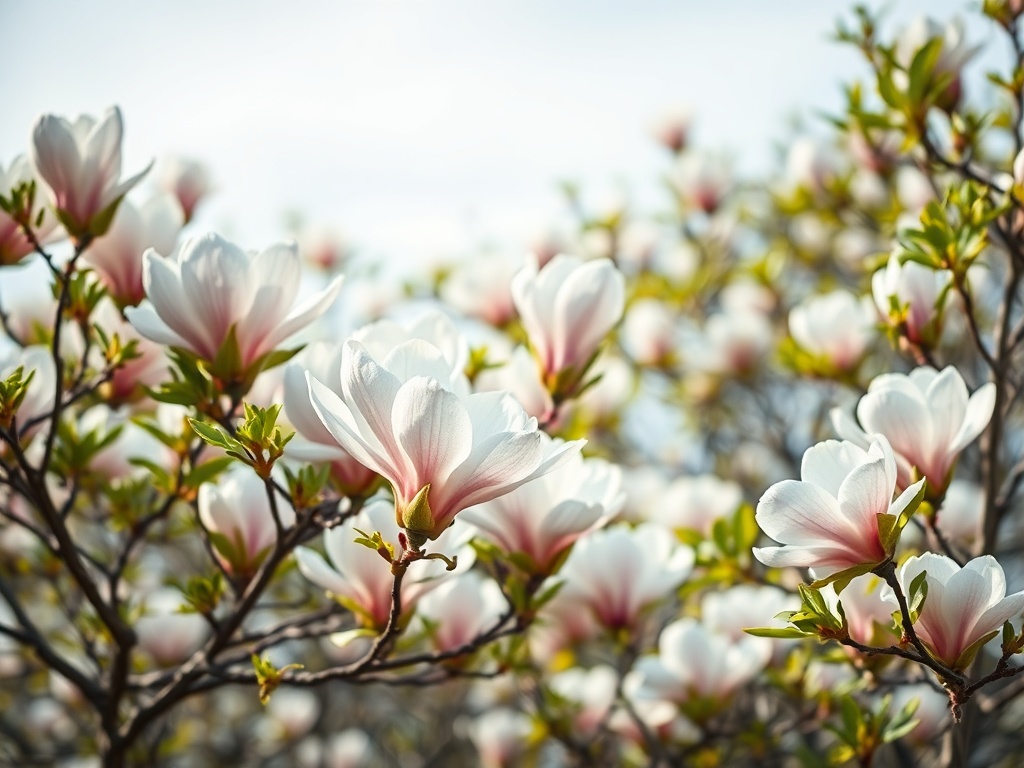
Magnolias range from compact shrubs to towering evergreen trees. Deciduous types like saucer and star magnolias bloom with saucer-shaped or star-like flowers in spring, offering bold color before leaves appear. Evergreen varieties, such as southern magnolia, provide year-round glossy leaves and large, fragrant blooms later in the season. For small yards or containers, look for dwarf cultivars or naturally compact species that keep a manageable size without sacrificing bloom quality.
Planting essentials
Pick a site with well-draining soil; magnolias do not tolerate standing water. They prefer slightly acidic to neutral soil and develop best in rich, loamy substrates. Most magnolias perform well in full sun to partial shade—full sun produces more flowers, while afternoon shade can protect blooms and foliage in hot climates.
When planting, dig a hole twice as wide as the root ball but no deeper, position the crown slightly above soil level to encourage root establishment, and backfill with native soil to avoid creating a root/soil interface that impedes drainage.
Watering and mulching
Newly planted magnolias need consistent moisture as roots establish. Water deeply once or twice weekly depending on rainfall and soil type; avoid frequent shallow watering that encourages weak roots.
Apply a 2–3 inch layer of organic mulch around the root zone, keeping mulch a few inches away from the trunk to prevent rot.
Mulch helps retain moisture, moderates soil temperature, and suppresses weeds.
Fertilizing and pruning
Magnolias are not heavy feeders.
If growth looks slow or leaves are pale, apply a balanced, slow-release fertilizer formulated for acid-loving plants in early growth periods.
Pruning should be minimal: remove dead or crossing branches and shape young trees lightly to establish a strong structure. Avoid heavy pruning of older magnolias, as many species respond poorly to drastic cuts and can produce water sprouts or lose their natural form.
Pests, diseases, and prevention
Common pests include scale insects and thrips; aphids can cause honeydew and sooty mold. Regular inspection and maintaining tree vigor are the best defenses. Treat localized infestations with horticultural oil or insecticidal soap, and consult a professional for larger problems. Root rot can occur in poorly drained soil—improve drainage and avoid overwatering. Leaf spots are usually cosmetic; remove affected leaves and maintain good airflow through proper spacing.
Propagation and lifespan
Magnolias can be grown from seed, cuttings, or grafting. Seed-grown trees often take longer to bloom and may not be true to parent characteristics.
Hardwood or semi-hardwood cuttings and grafting are common for preserving specific cultivars. Many magnolia species are long-lived; with proper care, they can be focal points in the landscape for decades.
Landscaping benefits
Beyond beauty, magnolias attract pollinators and provide wildlife habitat. Their dramatic blooms make them excellent specimen trees near entrances, patios, or open lawns.
For small spaces, container-friendly varieties or dwarf cultivars offer the same floral appeal without requiring a large footprint.
With thoughtful selection and simple care—proper siting, consistent watering during establishment, conservative pruning, and pest vigilance—magnolia trees will reward a garden with seasons of impressive flowers, fragrance, and evergreen presence.