
 Emma Jantzen
 Magnolia Trees: Why They Shine in Gardens — A Complete Guide to Choosing, Planting & Caring for Magnolias
Why magnolias remain a standout choice for gardens
Magnolia trees are prized for dramatic, fragrant blooms, glossy foliage, and a timeless presence in landscapes from city yards to large estates.
Whether you want a compact specimen for a small garden or a stately canopy tree, there’s a magnolia variety to match your needs. Here’s a practical guide to choosing, planting, and caring for magnolias so they thrive where you live.
Choosing the right magnolia
– Deciduous magnolias (such as star and saucer types) produce large flowers on bare branches, creating a spectacular spring display.
– Evergreen magnolias (like southern magnolia) keep glossy leaves year-round and deliver large, creamy blooms during warmer months.
– Dwarf and semi-dwarf cultivars suit containers or small urban yards, while classic landscape magnolias can become large shade trees.
Site selection and soil
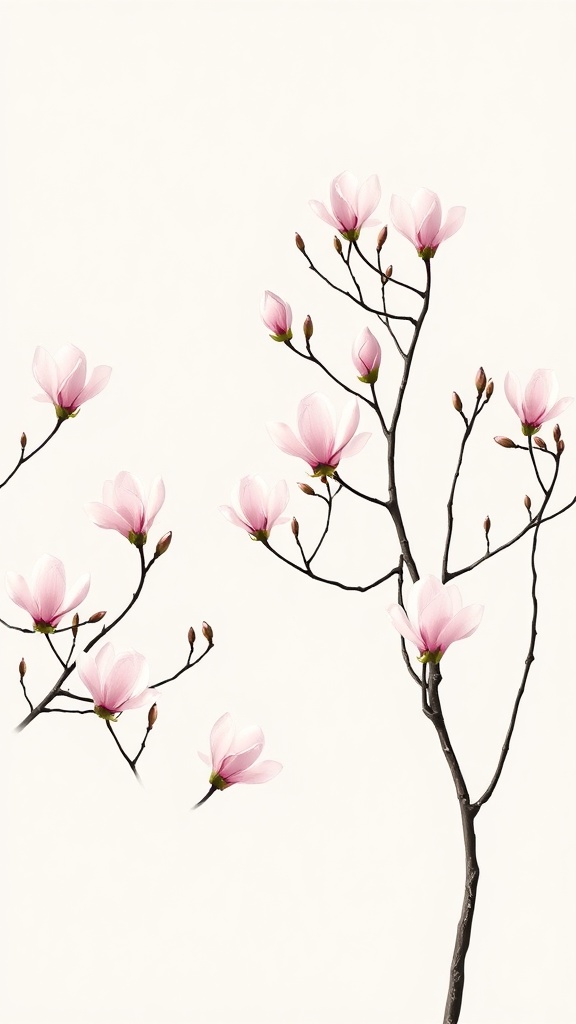
Magnolias prefer a sheltered site with full sun to partial shade. Morning sun with afternoon protection helps extend bloom life in hot climates. Well-drained, slightly acidic soil is ideal—magnolias don’t tolerate standing water.
If your soil is heavy clay, improve drainage by amending with organic matter or planting on a raised mound.
Planting tips
– Dig a hole twice as wide as the root ball and only as deep as the root collar; planting too deep stresses the tree.
– Backfill with native soil amended with compost, firm lightly, and water thoroughly to settle roots.
– Apply a 2–3 inch layer of mulch, keeping it away from direct contact with the trunk to prevent rot.
Watering and feeding
Young magnolias need consistent moisture while establishing; deep, infrequent watering encourages a healthy root system. Once established, many varieties tolerate moderate drought but will perform best with regular watering in dry spells.
Use a balanced, slow-release fertilizer in spring for nutrient support; avoid excessive nitrogen that can reduce flowering.
Pruning and shaping
Prune sparingly. For spring-flowering magnolias, prune immediately after bloom to avoid cutting off next season’s buds.
Remove dead, crossing, or rubbing branches as needed to maintain structure. Evergreen magnolias generally need only light shaping; heavy pruning can be stressful and may take years to recover.
Pests and diseases
Magnolias are relatively tough but can face issues such as scale insects, aphids, and leaf spot. Magnolia scale appears as hard bumps on branches and can be managed with horticultural oil or targeted treatments. Good sanitation—removing fallen leaves and maintaining tree vigor—helps prevent many diseases. For persistent problems, consult local extension resources for tailored, environmentally responsible control options.
Propagation and transplanting
Magnolias can be grown from seed, cuttings, or grafting. Seed-grown trees may take longer to flower and can vary from the parent plant; softwood cuttings with rooting hormone are a faster route for propagating clones. When transplanting, move trees during dormancy and keep root disturbance minimal.
Landscape uses and wildlife value
Magnolias make excellent focal points, foundation plantings, and street trees where space allows.
Their large flowers attract pollinators—many magnolias evolved alongside beetles—and the dense foliage offers shelter for birds.
The dramatic blooms also make magnolias popular for cut flowers and special occasions.
With the right variety and basic care, magnolia trees reward gardeners with seasons of fragrance, color, and architectural presence that elevate any landscape.