
 Emma Jantzen
 Master Cajun Cooking: Roux, One-Pot Recipes (Jambalaya, Gumbo, Étouffée) & Pantry Staples
Cajun cooking is a celebration of bold flavors, simple techniques, and resourceful ingredients — a cuisine built around one-pot meals, smoky spices, and the rhythmic layering of flavors. Whether you’re a home cook new to Cajun food or a seasoned enthusiast refining your roux, focusing on a few core principles will bring authentic taste to your kitchen.
Pantry staples and equipment
– The holy trinity: onion, celery, and bell pepper — the foundation of most Cajun dishes.
– Roux essentials: neutral oil or rendered bacon fat and flour for thickening and depth.
– Proteins: andouille sausage, shrimp, crab, chicken, and inexpensive cuts for slow simmering.
– Flavor boosters: garlic, bay leaves, thyme, cayenne, black pepper, and file powder (sassafras) used sparingly.
– Rice: long-grain for jambalaya, sticky short-grain is less typical.
– Cookware: heavy-bottomed Dutch oven or cast-iron skillet for even heat and good fond development.
Master the roux
A proper roux is the backbone of gumbo and many sauces. Heat equal parts oil and flour over medium-low heat, stirring constantly to avoid burning. Color is everything: a blond roux thickens and adds a nutty note, while a darker roux delivers deep, smoky richness but less thickening power. Patience is key — low, steady heat and a sturdy whisk or wooden spoon produce the best result. If you’ve never made one, start with a blond or light brown roux to gain confidence before moving to darker shades.
Layer flavors, not just heat
Cajun cooking balances heat, smoke, and savory depth. Use cayenne and black pepper for immediate heat, smoked paprika for warmth without overpowering, and a good pinch of salt to let other flavors shine. Don’t rely solely on spice; slow-cooked meats, toasted roux, and reduced stocks create the complex backbone that makes a dish sing.
One-pot wins: jambalaya, gumbo, and étouffée
– Jambalaya: a rice-forward, almost-paella-like dish. Sear meat and sausage first for browning, remove, then cook the holy trinity. Return proteins, add rice and stock, then simmer until rice absorbs the flavorful liquid.
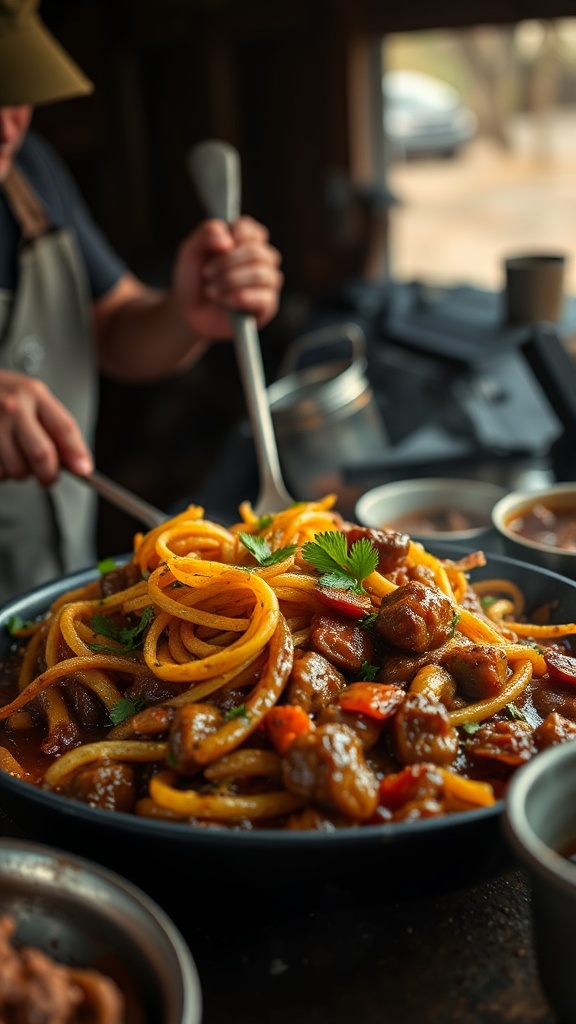
– Gumbo: starts with a roux, then builds with stock, okra or file, and slow-simmered proteins.
Serve over rice for comfort in a bowl.
– Étouffée: a smothered dish, often featuring shellfish, cooked in a roux-thickened sauce and served over white rice.
Seafood handling and sourcing
Use the freshest seafood you can find and cook shrimp and crab briefly to keep texture tender.
When possible, choose sustainably sourced Gulf or regional seafood and ask your fishmonger about freshness and catch methods.
Modern twists and dietary swaps
Cajun flavors adapt well to plant-based cooking. Swap sausage for smoked tempeh or plant-based chorizo, and use mushroom or tomato-based stocks for depth. For a lighter approach, make a tomato-based Cajun stew packed with vegetables and beans.
Serving and finishing touches
Finish with bright acidity — a squeeze of lemon or a dash of vinegar cuts richness. Serve with crusty French bread or a simple green salad to balance the heat. Keep hot sauce on the table and offer chopped parsley or green onions for fresh contrast.
Cajun cooking rewards practice. Start with a simple jambalaya or gumbo, focus on building layers of flavor, and adjust spice to taste. The result is comforting, bold, and endlessly adaptable — true to the spirit of a cuisine born from making the most of what’s on hand.