
 Emma Jantzen
 Master Memphis-Style Barbecue: Essential Rubs, Smoke & Dry vs. Wet Ribs
Memphis barbecue is a regional treasure known for its balance of smoke, spice, and sauce. Celebrated for both dry-rubbed and wet-sauced ribs, Memphis cooking centers on pork—especially shoulders and spare ribs—smoked low and slow until tender, then finished with a bright, tang-forward sauce or left unadorned so the rub and smoke can shine.
The essentials: rub, smoke, and technique
A classic Memphis rub is simple but powerful: kosher salt, coarse black pepper, paprika, brown sugar, garlic powder, and a touch of cayenne. The goal is a seasoning that forms a flavorful crust without overpowering the pork. Apply the rub liberally and let it rest at room temperature for a short time before the meat hits the smoker so the flavors adhere.
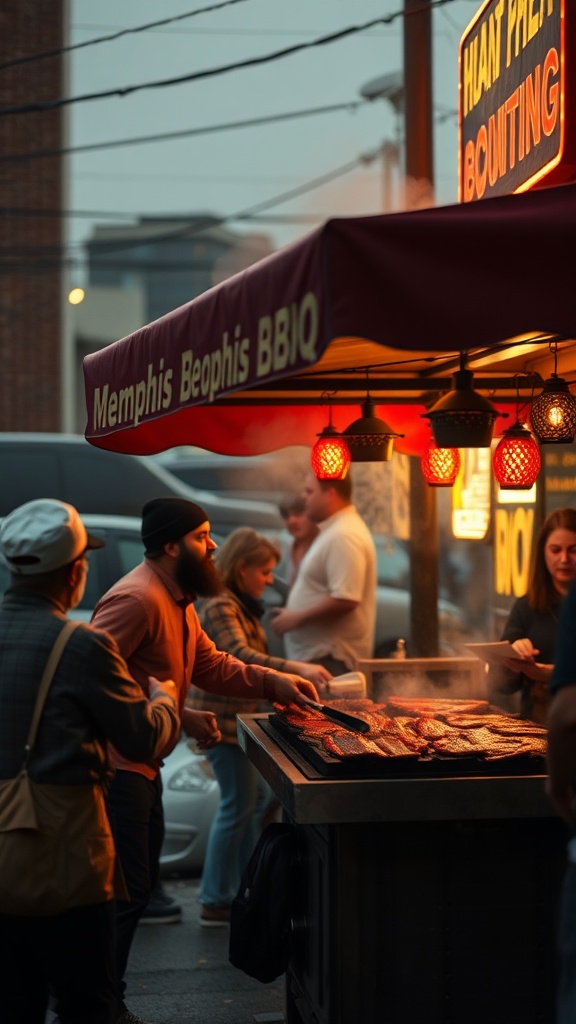
Smoke selection matters. Traditional choices include hickory and oak for robust flavor, while fruit woods like apple or cherry add a milder, slightly sweet character—excellent for shoulder cuts and baby backs.
Maintain low, steady heat—many pitmasters aim for a smoker range that lets collagen break down slowly, creating fork-tender meat and a rich bark.
Dry ribs vs.
wet ribs
Memphis is famous for offering both dry and wet ribs. Dry ribs are coated with a dry rub and smoked to a deep mahogany, delivering crunchy bark and complex spices. Wet ribs get a liberal brush of a thinner, tangy-sweet sauce during the last phase of cooking, forming a sticky finish that appeals to sauce lovers. Both styles are authentic; choosing one is a matter of preference.
Sauce profile
Memphis-style sauce is typically thinner than Kansas City-style, balancing tomato, vinegar, and sweeteners like brown sugar or molasses. It’s more about tang and cut-through acidity than heavy sweetness.
Some pitmasters add mustard or hot sauce for nuance.
Because the sauce is thinner, it’s great as a finishing glaze—applied sparingly toward the end of a smoke—so it doesn’t wash out the rub or prevent bark development.
Finishing and resting
Wrapping in butcher paper or foil can speed up the stall and tenderize meat, but many purists prefer wrapping only when needed to preserve bark. Rest the meat for at least 20–30 minutes after removing it from the smoker; this helps redistribute juices and makes slicing or pulling easier.
Sides and pairings
Classic Memphis sides include coleslaw (served either on the side or piled on a sandwich), baked beans, cornbread, and crisp pickles. For drinks, sweet tea or a local craft beer pairs beautifully.
For dessert, banana pudding and pecan pie are regional favorites that cut through smoky richness.
Trends and traditions
Today’s Memphis scene blends competition barbecue techniques with backyard innovation.
There’s renewed interest in whole-hog cooking, farm-sourced pork, and experimenting with wood blends and rub variations. Competitions and local BBQ festivals continue to draw fans and keep the craft evolving while honoring time-tested methods.
Try this at home
Start with a modest cut—spare ribs or a pork shoulder—and focus on low, consistent heat, a confident rub, and the right wood. Keep the sauce on hand to finish rather than dominate, and don’t rush the rest. With patient technique and respect for simple ingredients, it’s possible to capture the soulful character of Memphis barbecue right at home.