
 Emma Jantzen
 Memphis Barbecue Guide: Dry vs. Wet Ribs, Best Joints, and Home Smoking Tips
Memphis barbecue is more than a regional food style—it’s a cultural touchstone built on smoky pits, hands-on pitmasters, and a simple but fiercely debated choice: dry or wet ribs. Whether you’re hunting down the best place to eat in Memphis or firing up your own smoker at home, understanding the traditions and techniques that define Memphis-style barbecue makes every bite more meaningful.
What makes Memphis barbecue unique
Memphis barbecue centers on pork, especially ribs and pulled pork. Two defining approaches are dry-rubbed and wet-sauced ribs. Dry ribs are seasoned with a flavorful spice rub and served without sauce, showcasing a crisp, caramelized bark. Wet ribs are basted with a tangy-sweet tomato-based mop during cooking and often finished with sauce, giving a glossy, sticky exterior. Whole-hog barbecue also has deep roots here—slow-cooking an entire pig over coals produces a complex mix of smoky, fatty, and charred flavors that many locals revere.
Key flavor and technique notes
– Wood choice: Hickory and oak are classic for deep, robust smoke; fruitwoods like apple or cherry add a milder, sweeter note. Blends are common to balance intensity.
– Temperature: Slow and low is the mantra. Maintaining a steady temperature and consistent smoke yields tender meat and a rich bark.
– Rubs and sauces: Rubs typically combine salt, sugar, paprika, garlic, and pepper. Memphis sauce leans toward a balanced tomato-based profile—sweet, tangy, and not overly thick—though vinegar-forward or mustard-influenced variations exist.
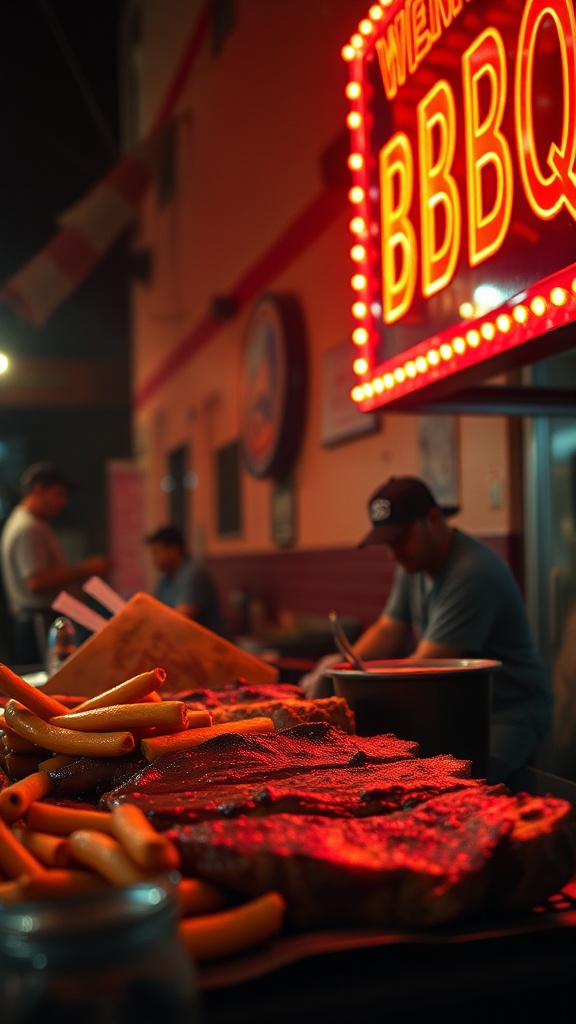
– Ribs: St. Louis–style and baby back are both popular; St. Louis racks offer meatier cuts and hold up well to longer smoking.
– Whole hog vs. shoulder: Whole hog delivers a mix of textures and flavors but requires larger equipment and experience.
Pork shoulder (Boston butt) is more manageable for home pitmasters and produces excellent pulled pork.
Home-pit tips for recreating Memphis flavors
– Start with a simple, well-balanced rub; let it rest on the meat for at least an hour, or overnight if possible.
– Keep smoke thin and steady—excessive, heavy smoke can create a bitter flavor.
– Use a water pan to help regulate temperature and keep the meat moist.
– For ribs, use the 3-2-1 guideline as a starting point for spare ribs: three hours unwrapped, two hours wrapped, one hour unwrapped with sauce—adjust for rack size and smoker type.
– Let meat rest after cooking to redistribute juices and make pulling easier.
Sides, pairings, and culture
Memphis barbecue is about combinations: pulled pork on white bread with coleslaw, a side of baked beans, dill pickles, and a cold sweet tea or local lager. Bourbon and amber ales pair well with the sweet-smoky profile of the meat.
Where to go and what to expect
Memphis boasts a lively barbecue scene with renowned pitmasters and BBQ joints that highlight the city’s traditions. Many establishments preserve time-honored techniques—live-fire pits, charcoal or wood-burning smokers, and recipes handed down through generations—while newer spots experiment with modern twists on classic flavors.
Whether you prefer the clean spice of a dry rib or the sticky comfort of a wet-sauced plate, exploring Memphis barbecue is a delicious education in regional taste, technique, and community. For makers and eaters alike, the key is patience, good wood, and respect for the slow-cook traditions that define this iconic American barbecue style.
0 Comment