
 Emma Jantzen
 Memphis BBQ Essentials: Dry vs. Wet Ribs, Signature Rubs & Smoking Tips
Memphis BBQ is a cornerstone of American barbecue culture, celebrated for its balance of smoky depth, savory rubs, and a proud debate: dry-rubbed ribs or sauce-slathered wet ribs. Understanding what sets Memphis-style barbecue apart helps both first-time tasters and backyard pitmasters appreciate the techniques and flavors that make it distinctive.
Style and signature dishes
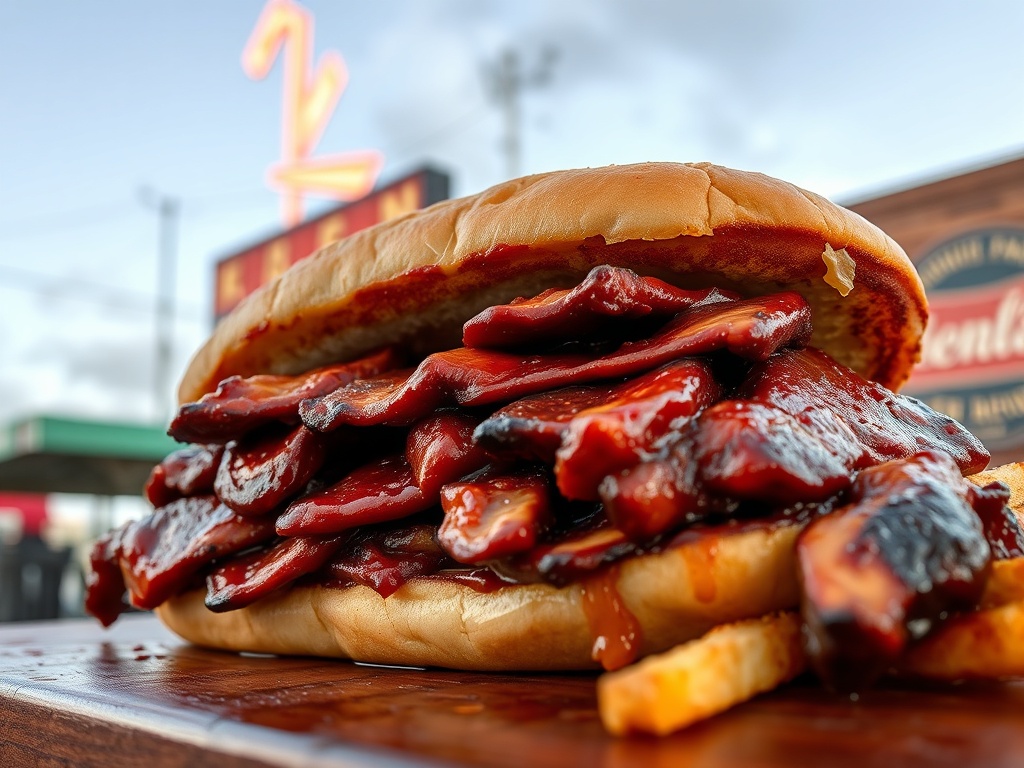
Memphis-style centers on pork, especially ribs and shoulder. Ribs come in two main presentations: dry-rubbed, where a complex blend of spices forms a flavorful crust, and wet, where the ribs are basted with a tangy, tomato-forward sauce during smoking. Pulled pork (from the shoulder or Boston butt) is another hallmark, often served as a sandwich with coleslaw either on the side or piled on top for textural contrast. While brisket and other meats are common in broader barbecue culture, Memphis remains synonymous with pork prepared low and slow.
Flavor building blocks
The classic Memphis dry rub combines paprika, brown sugar, salt, black pepper, garlic and onion powders, a touch of cayenne or chili powder, and sometimes mustard powder. This mix creates a sweet-spicy savory profile that caramelizes into a prized “bark” during smoking. Memphis-style sauce tends to be thinner and tangier than some regional counterparts: tomato-based with vinegar and molasses or brown sugar for balance, and often finished with Worcestershire or hot sauce for depth. Crucially, many purists prefer to serve ribs “naked” off the smoker with sauce on the side so the rub and smoke remain the star.
Smoking technique and wood choices
Successful Memphis barbecue relies on temperature control and patience. Low-and-slow smoking at steady, moderate heat produces tender meat and a robust smoke ring.
Popular woods include hickory for its classic bold smoke, apple or cherry for mild fruity notes, and oak for a steady, clean burn. Use a water pan to stabilize temperature and help maintain humidity inside the smoker.
Spritzing with apple juice, cider vinegar, or a light mop can help keep meat surface moist and aid in bark formation—used judiciously so it doesn’t wash away the rub.
Practical tips for home cooks
– Apply rub at least a few hours before cooking or the night before to let flavors penetrate.
– Bring meat to room temperature before placing it in the smoker for even cooking.
– Maintain a steady smoker temperature rather than chasing spikes and dips; consistency beats intensity.
– Use a reliable probe thermometer; pulled pork is typically ready when it reaches the ideal tenderness range rather than a strict temperature alone.
– Rest meat under foil and a towel after smoking to let juices redistribute—this improves texture and sliceability.
Serving and sides
Classic accompaniments include bright, tangy coleslaw, baked beans, potato salad, and white bread or soft buns. For dessert, Southern favorites like banana pudding or pecan pie pair naturally with the smoky savory meal. Presentation often matters as much as technique: sliced or pulled, sauced or dry, Memphis barbecue invites personalization without losing its essential identity.
Whether exploring the city’s barbecue scene or refining your home smoker skills, Memphis-style barbecue rewards attention to spice, smoke, and time. The friendly rivalry over dry vs. wet ribs captures barbecue’s social spirit—food that brings people together to savor tradition, technique, and that irresistible charred flavor.