Emma Jantzen
 Memphis BBQ: The Ultimate Guide to Ribs, Pulled Pork & Pitmaster Tips
Memphis BBQ is a culinary identity built on slow smoke, bold rubs, and friendly competition. Known for its focus on pork—especially spare ribs and pulled shoulder—this style of barbecue blends smoky depth with versatile sauces and side dishes that turn a meal into a ritual.
What sets Memphis apart
Memphis barbecue emphasizes whole-animal respect and technique. Ribs are often the star: intimate knowledge of smoke temperature and timing transforms tough meat into tender, pull-back ribs with a caramelized bark. Pulled pork shoulder, cooked low and slow until it shreds effortlessly, is another hallmark. Unlike some regional styles that favor a heavy tomato base, Memphis offers both dry and wet presentations—two complementary ways to experience the same cut.
Dry vs. wet ribs
– Dry ribs: Rubbed with a spice blend—salt, black pepper, paprika, garlic powder, and brown sugar—then smoked until crusted. The flavor comes primarily from seasoning and smoke, making each bite layered and savory.
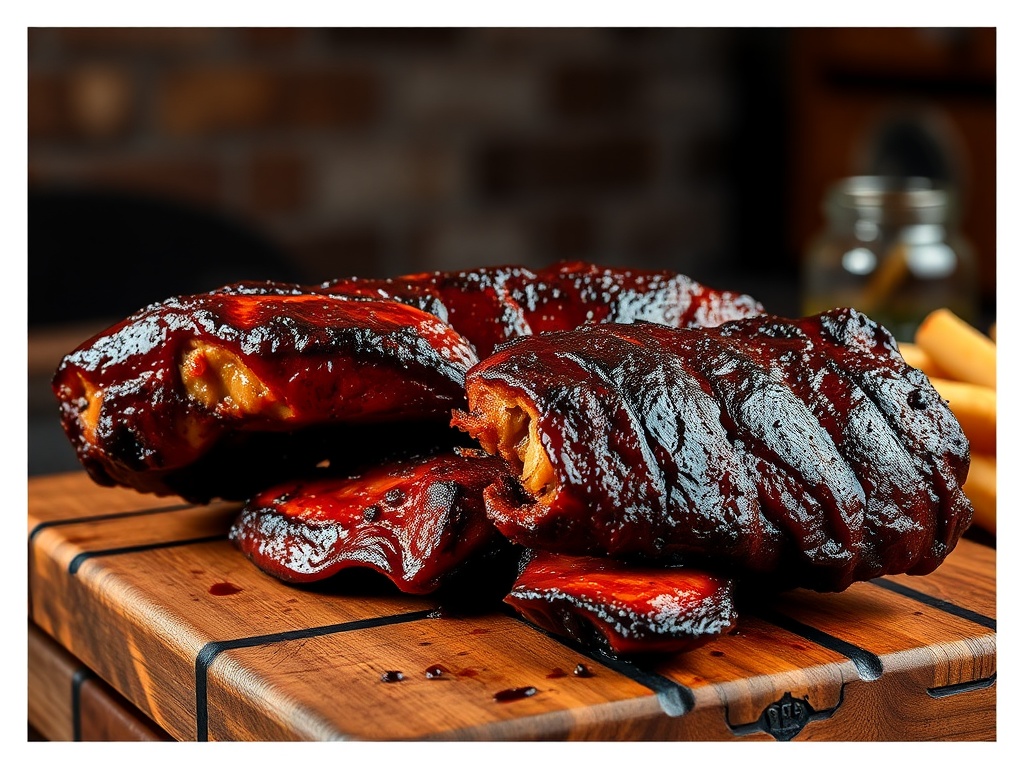
– Wet ribs: Finished with a mop or brush of sauce during the final phase of cooking, producing a glossy, sticky exterior. This method intensifies sweetness and tang, marrying smoke with sauce-forward notes.
Wood, smoke, and technique
The choice of wood matters.
Fruitwoods like apple or cherry give a milder, slightly sweet smoke, while hickory and oak provide a stronger, more classic barbecue flavor. Low-and-slow cooking—maintaining a steady temperature and resisting the urge to rush—creates collagen breakdown and moist texture. Pitmasters pay close attention to stall points and sauce timing, sometimes wrapping meat in foil for part of the cook to speed tenderness without sacrificing bark.
Sauces and sides
Memphis sauces range from vinegary to tomato-based, often balanced with molasses or brown sugar for depth. A good sauce complements rather than overwhelms the smoke.
Classic sides complete the experience: creamy coleslaw, baked beans simmered with pork, tangy pickles, and soft white bread for mopping up sauce.
Meal presentation is as important as flavor; these sides create the contrast that makes Memphis barbecue memorable.
Where to taste the tradition
The city’s barbecue scene mixes storied institutions with innovative newcomers. Look for restaurants that still smoke on-site and offer whole-hog or shoulder traditions.
Many beloved spots draw crowds for their ribs and pulled pork sandwiches, while neighborhood joints may have specialty rubs or signature sauces that become local favorites.
Pitmasters and competition culture
Competitive barbecue plays a big role in shaping technique and flavor trends.
Pitmasters refine rubs, swap methods, and experiment with woods and sauces at competitions and festivals. This loop of innovation keeps Memphis BBQ rooted in tradition while evolving in taste and presentation.
At-home tips for Memphis-style results
– Start with a simple, balanced dry rub and let the meat sit refrigerated to develop flavor.
– Maintain steady low heat and use a water pan to regulate moisture.
– Resist over-saucing until the final 10–20 minutes of cooking if you want a proper bark.
– Rest meat after cooking to let juices redistribute—this makes pulled pork easier to shred and ribs juicier.
Memphis barbecue remains a living culinary tradition—deeply regional but welcoming to anyone who appreciates time-honored technique, smoky depth, and bold flavor.
Whether sampling ribs at a bustling joint or recreating the dry-rub/wet-sauce debate at home, the city’s barbecue invites exploration and enjoyment bite by savory bite.