
 Emma Jantzen
 Memphis BBQ: What Makes It Unique — Dry vs. Wet Ribs, Pulled Pork & How to Taste It Right
Memphis BBQ: What Makes It Stand Out and How to Taste It Right
Memphis barbecue has a reputation that goes beyond regional pride. Known for celebrating pork above all else, this style puts flavor, texture, and tradition front and center. Whether exploring smoky joints in the city or trying to replicate the flavor at home, understanding what defines Memphis BBQ makes every bite more meaningful.
The essentials: pork, smoke, and sauce
Memphis centers on pork ribs and pulled pork shoulder. Ribs come in two classic treatments: dry and wet.
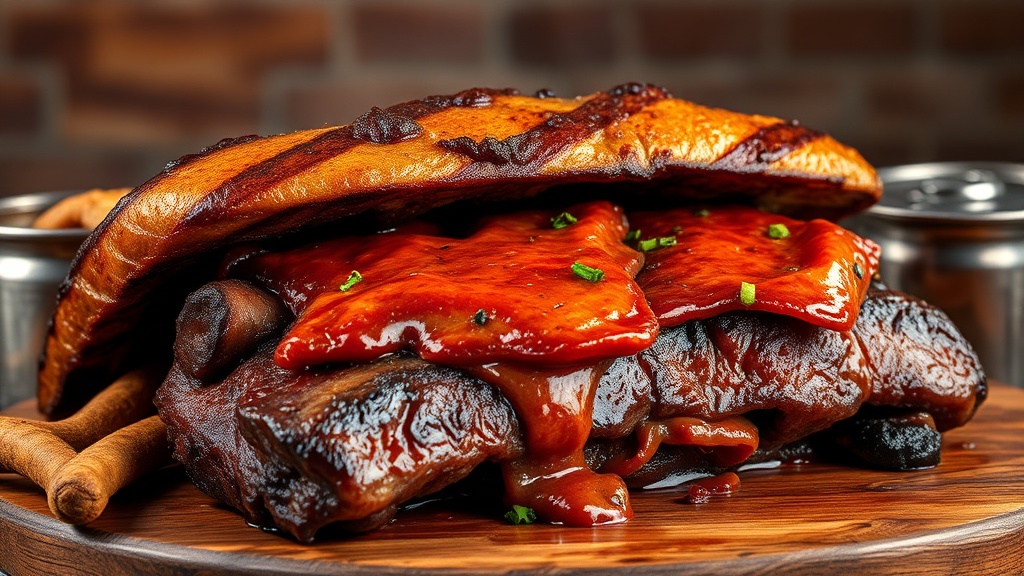
Dry ribs are seasoned with a spice rub that forms a savory bark during a slow smoke. Wet ribs are sauced during cooking, developing a lacquered, sticky finish. Pulled or chopped pork shoulder is smoked until it reaches a tender, shreddable texture—often served on a sandwich with sauce on the side or mixed in for a juicier bite.
Smoker style and wood choice
Low-and-slow smoking is the cornerstone. Pitmasters use offset smokers, vertical water smokers, or high-quality charcoal setups to maintain steady heat and gentle smoke. Wood choice is crucial: hickory and oak lend a strong, classic backbone while pecan, apple, or cherry add subtle sweetness and fruit notes. Managing temperature, smoke color, and airflow is what turns good meat into great barbecue.
The rubs, sauces, and finishing touches
Rubs in Memphis tend to be straightforward but well-balanced: paprika, brown sugar, kosher salt, black pepper, garlic powder, and a touch of cayenne for warmth. The objective is to enhance the meat without masking it. Memphis-style sauce generally blends tomato and vinegar with molasses or brown sugar for sweetness and a touch of tang—thinner than thick Kansas City sauces and more focused on complementing rather than dominating the pork.
Many diners prefer sauce on the side to control how much they want.
Technique tips for home smoking
– Temperature: Maintain a steady smoking range that’s low and slow.
– Internal temps: Pork shoulder finishes when it becomes tender enough to probe and pull, which is achieved over time rather than at a single fixed temperature. Ribs are done when the meat pulls back from the bone and a skewer slides in with minimal resistance.
– Spritzing: A light spritz of apple cider vinegar or apple juice during the smoke helps keep surfaces moist and encourages bark formation.
– Resting: Rest pulled pork after cooking to let juices redistribute—this improves texture and flavor.
– Finish: If saucing ribs, apply several thin coats near the end of the cook and allow each layer to set.
What to order and how to enjoy it
Start with both a dry rib and a wet rib to taste the difference. Follow with a chopped pork sandwich—try it plain, with a little sauce, and with classic sides like coleslaw, baked beans, and pickles.
Banana pudding and sweet potato fries are popular accompaniments that round out the experience.
Barbecue culture and community
Memphis BBQ is as much about people as it is about food. Neighborhood joints, backyard cooks, and competitive pitmasters all contribute to a vibrant scene where recipes are passed down, techniques are honed, and new twists are welcomed.
Sampling different spots and talking to those behind the pit often reveals small but vital secrets that elevate the meal.
Whether sampling ribs from a smoky storefront or smoking a shoulder in the backyard, Memphis BBQ rewards curiosity and patience. Taste both the dry and wet styles, pay attention to smoke and seasoning, and savor the tradition that makes this barbecue style so beloved.