
 Emma Jantzen
 Nashville Music Scene: Guide for Visitors, Songwriters & Aspiring Musicians
Nashville’s music scene remains a living ecosystem where tradition and innovation coexist.
Long known as a songwriting capital, the city still pulses with the sounds of country, but that label no longer tells the whole story.
From Americana and alt-country to indie rock, hip-hop, R&B, and pop, Nashville has become a genre-fluid hub where talented songwriters, producers, and session players collaborate across styles.
Why Nashville endures
The backbone of Nashville’s reputation is its songwriting culture. Co-writing sessions and songwriter rounds are daily rituals, and a deep network of publishers, labels, and managers provides infrastructure that helps songs find their way into recordings, playlists, film, and television. A dense cluster of top-tier studios and elite session musicians ensures a quality of production that attracts artists from around the world.
This combination of craft, industry know-how, and community makes Nashville uniquely productive for building careers.
Where to experience the music
Live music is everywhere, from intimate listening rooms to historic stages. The Ryman Auditorium and the Grand Ole Opry continue to host landmark shows, while the Bluebird Cafe remains a must for hearing songwriters in close, stripped-down settings. The honky-tonks along Broadway deliver energetic nightly performances, and neighborhood pockets like East Nashville, The Gulch, and 12 South showcase emerging artists, indie pop, and experimental sounds.
Studios and the session world
Legendary studios such as Blackbird and The Sound Emporium sit alongside boutique creative spaces, offering access to world-class engineers and vintage gear. Session musicians here are often as celebrated as the recording artists—skilled, versatile players who can move fluidly between genres and bring commercial polish to a demo or a full production.
How the scene is changing
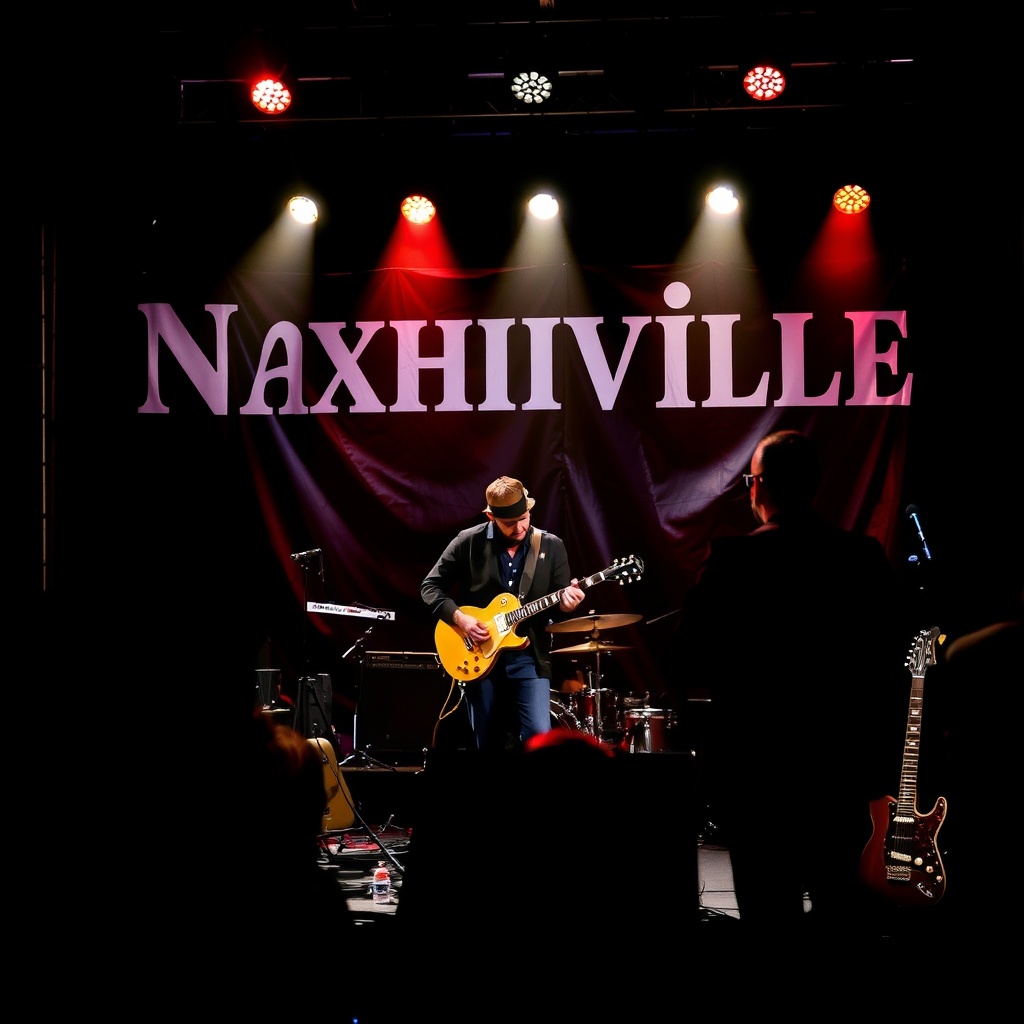
Nashville’s sound is expanding. Cross-genre collaboration is common, and artists from diverse backgrounds are shaping the city’s musical identity. Streaming platforms, playlist placements, and social media virality now influence how songs are discovered, so a compelling hook paired with strategic placement can accelerate a song’s reach. Sync licensing for film, television, and advertising remains a major revenue path, and many local music businesses specialize in matching tracks to media opportunities.
Advice for visitors and aspiring musicians
– Attend a songwriter round to study storytelling and connection.
The listening-room environment teaches nuance that studio sessions can’t.
– Network respectfully: relationships matter more than quick contacts. Co-writing and sharing shows build long-term opportunities.
– Learn the business basics: register songs, understand splits, and pursue sync and publishing placements alongside performance income.
– Use social media and streaming to amplify real work; short-form video can break songs, but craft and consistency sustain careers.
– Explore beyond Broadway—neighborhood venues reveal the next wave of talent and often provide more creative freedom.
Nashville’s music economy is both a cultural magnet and a working machine. The city continues to attract diverse talent because it offers an unmatched combination of songwriting tradition, production resources, and an active live-music circuit. For anyone who loves music—whether as a visitor, a working artist, or a music professional—Nashville remains a place where songs are written, careers are shaped, and new sounds are continually forged.