
 Emma Jantzen
 Recommended: Bayou Life: A Sensory Guide to Bayou Ecosystems, Cajun Culture & Conservation
Bayou life blends slow, sensory rhythms with deep-rooted culture and resilient ecosystems.
From cypress-lined waterways that reflect sky and Spanish moss, to the sounds of frogs, cicadas, and distant guitar, the bayou is both a living landscape and a way of life shaped by water, weather, and community.
What makes bayou ecosystems special
Bayous are slow-moving wetlands—rich in biodiversity and natural filtration.
Their standing water and marshes support a tapestry of species: wading birds, turtles, otters, fish, and the iconic alligator.
Bald cypress and tupelo trees anchor the soil with knobby knees, while submerged vegetation stabilizes shorelines and provides habitat for juvenile fish.
These wetlands act as natural buffers, absorbing storm surge and filtering pollutants before water reaches larger estuaries.
Cultural currents: food, music, and language
Bayou communities are shaped by Cajun and Creole traditions, a fusion of Indigenous, French, African, and other influences. Food is central: gumbo, jambalaya, boudin, and crawfish boils turn gatherings into celebrations of local seasonality and spice. Music—zydeco, swamp pop, and jazz—carries stories of work, love, and survival, often centered around the community dock or a backyard dance hall. Local dialects and storytelling keep history alive through recipes, songs, and family lore.
Livelihoods tied to the water
Fishermen, shrimpers, crabbers, and trappers have worked these waters for generations. Commercial and recreational fishing are vital economic drivers, and small-scale seafood processors and markets help sustain local economies.
Many families also earn income through eco-tourism and guiding—offering boat tours, birdwatching trips, and cultural experiences that introduce visitors to the rhythms of bayou life.
Challenges and stewardship
Bayou regions face persistent threats: coastal erosion, wetland loss, pollution from runoff and industrial discharges, and the spread of invasive species. Changes in water salinity and weather patterns can alter habitat and fisheries. Conservation groups, local governments, and community stewards are actively restoring marshes, planting native vegetation, and promoting sustainable fishing practices to preserve both livelihoods and biodiversity. Community-led initiatives often combine traditional knowledge with modern science for resilient solutions.
Responsible ways to experience the bayou
For visitors who want to connect with bayou life without disrupting it, a few practices make a big difference:
– Choose local guides and small businesses to ensure economic benefit stays in the community.
– Keep a respectful distance from wildlife; do not feed animals.
– Avoid single-use plastics and pack out all trash.
– Stay on marked paths and waterways to protect fragile vegetation and nesting sites.
– Learn basic safety: wear life jackets when boating, be mindful of weather, and take insect repellent.
A sensory invitation
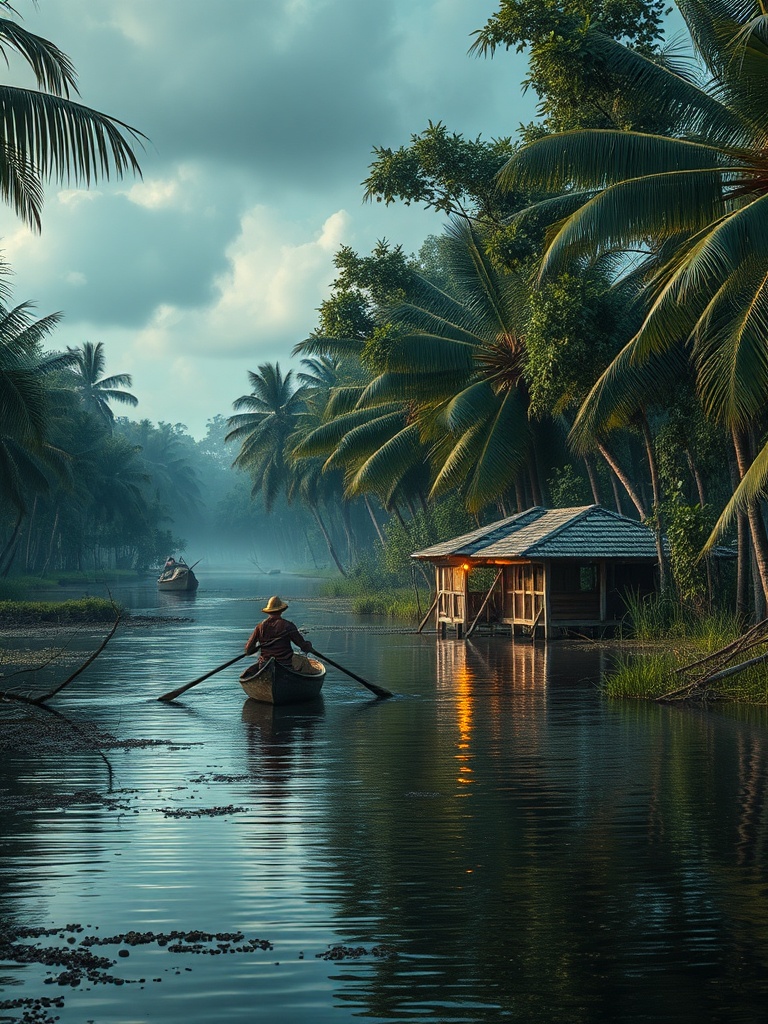
Morning fog lifting off the water, the metallic bang of a shrimp boat, the smell of dark earth and roasting spices—bayou life is sensory and communal. It’s a place where practical knowledge—how to read tides, mend nets, or peel a pile of crawfish—is passed down informally and celebrated publicly. That living heritage, combined with an urgent need for conservation-minded stewardship, makes the bayou a compelling destination for those who seek nature, culture, and connection.
Whether drawn by wildlife, cuisine, or music, experiencing the bayou is best done with curiosity and care.
Support local stewards, learn a few phrases, taste a local dish, and leave the place as vibrant for the next visitor and the generations who call the bayou home.