
 Emma Jantzen
 Recommended title:
A bayou is more than a landscape — it’s a living tapestry of water, wildlife, food, and culture.
The slow-moving backwaters and marshes that define bayou life support a rich web of species and human traditions that have evolved around seasonal rhythms and the tides of the Gulf. For visitors and locals alike, the bayou offers sensory experiences that are as restorative as they are instructive.
What you’ll find on the water
The bayou is home to furtive alligators, wading birds like herons and egrets, and an array of fish and crustaceans that fuel local diets and economies. Dawn and dusk are prime times for wildlife viewing, when birds hunt in shallow water and mammals move along the shoreline.
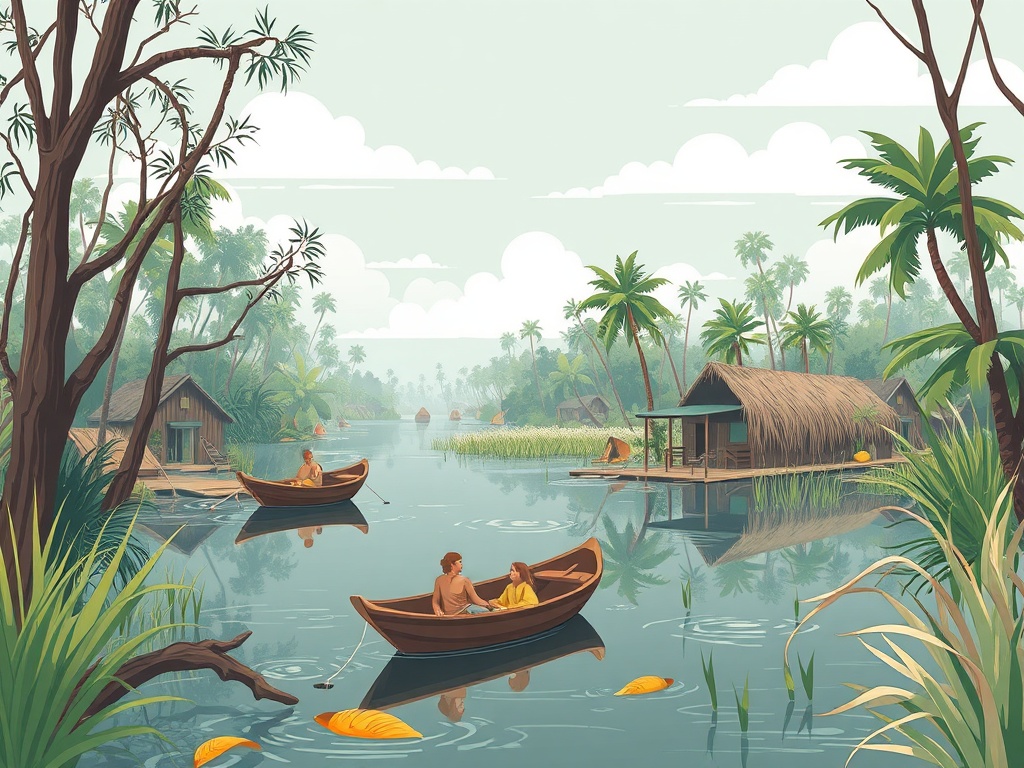
Kayaking or paddling a canoe lets you glide quietly into narrow channels that larger boats can’t reach, offering close encounters with nature without disturbing fragile habitats.
Food and culture
Bayou cuisine is rooted in resourcefulness and flavor.
Crawfish boils, gumbo, boudin, and fried catfish reflect a mix of Native, French, African, and Spanish influences filtered through local ingredients. Small seafood shacks and family-run eateries serve recipes handed down through generations; supporting these businesses helps sustain local communities and traditions.
Soundscapes and crafts
The bayou’s soundtrack blends water, wind, and music. Zydeco and Cajun tunes often waft from porches and dance halls, tying gatherings to seasonal cycles and community life. Handcrafted boats, net-making, and calligraphy of local folk art are part of a living craft tradition that celebrates place-based skills.
Recreation and etiquette
– Safety first: bring life jackets, insect repellent, sunscreen, and plenty of water. Be mindful of weather and tides.
– Wildlife respect: observe from a distance; never feed wild animals. Keep dogs leashed near nesting areas.
– Leave no trace: pack out trash and avoid trampling marsh plants; small actions help preserve fragile ecosystems.
– Support locals: hire licensed guides and patronize mom-and-pop eateries and markets to ensure your visit benefits the community.
Challenges and stewardship
Bayous face pressures from coastal erosion, saltwater intrusion, development, and changing storm patterns. Communities, scientists, and restoration groups are actively working on solutions like marsh planting, living shorelines, and oyster-reef restoration to stabilize sediment and rebuild habitat. Community-led stewardship — shoreline cleanups, native plantings, and sustainable fisheries management — plays a major role in keeping bayous healthy for future generations.
Practical tips for a bayou outing
– Opt for early morning or late afternoon paddles for cooler temperatures and better wildlife viewing.
– Wear quick-drying clothes and footwear you don’t mind getting wet or muddy.
– Bring a compact field guide or smartphone app for birds and plants to deepen your experience.
– Ask permission before photographing people or private property; many locals are happy to share stories but appreciate respectful engagement.
Why it matters
Bayou life is a reminder that human culture and natural systems are deeply interconnected. Protecting these waterways protects food systems, cultural heritage, and biodiversity. Whether you come to fish, photograph, eat, or simply listen, approaching the bayou with curiosity and care helps ensure these richly textured landscapes continue to thrive.