
 Emma Jantzen
 Recommended title:
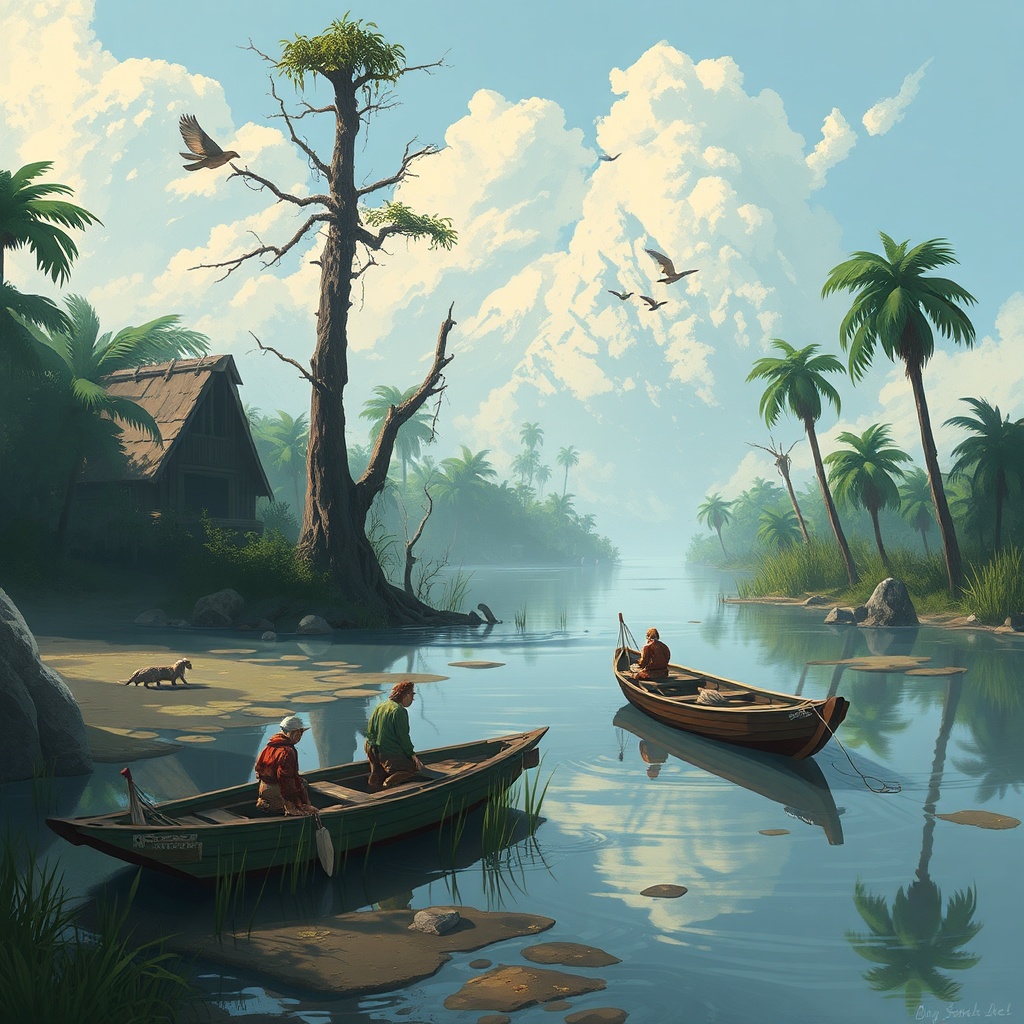
Bayou life is a sensory experience where slow water, dense green canopies, and a chorus of wildlife set the pace. It’s a place shaped by water—meandering channels, backwaters, and marshes—that supports unique ecosystems and a distinctive culture rooted in fishing, food, and community.
The natural rhythm
Water levels and weather shape daily rhythms. Cypress trees with hanging Spanish moss mark the canals; their knees rise from the mud like ancient anchors. Marsh grasses ripple with wind, and lily pads scatter reflections of the sky. Wildlife is abundant: herons and egrets stalk shallow edges, turtles sun on partially submerged logs, and alligators slip silently beneath the surface. Fish species such as catfish and bass are common in freshwater stretches, while shrimp and oysters populate brackish zones. Bird migrations bring seasonal color and sound, making every visit feel alive and different.
Culture and cuisine
Local culture grew from a blend of Indigenous, French, African, and Caribbean influences.
That fusion shows in music, language, and especially food.
Cajun and Creole kitchens turn local harvests—shrimp, crab, crawfish, and seasonal vegetables—into feasts. Gumbo, jambalaya, and étouffée are more than dishes; they’re gatherings around which stories and laughter are exchanged.
Porch conversations, boat rides at dusk, and small-town festivals celebrate both harvest and heritage, keeping traditions vibrant even as communities adapt to changing conditions.
Livelihoods and recreation
Many livelihoods still depend directly on the bayou’s resources. Commercial and recreational fishing, shrimping, crabbing, and oyster harvesting are staples. Ecotourism has grown as visitors seek birdwatching, guided swamp tours, and kayaking through quiet channels. Local guides add depth to the experience, sharing knowledge about seasonal patterns, wildlife behavior, and safe navigation.
Conservation and resilience
Bayous face pressures from development, erosion, and shifting water patterns. Wetland loss reduces natural protection against storms, affects fisheries, and diminishes biodiversity.
In response, communities, scientists, and conservation groups work on restoration projects—planting marsh grasses, rebuilding oyster reefs, and reconnecting waterways—to support habitat recovery and water quality.
These efforts often combine traditional local knowledge with scientific techniques to reinforce both ecosystems and livelihoods.
Practical tips for visitors
– Respect private property and local customs; ask before landing or exploring someone’s shoreline.
– Stay safe around wildlife: admire from a distance and never feed or approach alligators.
– Prepare for insects—mosquito repellent and appropriate clothing help make outings comfortable.
– Choose guided tours when possible to learn more and minimize environmental impact.
– Pack waterproof gear, a camera, and binoculars to capture birds and subtle wildlife activity.
Why it matters
Bayou life illustrates a delicate balance between people and place.
The landscape provides food, identity, and economic opportunity while requiring careful stewardship. Visiting with curiosity and respect supports local economies and helps preserve the rhythms and stories that make bayous special.
Whether you come for the food, the wildlife, or the quiet of a boat gliding through cypress-lined water, the bayou rewards slow observation and a willingness to listen—to the splash of a fish, the call of a bird, and the hush of water moving through a living landscape.