
 Emma Jantzen
 The Ultimate Gulf Seafood Guide: How to Buy, Handle, and Cook Safely & Sustainably
Gulf seafood remains a culinary cornerstone of the Gulf Coast, prized for its fresh flavor, versatility, and deep cultural roots. From shrimp and oysters to red snapper and blue crab, the region’s catch influences everything from backyard boils to high-end dining. Understanding how to buy, handle, and enjoy Gulf seafood makes a big difference in taste, safety, and sustainability.
What to expect from Gulf seafood
Gulf seafood tends to have a clean, briny flavor with firm textures that stand up to bold seasoning and simple preparations. Popular choices include:
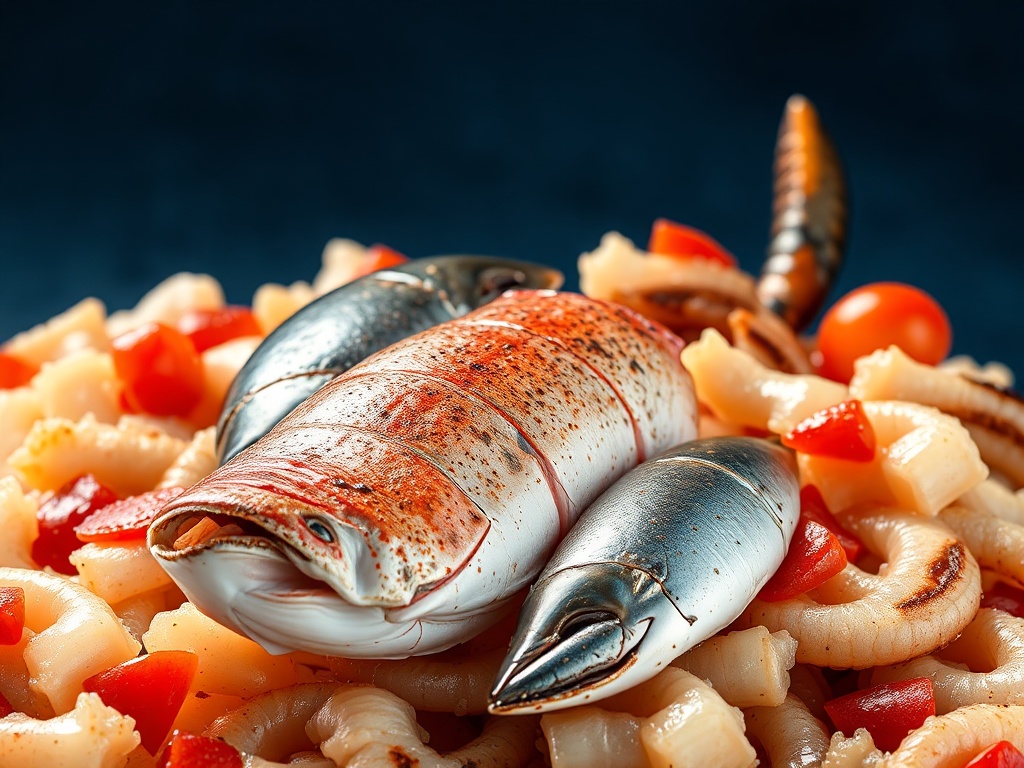
– Gulf shrimp: Sweet, tender, available in a range of sizes; ideal for grilling, frying, or in stews.
– Oysters: Briny and creamy raw or transformed by grilling and mignonette sauces.
– Red snapper: Mild, flaky white flesh that suits roasting, pan-searing, or whole roasting.
– Blue crab and stone crab: Sweet meat perfect for crab cakes, boils, and crab salads.
– Crawfish: A defining ingredient of coastal boils and po’boys with a rich, slightly sweet taste.
Buying tips
Look for firm flesh, a fresh sea smell (not fishy), and bright, clear eyes on whole fish. For shellfish, shells should be closed or close when tapped — an open shell can indicate a dead product that may be unsafe. When possible, buy from reputable local markets or certified suppliers; ask about harvest area and handling. For restaurants and retailers, seek suppliers with traceability and, ideally, third-party sustainability certifications.
Handling and storage
Proper handling preserves quality and reduces health risk:
– Keep seafood cold from purchase to preparation.
Transport in a cooler if the trip home is long.
– Store fish and shellfish on ice in the refrigerator and use within a day or two for peak freshness; freeze if you need longer storage.
– Rinse shellfish only immediately before cooking; avoid soaking live bivalves in fresh water.
Health and safety considerations
Gulf seafood is nutritious — rich in lean protein, omega-3 fatty acids, and essential minerals. Pay attention to advisories: harmful algal blooms (commonly called red tide) can affect shellfish safety in certain areas and seasons, and state or federal agencies issue harvest advisories when necessary. Pregnant people, nursing parents, and young children should follow guidance on limiting consumption of higher-mercury species and consult local advisories for sensitive populations.
Sustainability and restoration efforts
There’s strong ongoing focus on sustainable fishing practices and habitat restoration across the Gulf. Measures such as regulated catch limits, habitat protection, oyster reef restoration, and improved bycatch reduction help maintain healthy stocks.
Look for sustainably harvested labels when available, support local restoration initiatives, and choose species with healthy population status to reduce pressure on vulnerable stocks.
Quick serving ideas
– Blackened red snapper with citrus butter and sautéed greens.
– Classic shrimp boil with corn and potatoes, or simply grilled shrimp tossed in garlic-lime butter.
– Raw oysters on the half shell with a bright mignonette or grilled with Parmesan and breadcrumbs.
– Crawfish étouffée over rice or a spicy seafood gumbo featuring mixed Gulf shellfish.
Sourcing locally and staying informed builds a stronger relationship with Gulf seafood.
Whether cooking for family or entertaining friends, prioritize freshness, follow safety guidance, and enjoy the region’s vibrant flavors while supporting sustainable practices that protect the Gulf’s bounty for the long term.