
 Emma Jantzen
 The Ultimate Memphis BBQ Guide: Flavor, Technique & Pitmaster Tips for Ribs, Pulled Pork and Classic Sides
Memphis BBQ: The Flavor, The Technique, The Culture
Memphis barbecue is defined by pork — spare ribs and pulled shoulder are the stars — and by a balance of smoke, spice, and sauce that keeps people coming back to the city’s smokehouses and backyard pits. Whether you prefer dry-rubbed ribs or wet, sauced-and-glazed plates, the Memphis approach is built on technique, quality ingredients, and respect for low-and-slow cooking.
What makes Memphis barbecue unique
– Pork-forward menu: Ribs and chopped or pulled pork sandwiches dominate. Plates are often served with sauce on the side so the meat’s smoke and rub can stand on their own.
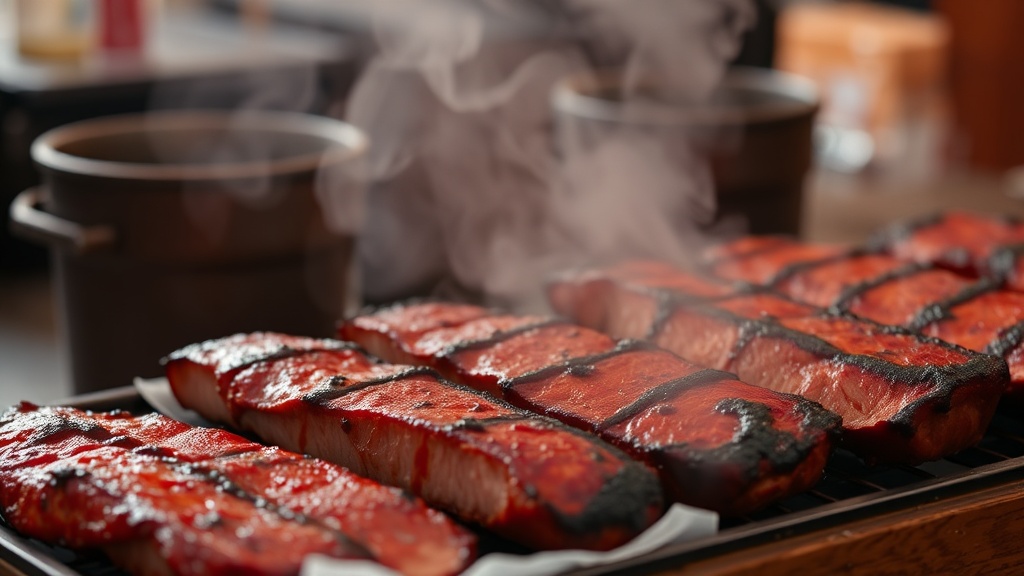
– Dry vs. wet ribs: Dry ribs are coated in a spice rub before smoking and finished without sauce.
Wet ribs get basted with sauce during and after cooking, creating a glossy glaze. Both styles are authentic and celebrated.
– Chop style: Pulled pork may be shredded or chopped; chopped pork sandwiches are a local hallmark, often served with coleslaw and a slaw-on-top option for added texture.
Key elements of great Memphis BBQ
– Wood selection: Fruitwoods and hardwoods — hickory, oak, and pecan — are popular. Hickory gives a robust smoke flavor; fruitwoods add milder, sweeter notes.
Avoid overpowering softwoods.
– Low-and-slow smoking: Maintain a consistent pit temperature between 225–250°F for even smoke penetration and tender results.
Patience pays off; brisk long cooks break down collagen into gelatin, delivering that silky mouthfeel.
– Rubs and sauces: Classic rubs blend paprika, brown sugar, kosher salt, black pepper, garlic powder, onion powder, and a touch of chili powder for warmth. Memphis sauce tends to be tangy with tomato and vinegar notes and moderate sweetness — designed to complement rather than mask the meat.
– Technique tips: For ribs, consider a three-stage approach: smoke unwrapped for flavor, wrap (the “Texas crutch”) to tenderize, then finish unwrapped while saucing for caramelization. For pork shoulder, brown the exterior, smoke till the meat hits a desirable pull-apart texture, and rest before chopping.
Sides and finishing touches
Traditional sides elevate the main event: tangy coleslaw, buttery baked beans, collard greens, potato salad, and a sweet finish like banana pudding. Heat and texture balance is key: cool, crunchy slaw contrasts beautifully with smoky, fatty pork.
Evolving trends in the Memphis scene
The barbecue community embraces both tradition and innovation. Chefs and pitmasters are exploring whole-hog cooking, heritage breed pork, and sustainable sourcing. Expect creative crossovers — smoked local seafood, barbecue tacos, and high-end tasting menus — alongside vegetarian options that mimic smoky, meaty textures using mushrooms, smoked jackfruit, or carefully seasoned tofu.
Tips for backyard pitmasters
– Invest in a reliable thermometer; temperature control beats guessing.
– Use a simple, balanced rub and let it sit on meat for a few hours or overnight.
– Resist over-saucing early; apply glaze near the end to avoid burning sugars.
– Let meat rest before slicing to retain juices.
Memphis barbecue is part culinary craft, part community ritual. Whether you’re eating at a long-standing local joint, competing on the circuit, or mastering the pit in your backyard, focus on the fundamentals — wood, smoke, time, and balance — and you’ll taste why this regional style remains a beloved pillar of American barbecue.