
 Emma Jantzen
 Ultimate Atlanta BeltLine Guide: Walkable Trails, Street Art & Food
Atlanta’s BeltLine has reshaped how residents and visitors experience the city—turning underused rail corridors into one of the most walkable, art-filled, and community-driven urban trails in the country. Stretching across multiple neighborhoods, the BeltLine offers an accessible way to explore Atlanta’s culture, green spaces, and food scene without needing a car.
What the BeltLine offers
The BeltLine combines multiuse trails, public art, pocket parks, and transit-oriented development. Walkers, runners, and cyclists can enjoy continuous paved paths lined with murals, sculptures, and rotating installations that showcase both local creatives and visiting artists. Small parks and plazas along the route create natural stopping points for picnics, yoga, or people-watching.
Neighborhoods and highlights
Each trail corridor brings a different flavor of Atlanta. On the east side, lively retail and dining options cluster around the trail, with nearby markets and food halls offering everything from barbecue to international street food.
Westside segments reveal repurposed industrial spaces turned into creative hubs, breweries, and family-friendly greenways. The southside sections are becoming hubs for new cultural venues and community gardens. Ponce City Market and Krog Street Market remain anchor destinations that connect easily to the BeltLine and are perfect for sampling local flavors.
Events and experiences
The BeltLine hosts seasonal events, moving markets, and fitness classes that activate public spaces.
Street art tours—self-guided or led by local curators—are a popular way to learn the stories behind the murals.
Weekend visitors can pair a trail walk with live music at nearby venues or stop by neighborhood festivals that spotlight food, craft, and performance.
Practical tips for visiting
– Start early or visit in the evening to avoid peak heat and enjoy softer light for photographs.
– Use MARTA or bike-share options to reach trailheads and avoid limited parking.
– Carry water and a basic first-aid kit; while trails are well-maintained, stretches between shops can be long.
– Respect residential areas: keep noise down, leash dogs where required, and follow local trail rules.
– Bring a portable phone charger—good connectivity helps with maps and finding nearby attractions.
Community impact and considerations
The BeltLine has driven visible economic and social change.
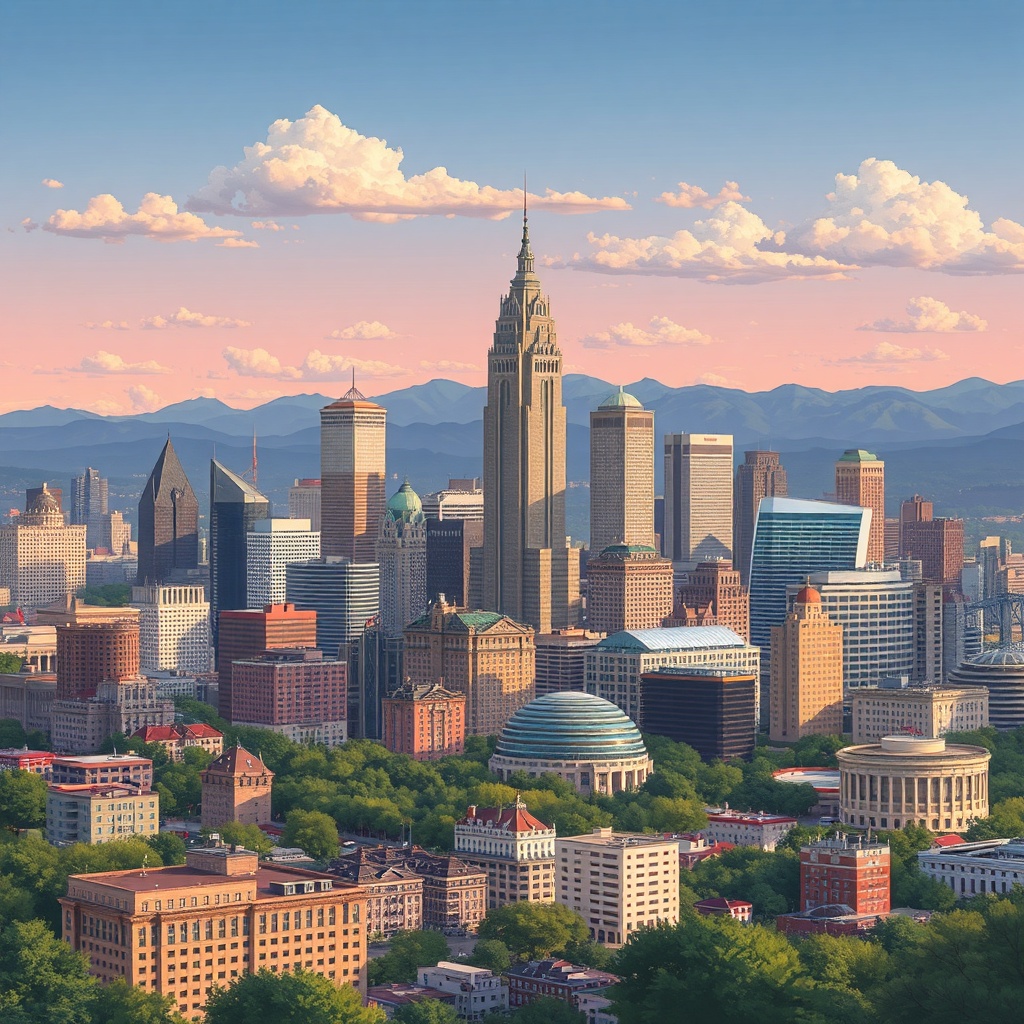
New retail, housing, and green infrastructure have increased property values and brought investment to historically under-resourced neighborhoods. This growth has sparked conversations about equitable development, affordable housing, and preserving cultural heritage. Community-led planning groups and nonprofit partners remain active in advocating for inclusive outcomes as the corridor evolves.
How to plan a day
A popular half-day itinerary starts with coffee and a pastry at a trail-adjacent cafe, followed by a leisurely walk or bike ride through mural clusters, a picnic in one of the green spaces, and an afternoon stop at a market or brewery. For a longer outing, link multiple trail segments to explore different neighborhoods, stopping at galleries and pop-up events along the way.
Why it matters
Beyond recreation, the BeltLine represents a model for reimagining urban infrastructure into shared public space—promoting healthier lifestyles, local business growth, and cultural exchange. Whether exploring Atlanta’s food scene, hunting for street art, or enjoying greenspace with family and dogs, the BeltLine offers a dynamic, walkable way to experience the city’s heart and neighborhoods.
0 Comment