
 Emma Jantzen
 Ultimate Atlanta Visitor Guide: Best Neighborhoods, Eats, Parks & Tips
Atlanta keeps drawing attention for its mix of southern charm, fast-growing creative industries, and rapidly changing neighborhoods. Whether you’re visiting for sports, food, or cultural attractions, the city offers a range of experiences that balance historic character with modern energy.
Neighborhoods and walkable districts
Atlanta’s neighborhoods each have distinct personalities.
Midtown is a cultural hub with theaters, museums, and high-rise dining. Buckhead blends upscale shopping and nightlife with leafy residential streets. The Eastside — anchored by Ponce City Market and the BeltLine’s Eastside Trail — is packed with restaurants, bars, and repurposed industrial spaces. The Westside is gaining momentum with art galleries, breweries, and large parks. For a weekend stroll, Piedmont Park provides green space near Midtown, while the BeltLine connects multiple neighborhoods and offers public art, markets, and bike-friendly paths.
Food and drink scene
The city’s culinary landscape showcases Southern staples alongside global influences.
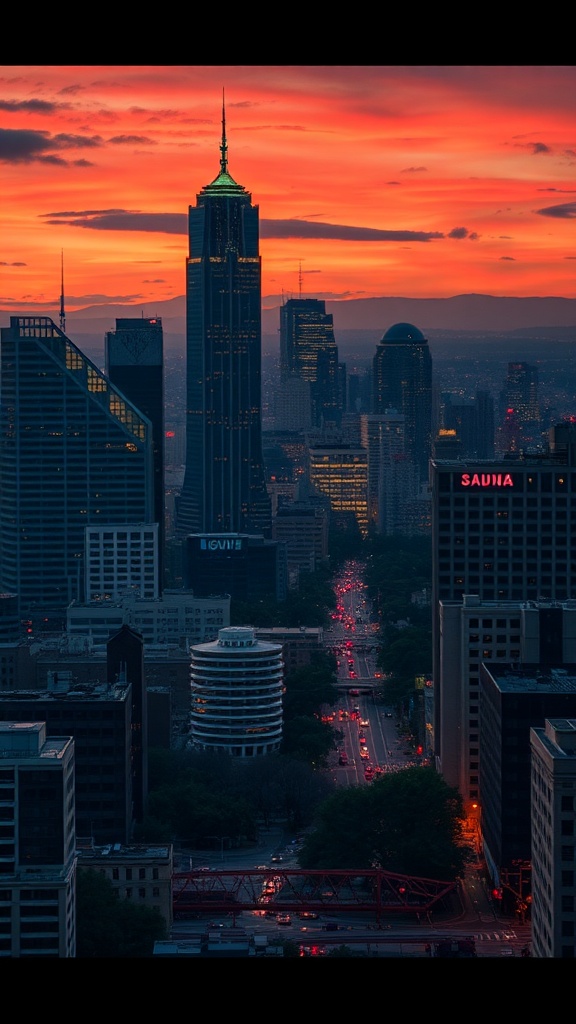
From elevated Southern tasting menus and barbecue joints to inventive small plates and international fare, Atlanta caters to many palates. Food halls and markets are popular ways to sample multiple vendors in one visit. Coffee shops, craft breweries, and cocktail bars are abundant; look for neighborhood-focused spots that highlight local ingredients and seasonal menus.
Arts, music, and film
Atlanta remains a major center for music, especially hip-hop and R&B, with venues ranging from intimate clubs to large arenas. Visual arts and performance thrive in museums and smaller experimental spaces. The film and television production industry is a significant economic driver, with sound stages and production facilities spread around the region — translating into frequent location shoots and a bustling local talent pool. Many creative events and festivals celebrate the city’s diverse cultural roots.
Sports and entertainment
Major sports teams keep the city energetic year-round, with modern stadiums hosting football, baseball, basketball, and international events. Tailgating culture and fan neighborhoods make game days a social highlight.
Beyond professional sports, community rec leagues, parks, and outdoor fitness classes support an active lifestyle.
Parks, outdoor activities, and green spaces
Outdoor offerings extend beyond urban parks. Trails, greenways, and riverfront areas invite biking, walking, and paddling. A number of large parks provide hiking and sweeping skyline views, while smaller pocket parks and community gardens bring nature into dense neighborhoods. The BeltLine remains a focal point for outdoor activity and public art, and new parks on the city’s edges continue to expand accessible green space.
Transit and getting around
Transit options include heavy rail, bus networks, and ride services. For many visitors, the airport’s central role as a travel hub and the city’s highways shape travel plans.
Within neighborhoods, walking, biking, and scooter rentals are convenient for short trips.
Planning ahead during peak events or game days helps avoid congestion and ensures smoother travel.
Practical tips for visitors
– Focus on one or two neighborhoods per day to reduce travel time.
– Book popular restaurants and tours in advance.
– Use the BeltLine and parks for pleasant, walkable routes between attractions.
– Check event schedules for concerts, festivals, and sporting events before arranging transport.
Atlanta continues to evolve, offering a blend of history, innovation, and Southern hospitality. Whether you’re exploring museums and music venues, sampling the food scene, or enjoying outdoor greenways, the city rewards curious visitors and residents who take time to discover its many layers.