
 Emma Jantzen
 Ultimate Gulf Beaches Guide: Shelling, Fishing, Wildlife Viewing & Responsible Travel
Gulf beaches offer a mix of sugar-white sand, warm water, and a laid-back coastal vibe that appeals to families, anglers, birdwatchers, and outdoor enthusiasts.
Whether you’re planning a quick weekend escape or a longer coastal road trip, understanding what makes these shores special—and how to enjoy them responsibly—will make your visit more rewarding.
What makes Gulf beaches unique
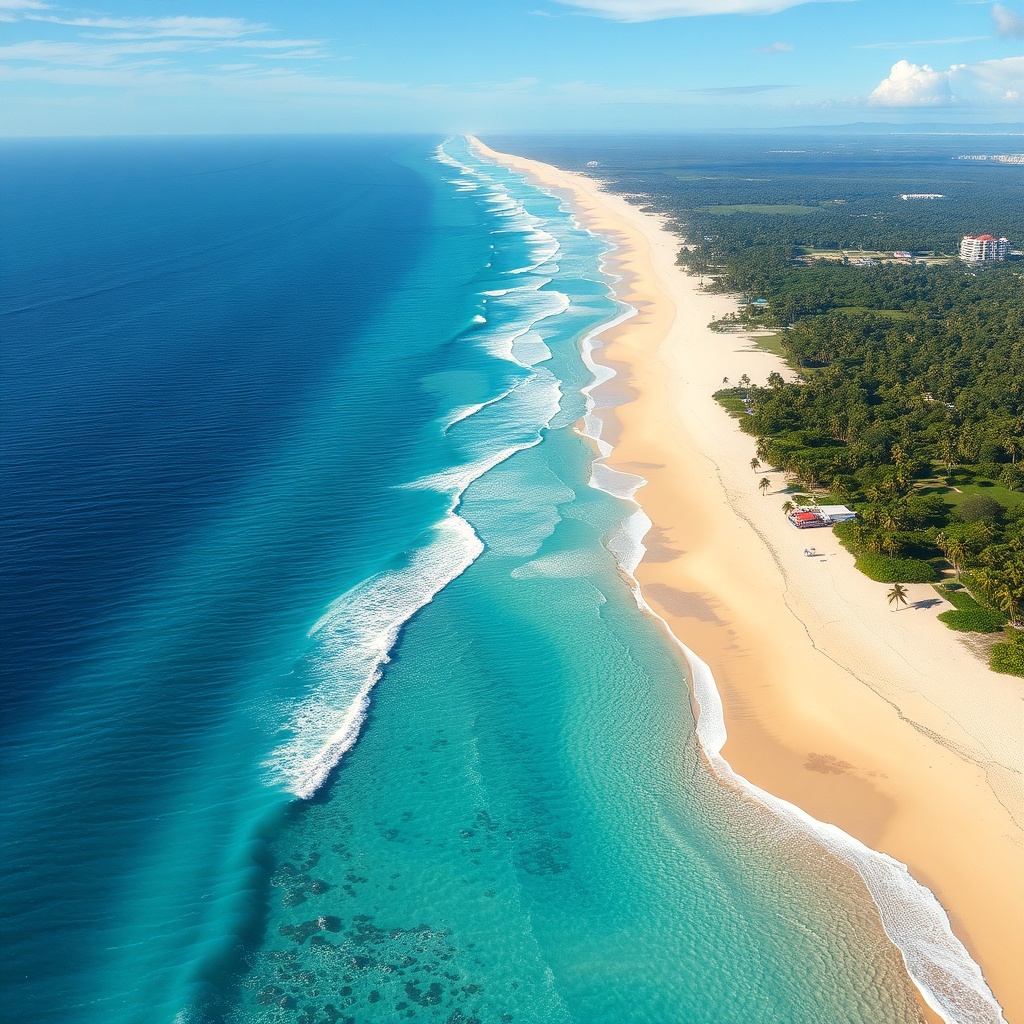
Gulf sand is famously fine and light-colored, the result of long-term erosion of quartz and shell fragments. Warmer water temperatures and generally gentle waves create ideal conditions for swimming, paddleboarding, and beachcombing. The broad coastal wetlands and barrier islands that front the Gulf support diverse ecosystems—shorebirds, sea turtles, dolphins, and a variety of fish species that draw nature lovers and anglers alike.
Top activities and attractions
– Shelling and fossil hunting: Many Gulf beaches are excellent for finding distinctive shells and the occasional fossilized remnant. Early morning and low tide are the best times to search.
– Fishing and eco-charters: From surf fishing to offshore charters, the Gulf provides year-round opportunities for catching redfish, snapper, trout, and more. Local guides can help target seasonal species and practice sustainable methods.
– Water sports: Calm bays and estuaries are perfect for kayaking, paddleboarding, and windsurfing. Protected waterways let beginners build confidence while offering scenic paddling routes.
– Wildlife viewing: Coastal dunes, marshes, and estuaries attract wading birds, raptors, and migratory species. Guided birding tours and conservation centers enhance wildlife-watching experiences.
– Family-friendly beaches: Many Gulf communities offer accessible parks, playgrounds, and gentle surf, making them ideal for families with young children.
Safety and water quality
Water quality varies by location and can be affected by heavy rainfall, runoff, or nearby waterways. Many coastal communities maintain real-time water-quality monitoring and post advisories when bacteria levels rise. Before swimming, check local health department updates or beach websites.
Pay attention to posted flags and lifeguard instructions—rip currents can form even on otherwise calm days, and awareness of local conditions reduces risk.
Conservation and sustainability
Gulf beaches face ongoing environmental pressures like coastal erosion, habitat loss, and the impacts of storms.
Restoration projects—dune rebuilding, native vegetation planting, and living shoreline efforts—help stabilize coasts and protect wildlife habitat. Visitors can support these initiatives by:
– Staying off restored dunes and observing wildlife from a distance
– Using designated walkways and rinse stations to minimize trampling
– Packing out trash and minimizing single-use plastics
– Choosing eco-conscious tour operators and lodging
Responsible tourism tips
– Time visits for low tide to maximize shelling and exposed shorelines, but follow local rules about collecting protected species.
– Respect nesting areas during turtle or shorebird season; many beaches post roped-off zones or signs.
– Support local businesses—seafood restaurants, bait shops, and outfitters—where dollars directly benefit coastal communities and conservation programs.
– Consider travel off the busiest weekends to experience quieter stretches of sand and lower environmental strain.
Why the Gulf remains appealing
The combination of accessible beaches, abundant wildlife, and vibrant coastal culture makes the Gulf a perennial favorite for travelers seeking both relaxation and outdoor adventure. With mindful behavior and support for conservation efforts, visitors can enjoy these shores while helping to preserve them for generations of beachgoers to come.