
 Emma Jantzen
 Ultimate Gulf Seafood Guide: How to Choose, Cook & Source Sustainably
The Gulf remains one of the nation’s richest sources of seafood, prized for its variety, flavor, and regional culinary traditions. From plump Gulf shrimp and briny oysters to firm red snapper and sweet blue crab, seafood from the Gulf offers both everyday staples and special-occasion showstoppers. Understanding how to choose, prepare, and source Gulf seafood helps home cooks and seafood lovers make flavorful, responsible choices.
What makes Gulf seafood special
Gulf waters support diverse habitats—estuaries, marshes, reefs, and the continental shelf—yielding species with distinct textures and tastes.
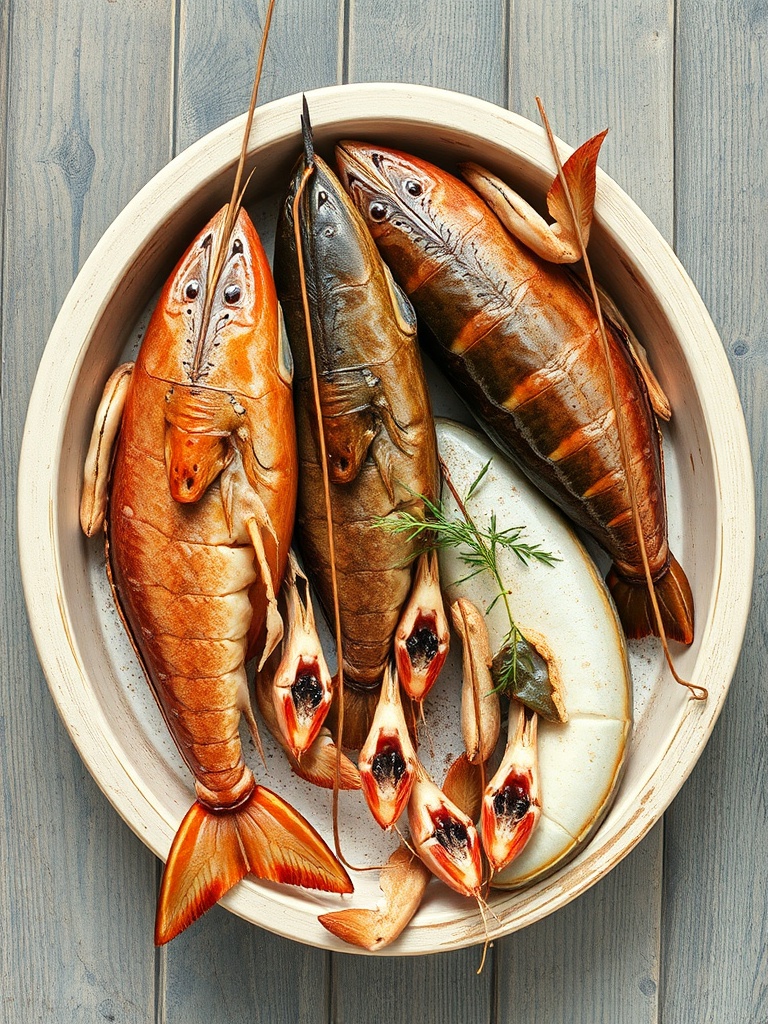
Shrimp are celebrated for their tenderness and sweetness; oysters bring a range of salinities and minerality depending on harvest location; and reef fish such as snapper and grouper provide versatile, meaty fillets that stand up to grilling, frying, and baking.
Choosing fresh seafood
– Fish: Look for clear eyes, bright red gills, and firm flesh that springs back to the touch.
A clean, mildly briny scent is normal; strong fishy odors indicate age.
– Shrimp and crab: Shells should be intact and firm. For shrimp, a translucent appearance and firm texture are signs of freshness.
– Shellfish (oysters, clams, mussels): Shells must be closed or close when tapped.
Discard those with cracked shells or a persistent off-odor.
Sustainable and responsible sourcing
Sustainability is a top concern for Gulf fisheries.
Ask your fishmonger about the harvest method and location—line-caught or trap-caught options typically have lower bycatch than some net methods. Look for trusted certification logos, buy direct from trusted dockside sellers, or choose products labeled with clear harvest information. Supporting well-managed local fisheries protects the resource and helps coastal communities thrive.
Safety considerations
Harmful algal blooms, commonly called red tide, can temporarily affect shellfish safety and water quality. Before harvesting or buying shellfish directly, check local seafood advisories and health department updates. Individuals with compromised immune systems, liver disease, or other health risks should avoid raw shellfish, since raw oysters can carry bacteria that are killed by proper cooking. When cooking fish, ensure it reaches a firm, opaque texture; shellfish should be cooked until shells open (discard unopened shells).
Cooking and serving ideas
Gulf seafood adapts well to a range of preparations:
– Blackened red snapper: Season fillets with a bold spice mix and sear in a hot skillet for a flavorful crust.
– Shrimp boil: Simmer shrimp with corn, potatoes, and sausage for a communal, festive meal.
– Oysters on the half shell: Serve with citrus, hot sauce, or mignonette, and offer grilled or Rockefeller-style preparations for a warm option.
– Crab cakes: Use lump crab meat, light binder, and minimal filler to showcase sweet Gulf crab.
Storage tips
Keep seafood cold from purchase to preparation. Store wrapped and chilled on ice in the refrigerator and use within a short time for best quality. For longer storage, properly freeze portions in airtight packaging to prevent freezer burn.
Enjoying Gulf seafood is about more than flavor—it’s also about stewardship. Choosing fresh, responsibly sourced products and staying aware of food-safety advisories ensures that Gulf seafood remains a delicious, sustainable centerpiece on the table.